Stock Splits Explained
TL;DR
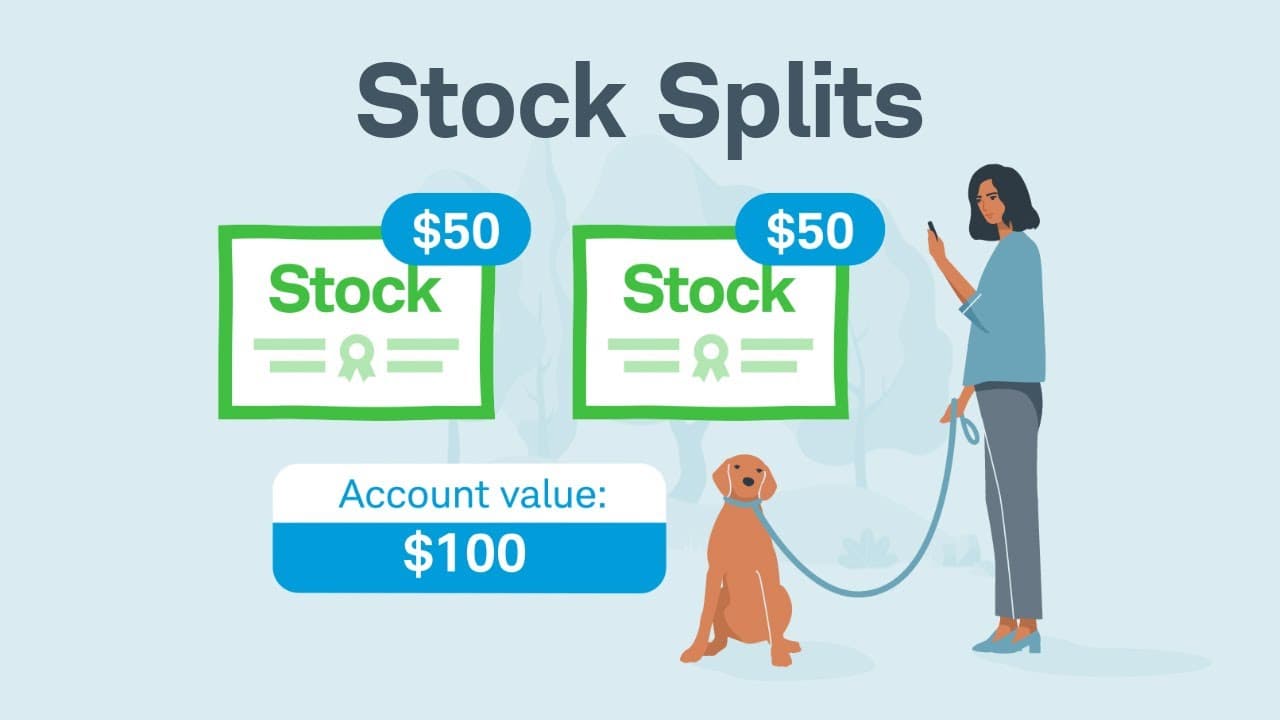
Stock splits can be conventional or reverse, with each type resulting in changes to the number and price of shares. The value of your investment remains the same after a split.
Transcript
stocks go up they go down they go sideways and sometimes they do something you might not expect they split there are two types of stock splits conventional and reverse a conventional stock split occurs when a company divides its existing shares into more shares the number of shares increases but the price of each share decreases so the total value ... Read More
Key Insights
- 💄 Conventional stock splits increase the number of shares and decrease their price, making them more affordable for investors.
- 🛄 Stock splits aim to improve liquidity and attract more investors to the company's stock.
- 🍂 Reverse stock splits decrease the number of shares and increase their price, usually done to meet exchange listing requirements or stabilize falling stock prices.
- 👨🔬 Stock splits do not guarantee an increase in a stock's value; additional research and analysis are necessary.
- 🥹 The value of an investor's holdings remains the same after a stock split.
- 🥺 A reverse stock split does not always lead to positive outcomes; other factors influence a stock's performance.
- ◀️ Companies may choose to enact a reverse stock split to prevent delisting from exchanges.
Install to Summarize YouTube Videos and Get Transcripts
Explore YouTube Video Summarizer or Get YouTube Transcript Extractor
Questions & Answers
Q: What is a conventional stock split?
A conventional stock split occurs when a company divides its existing shares into more shares, increasing the number of shares while reducing the price of each share. The total value of the shares remains the same.
Q: Why do companies choose to split their stock?
Companies often choose to split their stock when the price of shares is high. A lower price makes the stock more accessible to investors and can increase liquidity.
Q: What happens to the value of my investment after a stock split?
The value of your investment remains the same after a stock split. If you owned one share before the split, you would own multiple shares after the split, but the total value of your shares would still be the same.
Q: Do stock splits guarantee an increase in a stock's value?
No, stock splits do not guarantee an increase in a stock's value. Investors should conduct additional research and consider the stock's overall financial health before making investment decisions.
Q: What is a reverse stock split?
A reverse stock split involves a company reducing the number of shares to increase the price of each share. This is often done to meet exchange listing requirements or stabilize a falling stock price.
Q: When might a company choose a reverse stock split?
Companies may choose a reverse stock split when their shares fall below the minimum price required for exchange listing. By increasing the share price, they aim to attract investors and reduce volatility.
Q: Did AIG's reverse stock split in 2009 lead to positive outcomes?
AIG's reverse stock split in 2009 aimed to stabilize its stock price, but it did not prevent the stock from continuing to fall. The split did not guarantee a positive outcome, and investors should consider various factors when evaluating stock performance.
Q: How does a reverse stock split affect investors' holdings?
In a reverse stock split, investors' holdings are consolidated, resulting in owning fewer shares valued at a higher price. The overall value of the investment remains the same.
Summary & Key Takeaways
-
Stock splits can be conventional or reverse, with conventional splits increasing the number of shares and decreasing their price.
-
Conventional stock splits are often done to make shares more affordable for a wider range of investors.
-
Reverse stock splits decrease the number of shares and increase their price, usually to meet exchange listing requirements.
Read in Other Languages (beta)
Share This Summary 📚
Summarize YouTube Videos and Get Video Transcripts with 1-Click
Try YouTube Summary with ChatGPT & Claude or YouTube Transcript Generator
Explore More Summaries from Charles Schwab 📚






Summarize YouTube Videos and Get Video Transcripts with 1-Click
Try YouTube Summary with ChatGPT & Claude or YouTube Transcript Generator