How to Balance Strength and Stamina for Muscle Growth
TL;DR
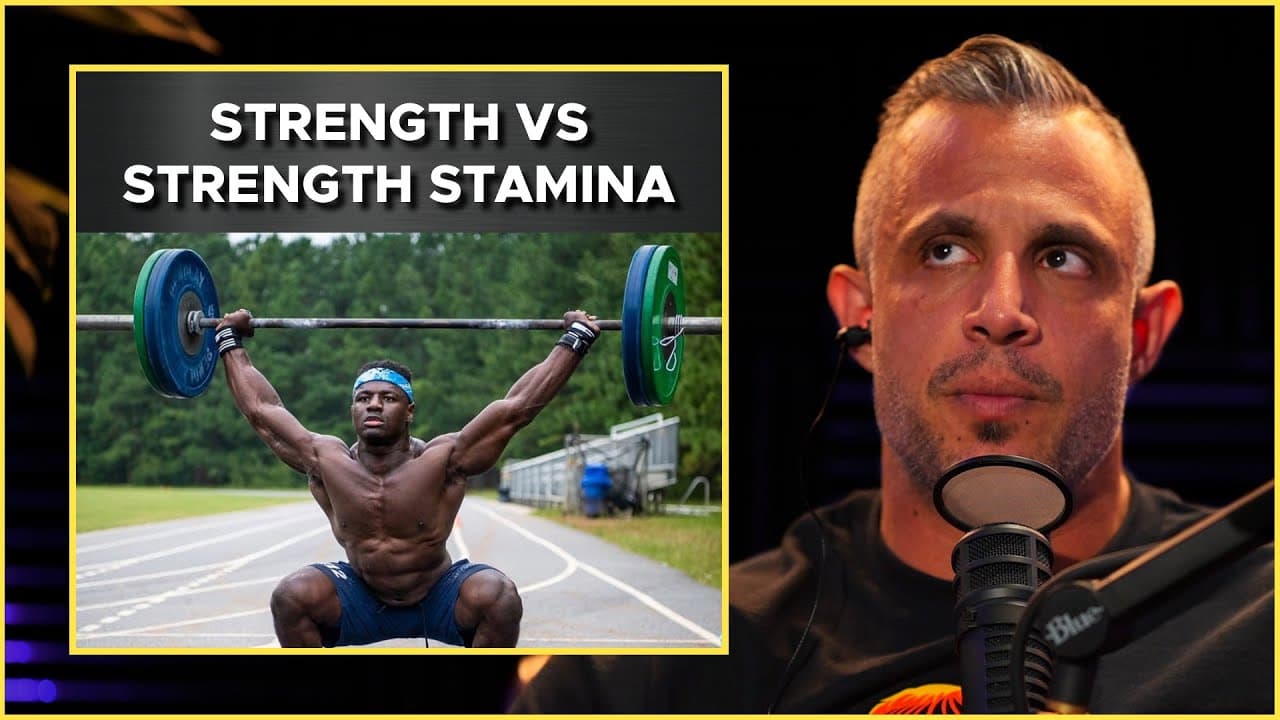
Balancing strength and stamina is crucial for muscle growth. While genetic predispositions may influence your natural strength or stamina, training adaptations can improve both. High-rep training increases volume and muscle hypertrophy, but it can feel challenging. To avoid overtraining, adjust volume and intensity, and gradually incorporate higher reps to maximize gains.
Transcript
foreign strength versus strength stamina which one's more important which one builds bigger muscles watch this our first caller is Tony from Minnesota Tony what's happening man how can we help you hey guys um yeah I'll just jump in jump right into my question here uh so my strength uh read dramatically outweighs my strength stamina um I already kne... Read More
Key Insights
- Balancing strength and stamina is essential for optimal muscle growth.
- Genetic predispositions can influence muscle fiber types, affecting strength and stamina.
- Training adaptations can shift muscle fibers to behave more like fast or slow twitch fibers.
- High-rep training increases total volume, which is sets times weight times reps.
- Overtraining can occur if volume is not adjusted with increased reps.
- Reducing sets when increasing reps can help prevent overtraining.
- Embracing challenging training styles can lead to significant muscle gains.
- Proper nutrition and adequate rest are crucial for supporting muscle growth and recovery.
Install to Summarize YouTube Videos and Get Transcripts
Explore YouTube Video Summarizer or Get YouTube Transcript Extractor
Questions & Answers
Q: How to balance strength and stamina for muscle growth?
Balancing strength and stamina involves incorporating both low-rep and high-rep training into your routine. While low-rep training builds strength, high-rep training increases volume and promotes muscle hypertrophy. Adjusting volume and intensity is crucial to prevent overtraining, and gradually incorporating higher reps can maximize muscle gains.
Q: What are genetic predispositions in muscle training?
Genetic predispositions refer to inherent traits that influence muscle fiber types, affecting strength and stamina. Some individuals may naturally have more fast-twitch fibers, favoring strength, while others have more slow-twitch fibers, favoring stamina. Training adaptations can shift fibers to behave like the other type, enhancing both attributes.
Q: Why is high-rep training important for muscle growth?
High-rep training is important for muscle growth because it increases total volume, calculated as sets times weight times reps. This promotes muscle hypertrophy and endurance. However, it can feel challenging, so adjusting volume and intensity is key to preventing overtraining and achieving optimal results.
Q: How to prevent overtraining with high-rep training?
To prevent overtraining with high-rep training, adjust volume by reducing the number of sets or intensity. Monitor your body's response, ensuring adequate rest and recovery. Gradually incorporate higher reps into your routine, balancing with low-rep strength training for a comprehensive approach to muscle growth.
Q: What is the role of nutrition in muscle growth?
Nutrition plays a crucial role in muscle growth by providing the necessary fuel and nutrients for recovery and hypertrophy. Adequate protein intake supports muscle repair, while carbohydrates provide energy for workouts. A balanced diet with sufficient calories ensures optimal performance and progress in strength and stamina training.
Q: How does training adaptation affect muscle fibers?
Training adaptation can cause muscle fibers to shift their characteristics. Fast-twitch fibers may develop endurance capabilities, while slow-twitch fibers can gain strength traits. This adaptability allows for improvements in both strength and stamina, optimizing muscle growth and performance through varied training stimuli.
Q: Why is rest important for strength training?
Rest is vital for strength training as it allows muscles to recover and rebuild stronger after workouts. Adequate rest prevents overtraining, reduces injury risk, and supports hormonal balance. Quality sleep and rest days are essential components of a well-rounded training program, ensuring long-term progress and muscle growth.
Q: What are the symptoms of overtraining?
Symptoms of overtraining include persistent fatigue, decreased performance, prolonged muscle soreness, and increased susceptibility to illness. Mood changes, such as irritability and depression, may also occur. It's crucial to recognize these signs early and adjust training intensity or volume, ensuring adequate recovery and preventing further complications.
Summary & Key Takeaways
-
Balancing strength and stamina is key to maximizing muscle growth. Genetic predispositions may influence one's natural strengths, but targeted training can enhance both attributes. High-rep training increases volume, promoting muscle hypertrophy, though it may feel challenging. To prevent overtraining, adjust volume and intensity, and gradually incorporate higher reps for optimal results.
-
Genetic factors can affect muscle fiber types, impacting strength and stamina. However, training adaptations can shift fibers to behave more like fast or slow twitch fibers. High-rep training increases total volume, calculated as sets times weight times reps, but can lead to overtraining if not managed properly.
-
To avoid overtraining with high-rep training, it's important to adjust volume by reducing sets or intensity. Embracing challenging training styles can lead to significant muscle gains. Additionally, proper nutrition and rest are crucial for supporting muscle growth and recovery, ensuring long-term progress.
Read in Other Languages (beta)
Share This Summary 📚
Summarize YouTube Videos and Get Video Transcripts with 1-Click
Try YouTube Summary with ChatGPT & Claude or YouTube Transcript Generator
Explore More Summaries from Mind Pump Show 📚






Summarize YouTube Videos and Get Video Transcripts with 1-Click
Try YouTube Summary with ChatGPT & Claude or YouTube Transcript Generator