How to Handle 9 Common Sales Objections
TL;DR
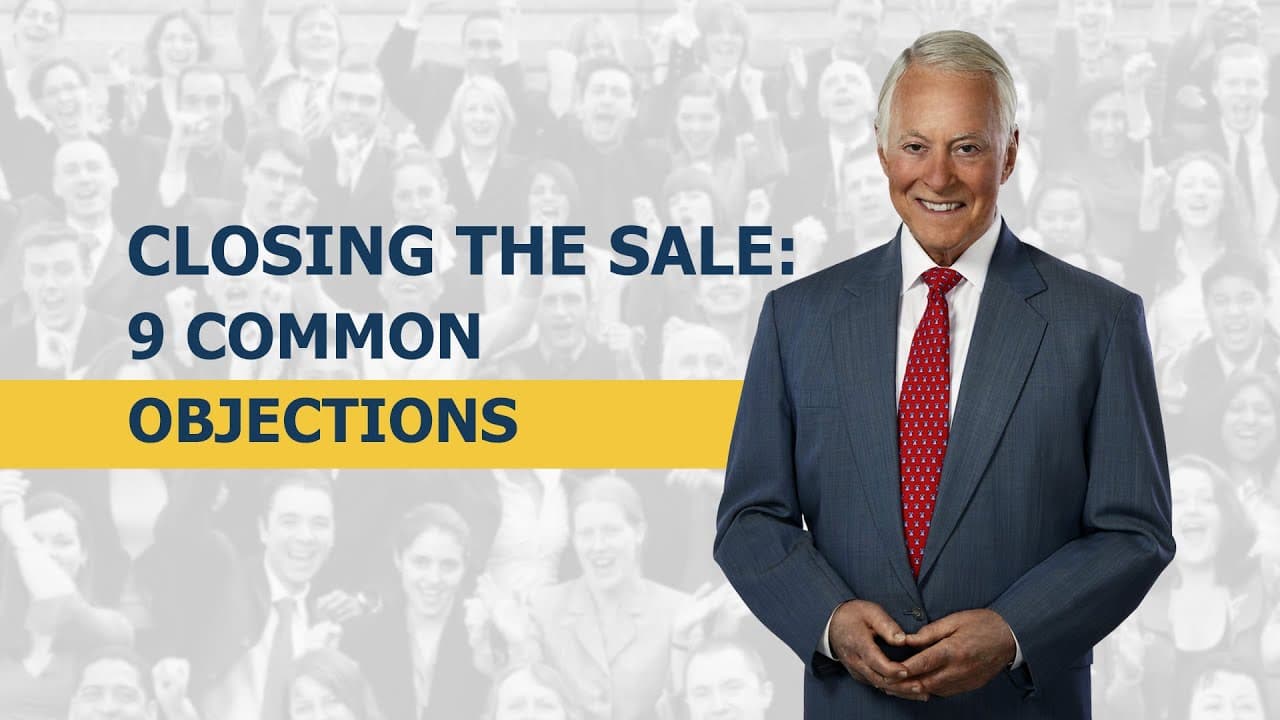
Effectively manage nine types of sales objections to close deals successfully. From unspoken concerns to requests for information, understanding and addressing each objection type can turn resistance into rapport, enabling smoother sales conversations and ultimately leading to more successful outcomes.
Transcript
in selling the major obstacle is often objections that customers give you that stop them from buying and stop you from selling so let me show you nine different objections that you will get on a regular basis and Yunus must learn how to recognize these objections and to deal with them effectively the first type of objection you will get is an unspo... Read More
Key Insights
- 🤗 Unspoken objections can be uncovered by asking open-ended questions and actively listening to customers.
- 🍵 Handling objections like excuses and impulse responses by nodding, agreeing, and redirecting the conversation can help maintain control and build rapport.
- ❓ Malicious objections are often a result of the prospect's personal frustrations, and salespeople should remain calm, positive, and focused on understanding the customer's situation.
- 💁 Requests for information present an opportunity for salespeople to highlight the benefits and results of their product or service.
- 🏛️ Flattery and genuine interest in a prospect's knowledge can help build rapport and increase the chances of a successful sale.
- ❓ Shifting the focus from the salesperson to the customer can overcome subjective objections.
- 😚 Addressing objective objections with clear explanations, evidence, and reassurance can provide the reassurance needed to close the sale.
- 👻 Overcoming general sales resistance allows salespeople to engage with prospects and gather information for a tailored solution.
Install to Summarize YouTube Videos and Get Transcripts
Explore YouTube Video Summarizer or Get YouTube Transcript Extractor
Questions & Answers
Q: How can salespeople address unspoken objections from customers?
Salespeople can address unspoken objections by allowing the prospect to talk more and asking open-ended questions. By listening intently to the answers, salespeople can better understand and address the concerns that may be holding customers back from buying.
Q: How should salespeople handle excuses from prospects?
When faced with excuses, the best approach is for salespeople to nod, smile, and agree. They can then take control of the conversation by asking a question that redirects it and helps address the prospect's underlying concerns.
Q: What is the most effective way to deal with malicious objections?
Salespeople should remember that they are not the target of malicious objections and should remain calm, confident, positive, and polite. By asking more questions about the customer's current situation and future plans, salespeople can take control of the conversation and address any objections.
Q: How can salespeople leverage requests for information during the sales process?
Requests for information about the results or benefits of a product or service provide salespeople with an excellent opportunity to make a sale. By addressing these requests with confidence and providing detailed information, salespeople can position themselves favorably and close the sale.
Q: How should salespeople respond to showoff objections?
When a prospect tries to show off their knowledge about the product or service, salespeople should respond with flattery and genuine interest. Making the prospect feel important by listening attentively can help build a positive relationship and increase the likelihood of a sale.
Q: What should salespeople do when faced with subjective objections?
If a prospect becomes critical of the salesperson, it may indicate that the salesperson has been talking too much about themselves. To overcome subjective objections, salespeople should shift the focus to the customer by asking questions and actively listening to their answers.
Q: How can salespeople address objective objections?
Objective objections are directed at the product or service offering and the claims made by the salesperson. By providing clear answers and evidence, such as explaining how the product works or offering proof of its effectiveness, salespeople can alleviate concerns and close the sale.
Q: How can salespeople overcome general sales resistance?
General sales resistance often occurs at the beginning of a presentation and can be overcome by asking permission to ask questions. By engaging the prospect in a conversation and showing genuine interest in their needs, salespeople can lower resistance and gather information to provide a tailored solution.
Q: How can salespeople handle last-ditch objections?
When a prospect shows clear interest but hesitates to make a buying decision, salespeople should listen respectfully to their objections. They can then assure the prospect of the quality and value of the product or service and highlight the satisfaction of existing customers, overcoming the final objection and proceeding with the sale.
Summary & Key Takeaways
-
Objections in sales can often hinder the selling process, preventing customers from buying and salespeople from selling.
-
Unspoken objections occur when customers have concerns about the offering but don't express them. Salespeople can overcome this by asking open-ended questions and actively listening to the customer.
-
Excuses are instinctive reactions to sales approaches and can be easily handled by nodding, smiling, and redirecting the conversation with a question.
Read in Other Languages (beta)
Share This Summary 📚
Summarize YouTube Videos and Get Video Transcripts with 1-Click
Try YouTube Summary with ChatGPT & Claude or YouTube Transcript Generator
Explore More Summaries from Brian Tracy 📚





Summarize YouTube Videos and Get Video Transcripts with 1-Click
Try YouTube Summary with ChatGPT & Claude or YouTube Transcript Generator