Creating CINEMATIC MOVEMENT - Part 2
TL;DR
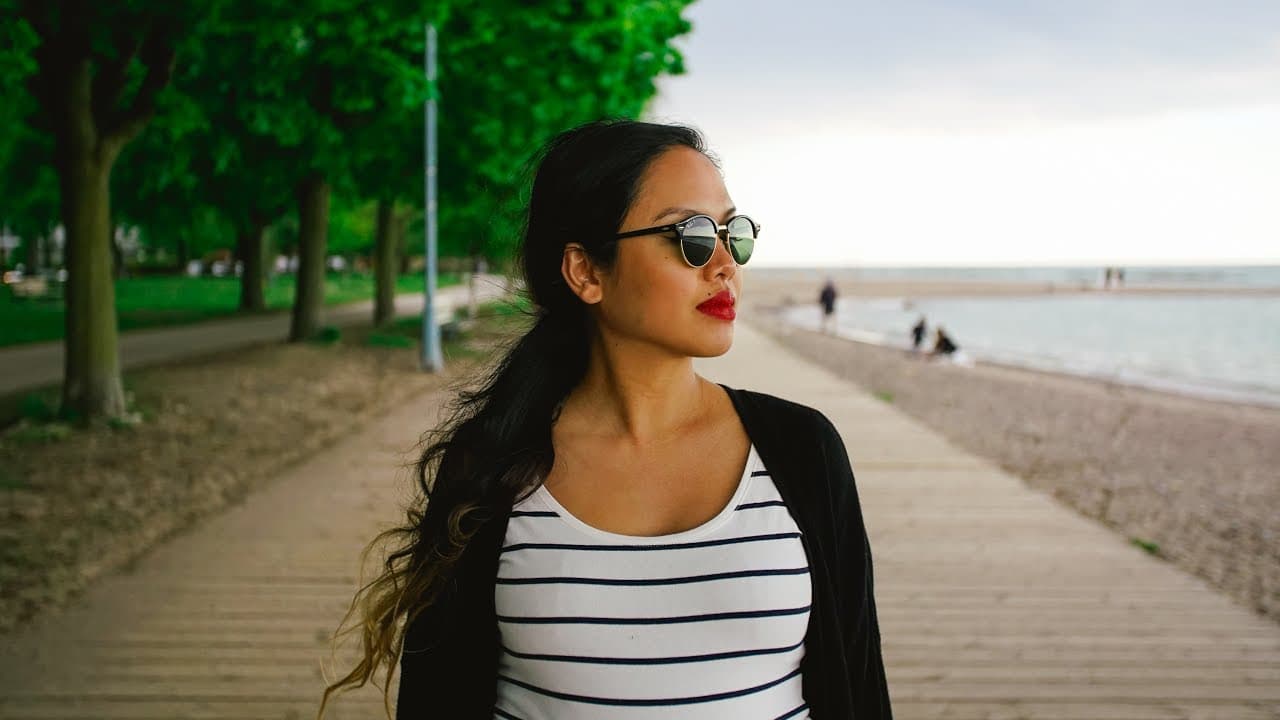
Learn various cinematic movement techniques for epic travel films using affordable tools like a glide cam.
Transcript
- Hey guys! Welcome to Travel Feels. Today, we're gonna take a look at cinematic movement, part two. (upbeat music) Cinematic movement is a huge part of making epic cinematic travel films, and there's just so many different ways of doing it. There are so many different tools you can use and each of those tools, you can do different kind of movement... Read More
Key Insights
- 👋 Understanding different support tools like gimbals and glide cams helps in selecting the best option for cinematic movement.
- 🪜 Follow shots add depth to storytelling by showcasing character interaction with the environment.
- 🥺 Leading shots require more acting skills from talent and should be practiced for a natural and engaging look.
- 🫵 Dolly in/out shots are effective in drawing viewers into a scene and building suspense in films.
- 🪜 Circling around the talent adds dynamic movement and visual interest in cinematic shots.
- 🥺 Creativity and experimentation with movement techniques can lead to unique and engaging film sequences.
- 👾 Choosing the right movement type based on the film's pace and tone is crucial for effective storytelling.
Install to Summarize YouTube Videos and Get Transcripts
Explore YouTube Video Summarizer or Get YouTube Transcript Extractor
Questions & Answers
Q: What are some essential tools for achieving cinematic movement in travel films?
Tools like glide cams, gimbals, and monopods are commonly used to create cinematic movement in travel films. Each tool offers unique movement capabilities that enhance storytelling.
Q: How can filmmakers ensure smooth and focused movement shots when using a glide cam or steady cam?
Filmmakers should manually frame their shots, maintain focus, and keep a consistent distance from the subject while moving smoothly to avoid unnecessary shake or bounce in their footage.
Q: What is the significance of follow and leading shots in cinematic movement?
Follow and leading shots are essential for showing characters interacting with their environment, adding depth to the story by revealing movement progression and guiding viewer focus in a cinematic manner.
Q: Why is practicing cinematic movement techniques crucial for filmmakers?
Practicing cinematic movement techniques is essential for filmmakers to achieve smooth, natural-looking shots that enhance storytelling, create visual interest, and elevate the overall quality of their films.
Summary & Key Takeaways
-
Cinematic movement is crucial for captivating travel films, with tools like glide cams, gimbals, and monopods enabling different movements.
-
Different types of movement shots include follow, leading, parallel follow, dolly in/out, and circling around the talent.
-
Practice and creativity are key to mastering cinematic movement techniques for impactful storytelling in films.
Read in Other Languages (beta)
Share This Summary 📚
Summarize YouTube Videos and Get Video Transcripts with 1-Click
Try YouTube Summary with ChatGPT & Claude or YouTube Transcript Generator
Explore More Summaries from Matti Haapoja 📚
Summarize YouTube Videos and Get Video Transcripts with 1-Click
Try YouTube Summary with ChatGPT & Claude or YouTube Transcript Generator