What Are Graph Neural Networks?
TL;DR
Graph Neural Networks (GNNs) are a type of neural network designed to process data structured as graphs, which consist of nodes and edges. They are particularly useful in situations where relationships between data points are complex and interconnected. GNNs are applied in various fields, including physics, recommendation systems, and wireless communication networks.
Transcript
this is a short course un gran mural networks win butler to take it picos gráfica networks por james ford escort para aplica voltio very large números problemas físicos de nando de colo machine london grandes planetas andina la voluntad grados albert veissid models de la piel y medicinal en información proceso en problemas dices perhaps than the fr... Read More
Key Insights
- Graph Neural Networks (GNNs) are designed to handle data structured as graphs, consisting of nodes and edges.
- GNNs are useful in fields like physics, recommendation systems, and communication networks due to their ability to model complex relationships.
- The key to GNNs is their ability to process graph-structured data, which is often more complex than traditional data formats.
- GNNs can be used to predict outcomes by analyzing the relationships and connections within a graph.
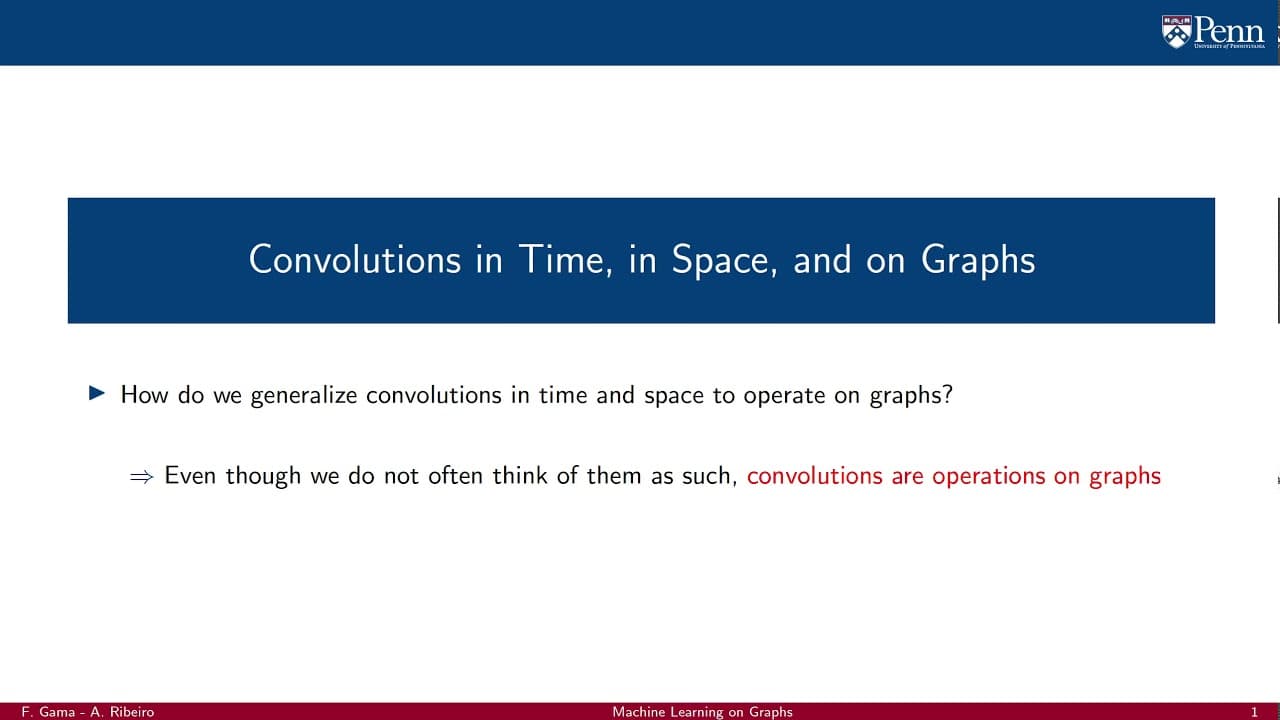
- The architecture of GNNs involves layers of convolutions, similar to those in convolutional neural networks, but adapted for graphs.
- GNNs can process both time and space signals by representing them as graphs, allowing for more flexible data analysis.
- The main challenge in GNNs is constructing a network that can effectively learn from graph-structured data.
- GNNs extend the reach of neural networks to data types that are not traditionally suited for neural network architectures.
Install to Summarize YouTube Videos and Get Transcripts
Explore YouTube Video Summarizer or Get YouTube Transcript Extractor
Questions & Answers
Q: What are Graph Neural Networks used for?
Graph Neural Networks (GNNs) are used for processing data structured as graphs, which consist of nodes and edges. They are particularly useful in fields like physics, recommendation systems, and wireless communication networks, where relationships between data points are complex and interconnected. GNNs help model these relationships to predict outcomes and analyze data effectively.
Q: How do Graph Neural Networks work?
Graph Neural Networks work by processing graph-structured data through layers of convolutions, similar to convolutional neural networks but adapted for graphs. They analyze the connections and relationships between nodes and edges within the graph, allowing them to model complex data structures and make predictions based on the interconnected data points.
Q: What are the advantages of using Graph Neural Networks?
The advantages of using Graph Neural Networks include their ability to handle complex, interconnected data structures that traditional neural networks struggle with. They can process both time and space signals by representing them as graphs, allowing for more flexible data analysis. This makes them valuable in fields like physics, recommendation systems, and communication networks.
Q: What challenges do Graph Neural Networks face?
Graph Neural Networks face challenges in constructing networks that can effectively learn from graph-structured data. The complexity of the data relationships and the need for specialized architectures to process graphs can make designing GNNs difficult. However, their ability to model intricate relationships and predict outcomes makes them worth the effort in many applications.
Q: How do Graph Neural Networks differ from traditional neural networks?
Graph Neural Networks differ from traditional neural networks in that they are specifically designed to process graph-structured data, which includes nodes and edges. While traditional neural networks are often used for image or sequence data, GNNs are better suited for data with complex, interconnected relationships, enabling them to model and analyze such data effectively.
Q: In what fields are Graph Neural Networks particularly useful?
Graph Neural Networks are particularly useful in fields such as physics, recommendation systems, and wireless communication networks. These fields often involve complex, interconnected data structures that GNNs are well-suited to model. By analyzing the relationships between data points within a graph, GNNs can provide valuable insights and predictions in these domains.
Q: What is the architecture of Graph Neural Networks?
The architecture of Graph Neural Networks involves layers of convolutions adapted for graph-structured data. This is similar to convolutional neural networks but specifically designed to handle nodes and edges within a graph. This architecture allows GNNs to process complex relationships and connections within the data, making them effective for various applications.
Q: Why are Graph Neural Networks important in modern data analysis?
Graph Neural Networks are important in modern data analysis because they extend the reach of neural networks to data types that are not traditionally suited for neural network architectures. By effectively modeling complex, interconnected data structures, GNNs enable more accurate predictions and analyses, making them essential tools in today's data-driven world.
Summary & Key Takeaways
-
Graph Neural Networks (GNNs) are specialized neural networks designed to process graph-structured data, which includes nodes and edges. They are particularly effective in fields such as physics and recommendation systems, where data relationships are complex and interconnected. GNNs use convolutional layers adapted for graphs, allowing them to model intricate relationships within the data.
-
The architecture of GNNs involves adapting convolutional neural network principles to graphs, enabling the processing of both time and space signals. This flexibility allows GNNs to handle data types that traditional neural networks struggle with, making them valuable tools in various domains.
-
GNNs face challenges in constructing networks that effectively learn from graph-structured data. However, their ability to model complex relationships and predict outcomes by analyzing connections within a graph makes them an essential component of modern data analysis and machine learning applications.
Read in Other Languages (beta)
Share This Summary 📚
Summarize YouTube Videos and Get Video Transcripts with 1-Click
Try YouTube Summary with ChatGPT & Claude or YouTube Transcript Generator
Explore More Summaries from Alelab Alelab 📚
Summarize YouTube Videos and Get Video Transcripts with 1-Click
Try YouTube Summary with ChatGPT & Claude or YouTube Transcript Generator