Is Ladder Control Technology Obsolete?
TL;DR
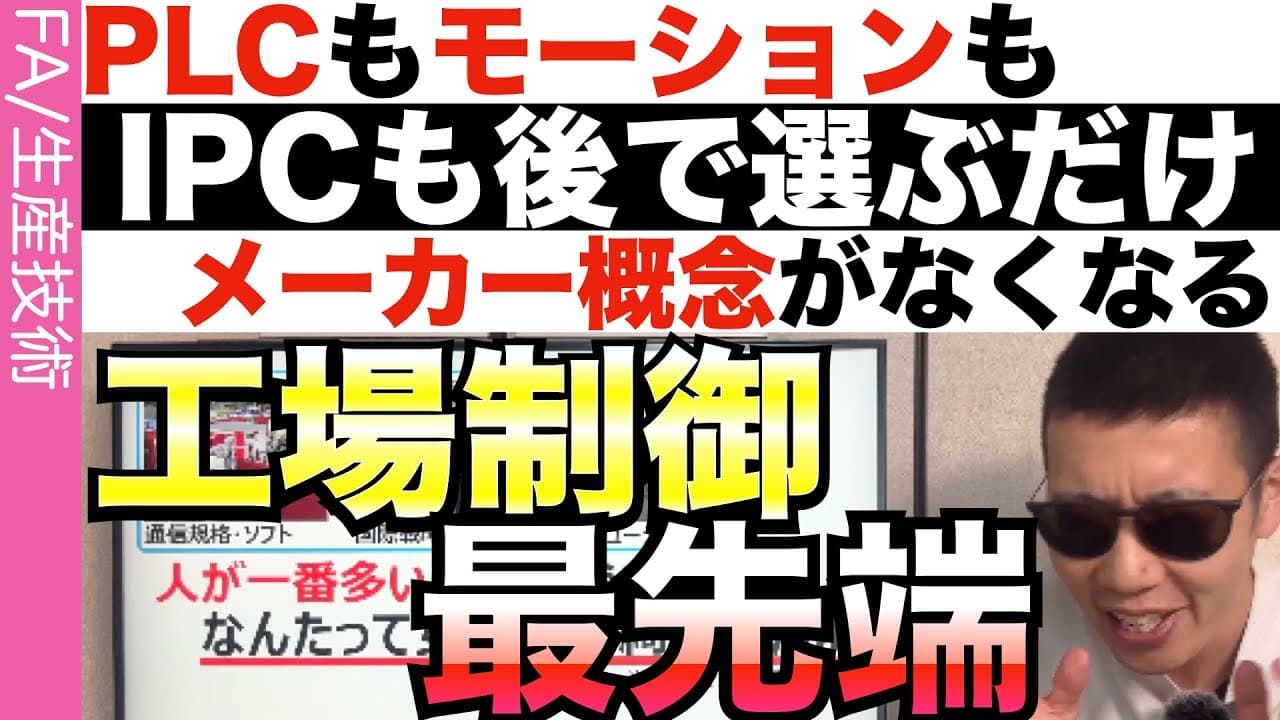
Ladder control technology is becoming outdated as companies like Schneider Electric SE introduce advanced control methods. The focus is shifting towards integrated digital systems and Manufacturing as a Service (MAAS), which streamline operations and reduce costs. This evolution challenges traditional PLC methods and highlights the need for adaptation in the manufacturing industry.
Transcript
Hello. I'm Manufacturing man from Manufacturing man Channel . The topic I will be discussing today is the front line of factory control. This is the subtitle. Shifting control dynamics. Sticking to PLC is outdated. in the video above. I incited the PLC. I'm going to instigate PLC in the same way. At that time, I had both deep and shallow insight in... Read More
Key Insights
- Ladder control, a traditional method in manufacturing, is being replaced by more advanced technologies.
- Schneider Electric SE is pioneering the shift from PLC to integrated digital control systems.
- Manufacturing as a Service (MAAS) represents a new business model focused on selling the manufacturing process itself.
- Schneider Electric SE's EcoStruxure Automation Expert simplifies control construction with drag-and-drop functionality.
- The adoption of digital twins allows for comprehensive factory control and real-time data integration.
- IEC61499 compliance enables unified control across different manufacturers' devices.
- The future of manufacturing control lies in software-based solutions rather than hardware-specific PLCs.
- Japanese manufacturers risk falling behind if they do not adapt to these new control technologies.
Install to Summarize YouTube Videos and Get Transcripts
Explore YouTube Video Summarizer or Get YouTube Transcript Extractor
Questions & Answers
Q: How is ladder control technology becoming obsolete?
Ladder control technology is becoming obsolete as companies like Schneider Electric SE introduce advanced digital control systems that streamline manufacturing processes. These systems integrate various control elements into a unified digital platform, reducing the need for traditional PLCs and offering more efficient, flexible, and cost-effective solutions. This shift is part of a broader trend towards Manufacturing as a Service, where the focus is on selling the manufacturing process itself.
Q: What is Manufacturing as a Service (MAAS)?
Manufacturing as a Service (MAAS) is a business model where the manufacturing process itself is sold as a service rather than just the end products. It involves offering comprehensive solutions that integrate control systems, reduce operational costs, and enhance efficiency. Companies like Schneider Electric SE are leading this shift by providing digital platforms that facilitate seamless manufacturing operations, emphasizing service delivery over traditional product sales.
Q: What role does Schneider Electric SE play in the evolution of manufacturing control?
Schneider Electric SE is at the forefront of evolving manufacturing control by introducing integrated digital systems that replace traditional PLC-based methods. Their EcoStruxure Automation Expert software simplifies control construction with a user-friendly interface, enabling efficient, unified control across various devices. This approach supports the transition to Manufacturing as a Service, emphasizing streamlined operations and long-term profitability.
Q: How does EcoStruxure Automation Expert simplify control construction?
EcoStruxure Automation Expert simplifies control construction by providing a drag-and-drop interface that allows users to build control systems without extensive technical expertise. This software integrates various control elements into a cohesive digital platform, reducing the complexity and time required for setup. It supports standards like IEC61499, ensuring compatibility across different manufacturers' devices and facilitating efficient, unified control.
Q: What is the significance of IEC61499 compliance in manufacturing?
IEC61499 compliance is significant in manufacturing as it enables unified control across devices from different manufacturers. By adhering to this standard, control systems can be constructed without being tied to specific hardware, allowing for greater flexibility and interoperability. This compliance supports the shift towards software-based control solutions, enhancing efficiency and reducing the reliance on traditional PLCs.
Q: How do digital twins contribute to factory control?
Digital twins contribute to factory control by providing a virtual representation of physical systems, allowing for real-time monitoring and data integration. This technology enables comprehensive control over manufacturing processes, facilitating predictive maintenance, optimizing operations, and enhancing decision-making. By using digital twins, manufacturers can simulate and adjust processes in a digital environment, improving efficiency and reducing downtime.
Q: Why must Japanese manufacturers adapt to new control technologies?
Japanese manufacturers must adapt to new control technologies to remain competitive in the global market. As companies like Schneider Electric SE introduce advanced digital systems and Manufacturing as a Service models, traditional methods like ladder control become less viable. Adapting to these innovations ensures efficiency, cost-effectiveness, and alignment with international standards, preventing isolation and maintaining industry relevance.
Q: What future trends are expected in manufacturing control?
Future trends in manufacturing control include a shift towards software-based solutions, integrated digital systems, and Manufacturing as a Service models. These trends emphasize streamlined operations, reduced reliance on traditional PLCs, and enhanced efficiency through real-time data integration and digital twins. Compliance with standards like IEC61499 will facilitate interoperability across devices, driving innovation and competitiveness in the manufacturing sector.
Summary & Key Takeaways
-
Ladder control technology is being phased out as companies like Schneider Electric SE push for integrated digital systems. This shift is part of a broader trend towards Manufacturing as a Service (MAAS), which emphasizes selling the manufacturing process itself rather than just products.
-
Schneider Electric SE is leading the charge with its EcoStruxure Automation Expert, a software that allows for easy control construction through a drag-and-drop interface. This approach reduces the need for traditional PLCs and simplifies the manufacturing process.
-
The adoption of standards like IEC61499 and digital twins is facilitating comprehensive factory control and real-time data integration. These advancements pose a challenge to traditional Japanese manufacturers, who must adapt to remain competitive in the global market.
Read in Other Languages (beta)
Share This Summary 📚
Summarize YouTube Videos and Get Video Transcripts with 1-Click
Try YouTube Summary with ChatGPT & Claude or YouTube Transcript Generator
Explore More Summaries from ものづくり太郎チャンネル 📚
Summarize YouTube Videos and Get Video Transcripts with 1-Click
Try YouTube Summary with ChatGPT & Claude or YouTube Transcript Generator