Why LGBTQ rights hinge on the definition of "sex" | 2020 Election
TL;DR
The definition of 'sex' impacts LGBTQ rights in the US.
Transcript
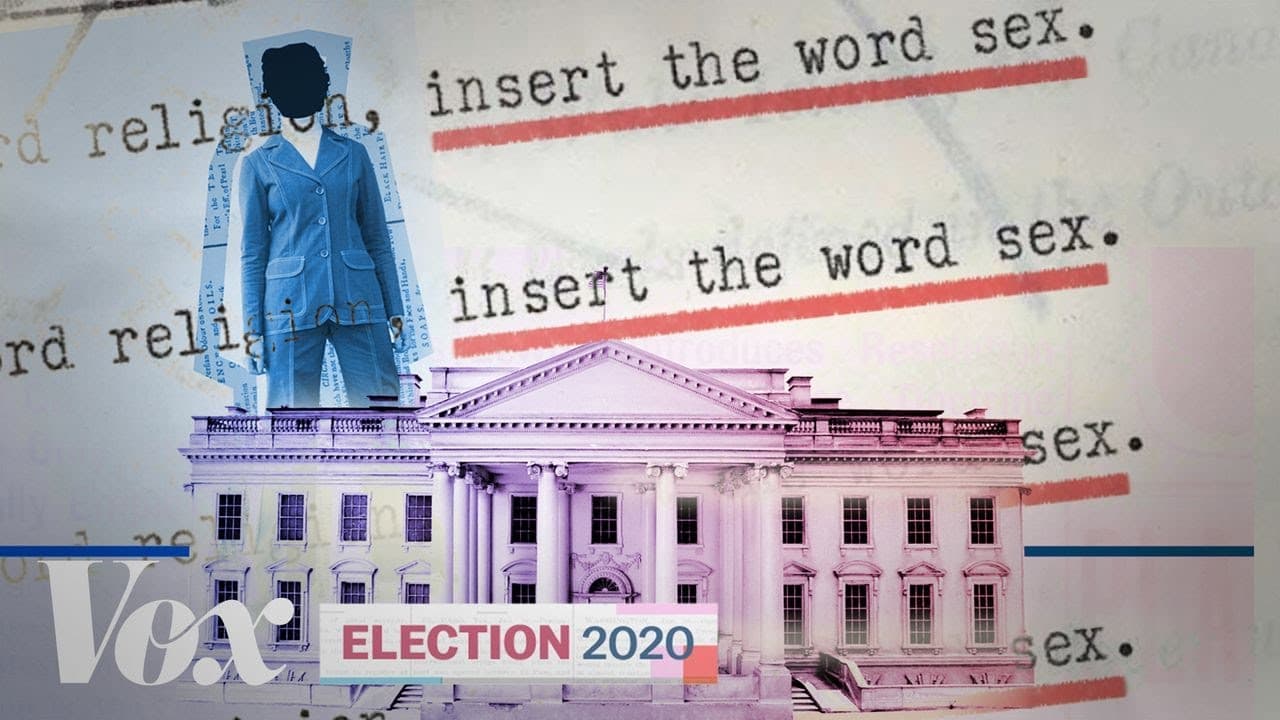
Before the US Civil Rights Act passed in 1964, it had been written to protect Americans from discrimination on the basis of race, religion, color or national origin. The bill was controversial, not all politicians wanted to see it go through. One of those people was a Representative from Virginia named Howard W. Smith, who proposed an amendment, to... Read More
Key Insights
- The Civil Rights Act of 1964 initially aimed to prevent discrimination based on race, religion, color, and national origin, with 'sex' added later as a political maneuver.
- The inclusion of 'sex' in the Civil Rights Act led to decades-long legal debates on whether it also protects LGBTQ individuals.
- Key legal battles, such as Pricewaterhouse v. Hopkins, expanded the definition of sex discrimination to include gender stereotyping and later, gender identity.
- The Obama administration's executive orders reflected court interpretations that sex discrimination includes gender identity and sexual orientation.
- The Trump administration reversed these protections, defining 'sex' as biological sex at birth, contradicting evolving court interpretations.
- The 2020 Supreme Court ruling in Bostock v. Clayton County affirmed that sex discrimination protections include sexual orientation and gender identity.
- Federal protections for LGBTQ individuals remain inconsistent, with 22 states lacking laws against discrimination based on sexual orientation or gender identity.
- The outcome of the 2020 election was crucial for LGBTQ rights, with Biden promising to reverse Trump's policies and align with court rulings.
Install to Summarize YouTube Videos and Get Transcripts
Explore YouTube Video Summarizer or Get YouTube Transcript Extractor
Questions & Answers
Q: What was the original purpose of the Civil Rights Act of 1964?
The Civil Rights Act of 1964 was designed to prevent discrimination based on race, religion, color, and national origin. It aimed to provide equal opportunities and eliminate segregation in public places, schools, and employment. The inclusion of 'sex' as a protected category was later added, which expanded the scope of the Act.
Q: How did the inclusion of 'sex' in the Civil Rights Act affect LGBTQ rights?
The inclusion of 'sex' in the Civil Rights Act led to legal challenges and debates over whether it also protects LGBTQ individuals. Over time, court rulings expanded the interpretation of sex discrimination to include gender identity and sexual orientation, providing a legal basis for LGBTQ rights under federal law.
Q: What was the significance of the Pricewaterhouse v. Hopkins case?
The Pricewaterhouse v. Hopkins case was significant because it expanded the definition of sex discrimination to include gender stereotyping. The Supreme Court ruled that discrimination based on gender stereotypes, such as expecting women to dress or behave in a certain way, constitutes sex discrimination under Title VII of the Civil Rights Act.
Q: How did the Trump administration's policies impact LGBTQ protections?
The Trump administration's policies reversed previous executive orders that interpreted sex discrimination to include gender identity and sexual orientation. By defining 'sex' as biological sex at birth, these policies contradicted evolving court interpretations and reduced federal protections for LGBTQ individuals, creating legal uncertainties.
Q: What was the outcome of the Bostock v. Clayton County case?
The Bostock v. Clayton County case resulted in a landmark Supreme Court ruling that affirmed that sex discrimination protections under the Civil Rights Act extend to sexual orientation and gender identity. This decision marked a significant victory for LGBTQ rights, ensuring federal legal protections against discrimination in employment.
Q: Why is the 2020 election important for LGBTQ rights?
The 2020 election was crucial for LGBTQ rights because it determined the federal administration's stance on interpreting sex discrimination. With Biden's election, there was a promise to reverse Trump's policies and align federal protections with court rulings, ensuring comprehensive protections for LGBTQ individuals across the United States.
Q: What role did court rulings play in shaping LGBTQ protections?
Court rulings played a critical role in shaping LGBTQ protections by interpreting the Civil Rights Act's sex discrimination clause to include gender identity and sexual orientation. These legal precedents provided a foundation for expanding federal protections, influencing both legislative and executive actions on LGBTQ rights.
Q: How do state laws vary in protecting LGBTQ individuals?
State laws vary significantly in protecting LGBTQ individuals, with only 27 states having non-discrimination laws based on gender identity or sexual orientation. One state offers only sexual orientation protection, while 22 states lack any such protections, leading to inconsistent legal safeguards for LGBTQ individuals across the country.
Summary & Key Takeaways
-
The Civil Rights Act of 1964, initially covering race, religion, color, and national origin, added 'sex' as a protective category. This inclusion sparked a long-standing debate over whether it extends to LGBTQ rights, influenced by legal cases and political administrations.
-
Legal cases like Pricewaterhouse v. Hopkins and Bostock v. Clayton County expanded the understanding of sex discrimination to include gender identity and sexual orientation. These cases have been pivotal in defining protections for LGBTQ individuals under federal law.
-
The Trump administration's rollback of LGBTQ protections contradicted court interpretations, making the 2020 election pivotal for LGBTQ rights. Biden's election promised a reversal of these policies, aligning federal protections with legal precedents.
Read in Other Languages (beta)
Share This Summary 📚
Summarize YouTube Videos and Get Video Transcripts with 1-Click
Try YouTube Summary with ChatGPT & Claude or YouTube Transcript Generator
Explore More Summaries from Vox 📚

Summarize YouTube Videos and Get Video Transcripts with 1-Click
Try YouTube Summary with ChatGPT & Claude or YouTube Transcript Generator