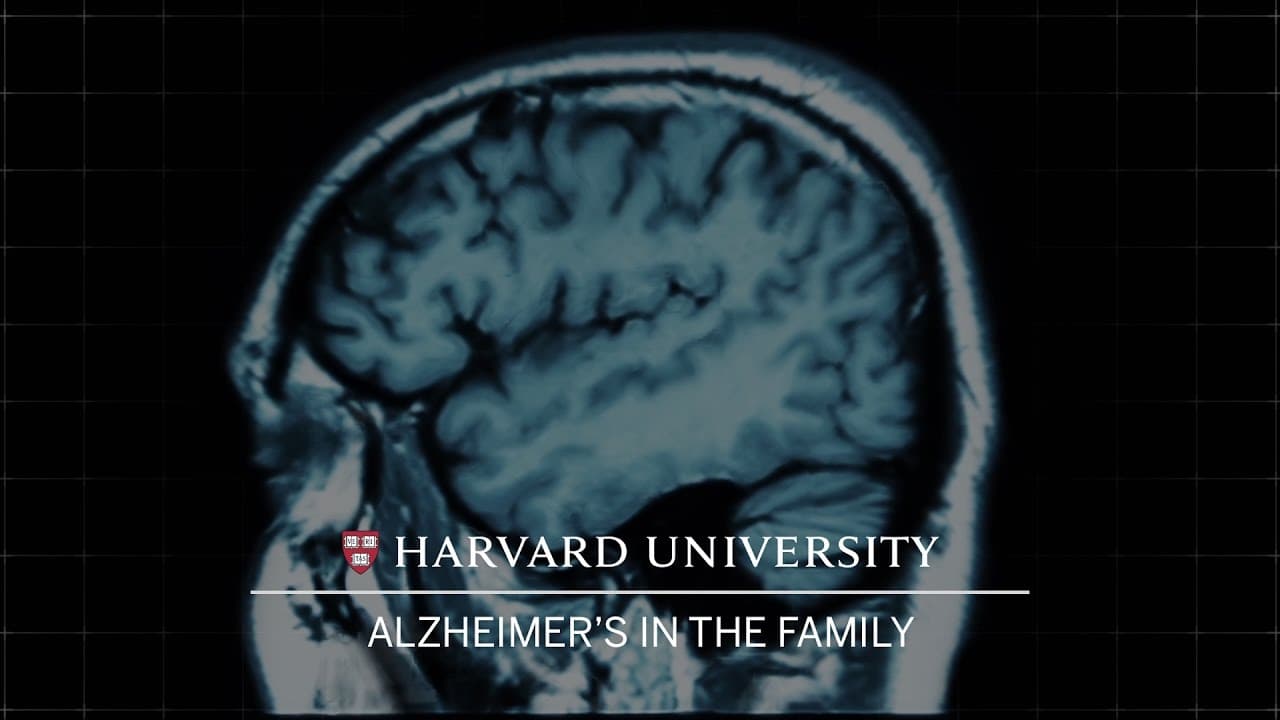
Harvard Professor takes Alzheimer’s fight personally
TL;DR
The A4 study aims to treat Alzheimer's disease before symptoms arise by targeting amyloid plaque buildup in the brain.
Transcript
My grandfather who is kind of the intellectual in the family, a very learned guy, also very active guy, always taking me out ballroom dancing. He started to show changes right around the time I decided to go back to school. No one really thought about Alzheimer's, this is back in the kind of mid 80s, but as I start to learn more about what was goin... Read More
Key Insights
- 🏑 Personal experiences with Alzheimer's disease can inspire individuals to pursue careers in related fields to find solutions.
- ✋ Alzheimer's disease gradually erodes memory, personality, and higher cognitive functions while leaving basic abilities intact.
- 🧠 The A4 study aims to treat Alzheimer's disease before symptoms appear by targeting amyloid plaques in the brain.
- ⚡ The Harvard aging brain study provided evidence linking high amyloid levels to a faster rate of memory decline in individuals without symptoms.
- 🐢 Treating Alzheimer's disease during its silent phase may prevent or slow down cognitive decline associated with the condition.
- 😷 Alzheimer's disease research can benefit from adopting prevention and early intervention strategies used in other medical fields.
- 🏆 The amyloid plaque hypothesis is being tested through trials at relevant stages of the disease, offering potential breakthroughs in treatment.
Install to Summarize YouTube Videos and Get Transcripts
Explore YouTube Video Summarizer or Get YouTube Transcript Extractor
Questions & Answers
Q: How did the speaker's personal experience with Alzheimer's disease influence their career path?
The speaker's grandfather's illness made them realize the importance of understanding Alzheimer's disease and pursuing a career in neurology to find treatments and solutions for the condition.
Q: What are the unique characteristics of Alzheimer's disease?
Alzheimer's disease progressively affects memory, personality, and higher cognitive abilities while sparing basic functions like speech, mobility, and self-care.
Q: What is the goal of the A4 study?
The A4 study aims to treat Alzheimer's disease during its silent phase, before symptoms emerge, by targeting the accumulation of amyloid plaques in the brain, which are associated with the disease.
Q: How does the Harvard aging brain study contribute to Alzheimer's disease research?
The Harvard aging brain study found that individuals with high amyloid levels in their brains, even without symptoms, experienced a faster rate of memory decline. This allows researchers to evaluate the effectiveness of potential drugs on cognitive decline.
Summary & Key Takeaways
-
The speaker's personal experience with their grandfather's Alzheimer's disease sparked their interest in studying the condition.
-
Alzheimer's disease gradually robs individuals of their memory, personality, and higher cognitive functions while leaving basic abilities intact.
-
The A4 study focuses on treating Alzheimer's disease during its silent phase, before symptoms manifest, by targeting amyloid plaque buildup in the brain.
Read in Other Languages (beta)
Share This Summary 📚
Summarize YouTube Videos and Get Video Transcripts with 1-Click
Try YouTube Summary with ChatGPT & Claude or YouTube Transcript Generator
Explore More Summaries from Harvard University 📚






Summarize YouTube Videos and Get Video Transcripts with 1-Click
Try YouTube Summary with ChatGPT & Claude or YouTube Transcript Generator