How Do Stories Impact Social Justice Action?
TL;DR
While stories have the power to mobilize empathy and foster connections, they can also create an illusion of solidarity where audiences feel they have acted simply by listening. It's essential to not only consider personal narratives but also connect them to broader social issues to drive meaningful action. Ultimately, the focus should be on fostering curiosity and skepticism in audiences to bridge the gap between storytelling and social justice.
Transcript
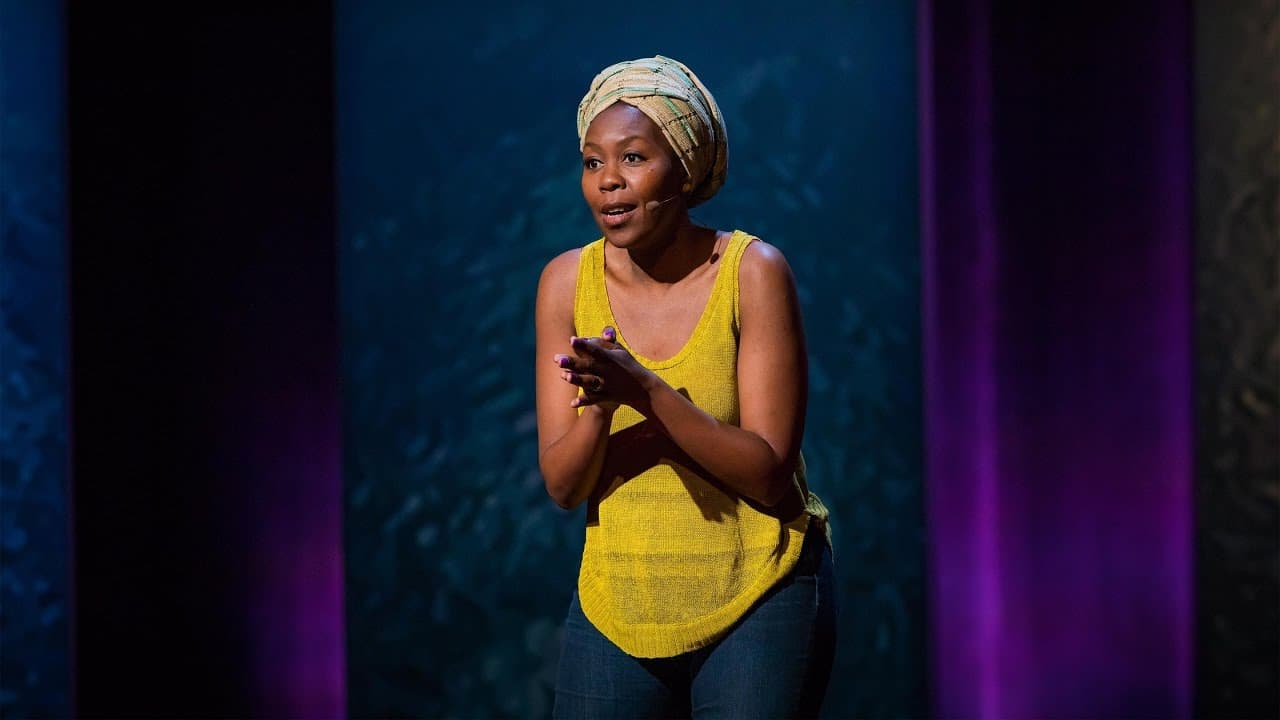
Translator: Joseph Geni Reviewer: Joanna Pietrulewicz So earlier this year, I was informed that I would be doing a TED Talk. So I was excited, then I panicked, then I was excited, then I panicked, and in between the excitement and the panicking, I started to do my research, and my research primarily consisted of Googling how to give a great TED Tal... Read More
Key Insights
- 🔍 There has been a boom in storytelling since Chimamanda Ngozi Adichie's TED Talk on the dangers of a single story, with stories becoming more accessible through the internet and podcasts.
- 🌍 Stories have the power to bridge divides, heal rifts, and make us care about people and issues that we may not have previously cared about.
- 😕 However, storytelling can create an illusion of solidarity, giving us the feeling that we've taken action when we've only listened.
- 😔 We tend to be drawn towards likable protagonists, which means we may ignore stories and perspectives of people we don't like or care about.
- 🌐 Stories often focus on personal narratives and emotions, without connecting them to larger issues of oppression and discrimination.
- 📰 Trust in the media is declining, while trust in storytellers is increasing, but we need a balance of credible facts and powerful storytelling for social justice.
- ⚠️Audiences play a crucial role in making the world a better place by being more curious, skeptical, and asking questions about the social context of stories.
- 💡Audiences should recognize storytelling as intellectual work and support storytellers by contributing to causes they believe in.
- 📱Audiences can also make a difference by stepping away from screens and taking action in the real world to create the future they dream of.
Install to Summarize YouTube Videos and Get Transcripts
Explore YouTube Video Summarizer or Get YouTube Transcript Extractor
Questions & Answers
Q: What led the speaker to research how to give a great TED Talk?
The speaker was informed that she would be doing a TED Talk, which led her to research how to give a great TED Talk.
Q: Who did the speaker Google during her research?
The speaker Googled Chimamanda Ngozi Adichie during her research.
Q: What topic did the speaker want to talk about in her own TED Talk?
The speaker wanted to talk about her own observations about storytelling.
Q: According to the speaker, what are the dangers of storytelling when it comes to social justice?
The speaker believes that stories, even though they are important and can create empathy, can often get in the way of action towards social justice. They can create an illusion of solidarity, make us only care about likable protagonists, and prevent us from looking at the bigger picture.
Summary & Key Takeaways
-
Stories are everywhere and can be powerful tools for social change, but they have limitations in promoting social justice.
-
Stories can create an illusion of solidarity, making people feel like they've taken action when they've only listened.
-
The personal narratives in stories often overshadow the larger political context and societal issues, and people's trust in media is decreasing while trust in storytellers is increasing.
Read in Other Languages (beta)
Share This Summary 📚
Summarize YouTube Videos and Get Video Transcripts with 1-Click
Try YouTube Summary with ChatGPT & Claude or YouTube Transcript Generator
Explore More Summaries from TED 📚




Summarize YouTube Videos and Get Video Transcripts with 1-Click
Try YouTube Summary with ChatGPT & Claude or YouTube Transcript Generator