Why the US photographed its own WWII concentration camps
TL;DR
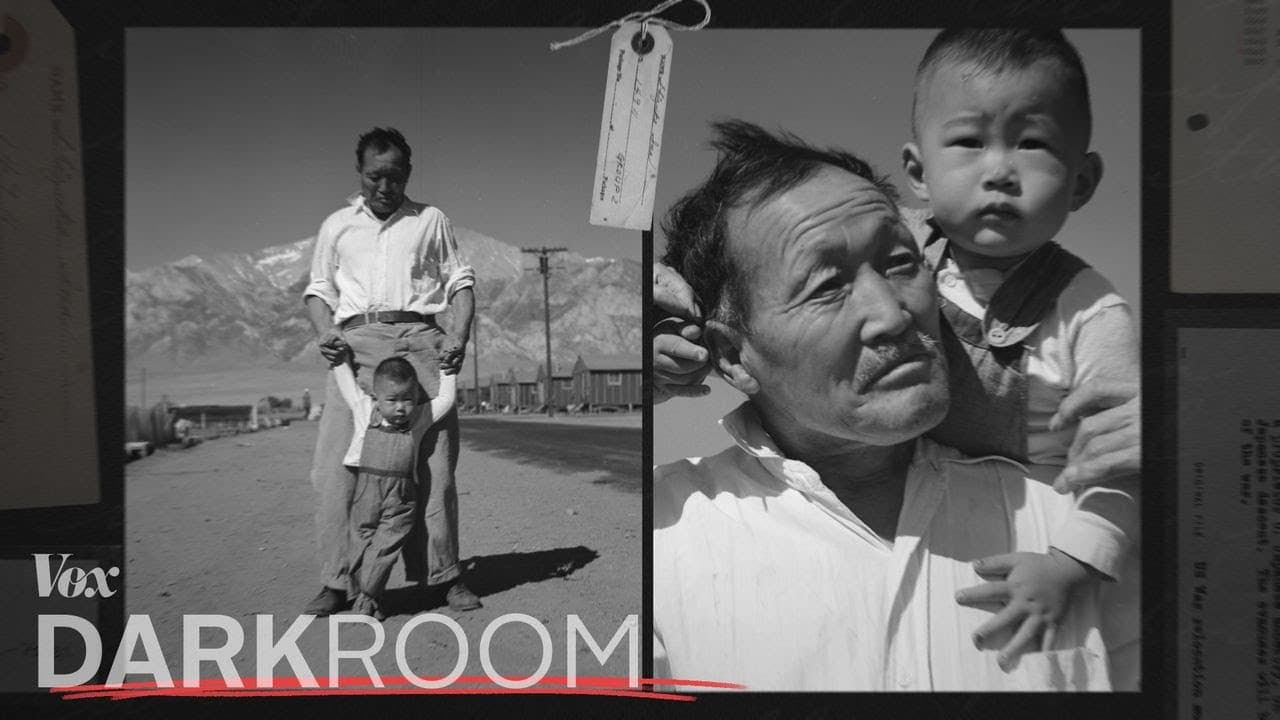
Dorothea Lange's photos of Japanese American incarceration were hidden for decades.
Transcript
SATSUKI INA: This is a photo of my mother, Shizuko Ina. She was called to report to this center in San Francisco Japantown. So, she's standing in line waiting to get her family number on a card. By which they would be identified for the rest of the time that they were incarcerated. She's pregnant with my older brother in that photo. My name is Sats... Read More
Key Insights
- Dorothea Lange was commissioned by the US government to photograph the removal of Japanese Americans during WWII, capturing the human impact of Executive Order 9066.
- Lange's photos depicted the dignity and distress of Japanese Americans, but many were impounded by the government for being too candid.
- The US government sought to control the narrative of Japanese American removal by hiring photographers and creating propaganda materials.
- Executive Order 9066 led to the forced removal and incarceration of 120,000 Japanese Americans, two-thirds of whom were US citizens by birth.
- The 'fifth column' threat was a fabricated justification for the removal of Japanese Americans, despite no evidence of sabotage or espionage.
- Lange's impounded photos were rediscovered in the 1970s, sparking a movement for redress and reparations for Japanese Americans.
- The Civil Liberties Act of 1988 provided reparations to survivors, acknowledging the injustice of the wartime incarceration.
- Lange's work highlighted the complexity of human relationships amidst oppression, capturing both resilience and vulnerability.
Install to Summarize YouTube Videos and Get Transcripts
Explore YouTube Video Summarizer or Get YouTube Transcript Extractor
Questions & Answers
Q: What was the significance of Dorothea Lange's photographs during WWII?
Dorothea Lange's photographs were significant because they captured the human impact of the forced removal and incarceration of Japanese Americans during WWII. Her images depicted the dignity and distress of the individuals affected, providing a candid view that contrasted with the government's desired narrative. Although many of her photos were impounded, they later played a crucial role in the movement for redress and reparations.
Q: Why were Dorothea Lange's photos impounded by the US government?
Dorothea Lange's photos were impounded by the US government because they depicted the harsh realities and human suffering of Japanese Americans during their forced removal and incarceration. The government sought to control the narrative, presenting the process as orderly and necessary. Lange's candid images contradicted this narrative, showing the distress and dignity of those affected, which the government deemed too sensitive for public release.
Q: What was Executive Order 9066 and its impact on Japanese Americans?
Executive Order 9066 was issued by President Franklin D. Roosevelt in 1942, authorizing the forced removal of individuals deemed a threat from strategic military areas. This order led to the incarceration of 120,000 Japanese Americans, two-thirds of whom were US citizens. They were placed in concentration camps, losing their homes, jobs, and civil liberties. The order was justified by a fabricated 'fifth column' threat, despite no evidence of espionage or sabotage.
Q: How did the US government attempt to control the narrative of Japanese American removal?
The US government attempted to control the narrative of Japanese American removal by creating the War Relocation Authority (WRA), which produced propaganda materials, including films, pamphlets, and photographs. Photographers like Dorothea Lange were hired to document the process, but their candid images were often impounded if they depicted the harsh realities of the situation. The government aimed to present the removal as orderly and necessary, despite the human suffering involved.
Q: What role did Dorothea Lange's photos play in the redress movement for Japanese Americans?
Dorothea Lange's photos played a crucial role in the redress movement for Japanese Americans by providing visual evidence of the injustices they faced during WWII. Rediscovered in the 1970s, her images helped galvanize efforts for reparations by highlighting the human impact of Executive Order 9066. The movement ultimately led to the Civil Liberties Act of 1988, which acknowledged the wrongful incarceration and provided compensation to survivors.
Q: What was the outcome of the Civil Liberties Act of 1988?
The Civil Liberties Act of 1988 was a landmark legislation that acknowledged the injustices faced by Japanese Americans during WWII. It provided reparations to survivors of the concentration camps, offering a formal apology and financial compensation. The act was a result of decades of advocacy and highlighted the importance of acknowledging and rectifying historical wrongs to uphold civil liberties and justice.
Q: How did the concept of a 'fifth column' influence public opinion and policy during WWII?
The concept of a 'fifth column' was used to stoke fear and justify the removal of Japanese Americans during WWII. Although there was no evidence of espionage or sabotage, the idea of a secret group loyal to the enemy created public paranoia. Politicians and newspapers leveraged this fear to support Executive Order 9066, leading to the incarceration of 120,000 Japanese Americans in concentration camps.
Q: What is the significance of the rediscovery of Lange's photos in the 1970s?
The rediscovery of Lange's photos in the 1970s was significant because it brought to light the suppressed history of Japanese American incarceration during WWII. Her images provided a powerful visual narrative that contradicted the government's portrayal of the events. The photos became instrumental in raising awareness and supporting the redress movement, ultimately contributing to the passage of the Civil Liberties Act of 1988.
Summary & Key Takeaways
-
Dorothea Lange's photographs documented the forced removal of Japanese Americans during WWII, capturing their dignity and distress. Many of her candid images were impounded by the government, as they conflicted with the desired narrative of an orderly removal.
-
Executive Order 9066 led to the incarceration of 120,000 Japanese Americans, justified by a fabricated 'fifth column' threat. Despite their US citizenship, these individuals faced severe civil rights violations and were sent to concentration camps.
-
Lange's photos were rediscovered in the 1970s, fueling a movement for reparations. The Civil Liberties Act of 1988 provided compensation to survivors, acknowledging the injustice of their wartime treatment.
Read in Other Languages (beta)
Share This Summary 📚
Summarize YouTube Videos and Get Video Transcripts with 1-Click
Try YouTube Summary with ChatGPT & Claude or YouTube Transcript Generator
Explore More Summaries from Vox 📚


Summarize YouTube Videos and Get Video Transcripts with 1-Click
Try YouTube Summary with ChatGPT & Claude or YouTube Transcript Generator