Does the Ocean Have Memory? Exploring Oceanic Insights
TL;DR
The ocean may possess forms of memory through its ecosystems and organisms, challenging traditional human-centric notions of memory. By examining oceanic elements like microbial life and chemical gradients, we can understand how the ocean stores and processes information. This interdisciplinary exploration encourages us to rethink our relationship with marine environments and the potential for oceanic memory.
Transcript
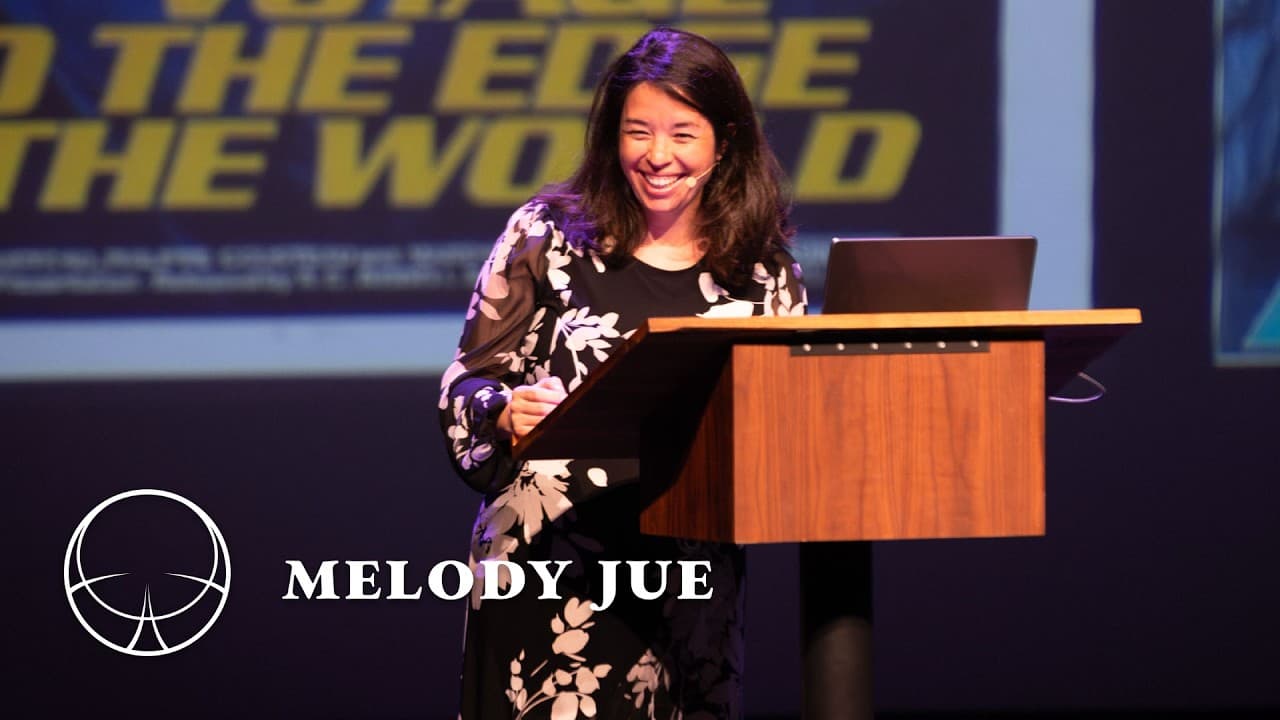
To remember, after all, is not simply to leave the past in the past, but to carry some sense of the past forward into the future. >> [music] >> Thank you, um, to The Long Now and to Melody for inviting me to be in dialogue with her. The oceans cover almost 70% of our planet, yet we still know less about the ocean depths than we do about the surface... Read More
Key Insights
- The ocean covers nearly 70% of Earth's surface but is less understood than Mars.
- Ocean memory explores how marine environments store information over time.
- Sea ice acts as a storage facility for microscopic memory agents.
- Microbial life in the ocean can retain genes from ancient atmospheres.
- Corals adapt to heat stress, demonstrating ecological memory.
- Oceanic memory involves anticipation and recall, not just past events.
- Milieu-specific analysis examines how concepts differ underwater.
- Art and literature can help us imagine non-human sensory worlds.
Install to Summarize YouTube Videos and Get Transcripts
Explore YouTube Video Summarizer or Get YouTube Transcript Extractor
Questions & Answers
Q: How does the ocean store memory?
The ocean stores memory through its ecosystems and organisms, which retain information over time. Microbial life, for example, can hold onto genes from ancient atmospheres, while corals demonstrate ecological memory by adapting to past stressors. These processes highlight the ocean's ability to store and process information, challenging traditional human-centric notions of memory.
Q: What is milieu-specific analysis?
Milieu-specific analysis examines how different environments, like underwater settings, shape concepts differently. It considers factors such as pressure, temperature, and buoyancy, which influence how ideas and experiences are formed and understood. This approach encourages interdisciplinary dialogue and helps expand our understanding of memory and cognition in marine environments.
Q: What role does art play in understanding ocean memory?
Art and literature offer valuable insights into ocean memory by enabling us to imagine non-human sensory worlds. Works like 'Solaris' and 'The Hungry Tide' explore oceanic themes, challenging our perceptions and fostering intellectual humility. Engaging with these narratives can deepen our appreciation for the ocean's complexity and its role as a living archive, expanding our understanding beyond human perspectives.
Q: How do corals demonstrate ecological memory?
Corals demonstrate ecological memory by adapting to heat stress and other environmental changes. Research shows that corals exposed to varying pH levels tend to recover better from acidified waters than those without prior stress exposure. This ability to adapt and recall past experiences highlights the concept of ecological memory, where the past influences present and future ecosystem trajectories.
Q: What is the significance of microbial genes in ocean memory?
Microbial genes play a crucial role in ocean memory by retaining information from ancient atmospheres. Some ocean microbes have preserved genes that were useful before the Great Oxygenation Event, highlighting their ability to anticipate and recall environmental changes. This retention of genetic information underscores the ocean's capacity to store and process memory, challenging traditional human-centric notions.
Q: Why is interdisciplinary dialogue important in ocean memory research?
Interdisciplinary dialogue is vital in ocean memory research as it brings together diverse perspectives from the humanities, arts, and sciences. This collaboration fosters a more comprehensive understanding of oceanic memory, encouraging innovative approaches and challenging traditional notions. By integrating multiple disciplines, researchers can explore the complexities of marine environments and their memory processes more effectively.
Q: How does ocean memory challenge traditional notions of memory?
Ocean memory challenges traditional notions by highlighting non-human forms of memory, such as microbial life retaining ancient genes and corals adapting to stress. These processes demonstrate that memory is not solely a human attribute, but can exist in various forms within marine environments. This perspective encourages us to rethink our understanding of memory and its role in ecological and evolutionary processes.
Q: What is the potential impact of ocean acidification on ocean memory?
Ocean acidification poses a threat to ocean memory by affecting the sensory and adaptive capabilities of marine organisms. For example, acidified waters can impair the sense of smell in fish, disrupting their ability to navigate and respond to environmental cues. This chemical change can hinder the ocean's capacity to store and process information, highlighting the need to address carbon emissions and protect marine ecosystems.
Summary & Key Takeaways
-
The ocean's vastness and complexity make it a repository of memory, storing information through its ecosystems and organisms. Concepts like microbial life retaining ancient genes and corals adapting to stress highlight the ocean's unique memory forms. This exploration challenges human-centric memory notions and invites interdisciplinary approaches to understanding marine environments.
-
Milieu-specific analysis encourages examining how underwater environments shape concepts differently. By considering factors like pressure and buoyancy, we can better understand how the ocean influences memory and cognition. This approach fosters interdisciplinary dialogue and expands our understanding of oceanic memory beyond human perspectives.
-
Art and literature offer valuable insights into ocean memory, enabling us to imagine non-human sensory worlds. Works like 'Solaris' and 'The Hungry Tide' explore oceanic themes, challenging our perceptions and fostering intellectual humility. Engaging with these narratives can deepen our appreciation for the ocean's complexity and its role as a living archive.
Read in Other Languages (beta)
Share This Summary 📚
Summarize YouTube Videos and Get Video Transcripts with 1-Click
Try YouTube Summary with ChatGPT & Claude or YouTube Transcript Generator
Explore More Summaries from The Long Now Foundation 📚






Summarize YouTube Videos and Get Video Transcripts with 1-Click
Try YouTube Summary with ChatGPT & Claude or YouTube Transcript Generator