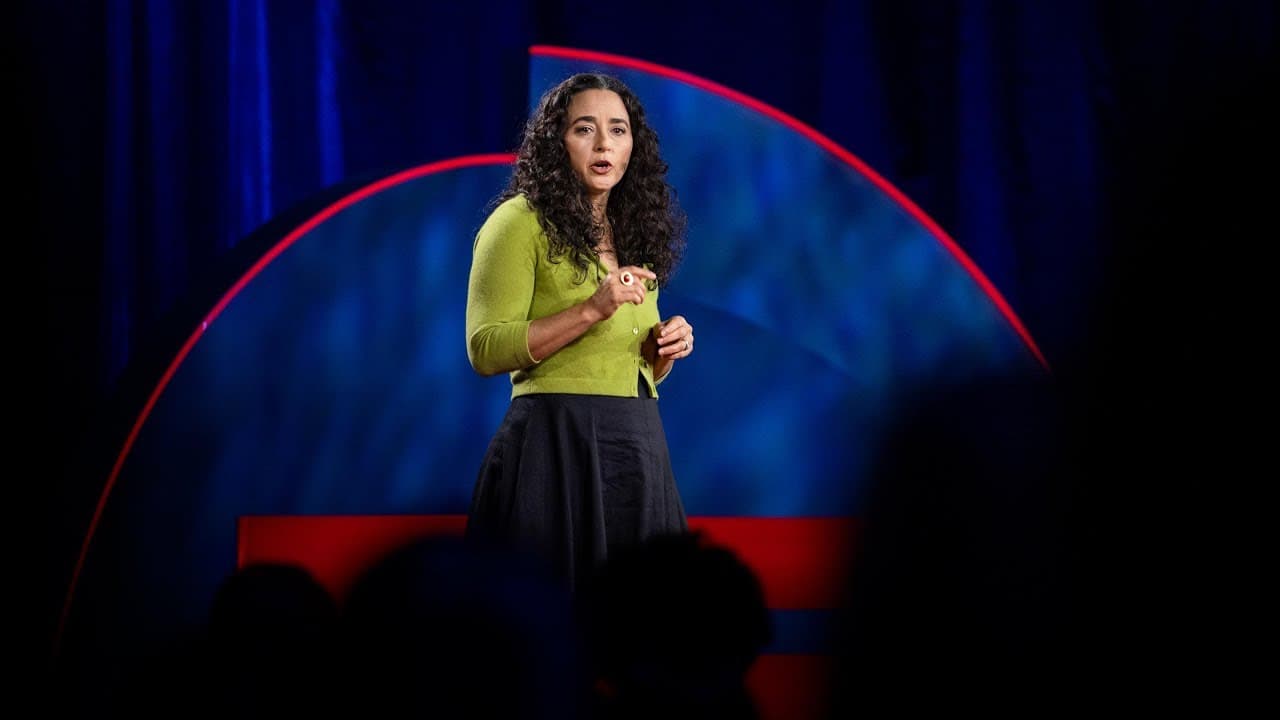
The power of women's anger | Soraya Chemaly
TL;DR
This content explores the societal perception and consequences of women expressing anger, and advocates for the recognition and acceptance of women's anger.
Transcript
Translator: Ellen Maloney So sometimes I get angry, and it took me many years to be able to say just those words. In my work, sometimes my body thrums, I'm so enraged. But no matter how justified my anger has been, throughout my life, I've always been led to understand that my anger is an exaggeration, a misrepresentation, that it will make me rude... Read More
Key Insights
- 💔 Culture teaches us to view anger as an exaggeration, misrepresentation, and unlikable trait, especially for girls and women.
- ♀️ Anger is a human emotion that warns us of indignity, threat, insult, and harm, yet it is gendered and reserved as a moral property of boys and men.
- 🤔 Developing emotional competence for both boys and girls can challenge binary and oppositional socialization patterns and help girls and women be protected from injustice.
- 🚹 Boys are expected to embrace aggression and anger as markers of real manhood, while girls are taught to be deferential, making anger incompatible with femininity.
- 👩🏽👩🏻👩🏿 Different flavors of anger are assigned to women based on their racial or ethnic backgrounds, but expressing anger often results in others getting angry at them.
- 😬 Women fear mockery more than violence in response to their anger, leading to a reluctance to express their anger and defend themselves, particularly for those with marginalized identities.
- ♀️ Women's anger is often downplayed, minimized, and dismissed, leading to negative health effects such as chronic pain, autoimmune disorders, disordered eating, mental distress, and higher mortality rates.
- 🔑 Respecting and validating women's anger is essential to respecting women as a whole and can lead to increased creativity, optimism, intimacy, problem-solving skills, and political efficacy.
Install to Summarize YouTube Videos and Get Transcripts
Explore YouTube Video Summarizer or Get YouTube Transcript Extractor
Questions & Answers
Q: What experiences have led the speaker to understand that her anger is often viewed negatively?
The speaker describes how throughout her life, she has been led to understand that her anger is an exaggeration, a misrepresentation, and that it will make her rude and unlikable. She shares a childhood memory of her mother's anger being viewed as isolating and destructive, reinforcing the belief that anger is better left unvoiced.
Q: Why is anger often seen as a negative emotion for girls and women?
The speaker believes that anger is gendered in many cultures, being reserved as the moral property of boys and men. Girls and women are taught to disdain anger, as it is seen as incompatible with the qualities traditionally associated with femininity, such as deference. This societal expectation creates a disadvantage for girls and women, particularly when they need to defend themselves and their own interests.
Q: How do societal expectations regarding anger affect women's ability to express themselves?
Women often face dire consequences when they express their anger. Instead of violence, they fear mockery. This fear of ridicule leads many women to suppress their anger or express it in socially palatable ways. However, this suppression and unexpressed anger can have negative effects on their physical and mental health. Women may experience higher rates of chronic pain, autoimmune disorders, disordered eating, mental distress, and depression as a result.
Q: How are women's anger and femininity interconnected?
Culturally, there is a preference for the performance of masculinity, which often involves displaying anger and aggression. This preference undermines the rights and needs of children and women, as their anger is often dismissed or penalized. By severing anger from femininity, society severs girls and women from an emotion that can protect them from injustice. Instead, the speaker advocates for developing emotional competence for both boys and girls, allowing them to express and process anger in a healthy way.
Summary & Key Takeaways
-
Anger is often seen as unacceptable and unlikable, especially in girls and women, leading to the suppression of their anger and the penalization of expressing it.
-
The cultural preference of masculinity over femininity perpetuates the belief that anger is a "male" emotion, causing women to be at a disadvantage when they have to defend themselves and their interests.
-
Women are socialized to minimize their anger, resulting in physical and mental health issues, and their anger is only deemed acceptable when it aligns with societal expectations.
Read in Other Languages (beta)
Share This Summary 📚
Summarize YouTube Videos and Get Video Transcripts with 1-Click
Try YouTube Summary with ChatGPT & Claude or YouTube Transcript Generator
Explore More Summaries from TED 📚






Summarize YouTube Videos and Get Video Transcripts with 1-Click
Try YouTube Summary with ChatGPT & Claude or YouTube Transcript Generator