The Munich Agreement | History Lessons
TL;DR
The Munich Agreement inadvertently led to WWII by emboldening Hitler.
Transcript
A big power intimidates its neighbors. A crisis erupts. World leaders meet to head off war. A deal is struck and peace is proclaimed. But rather than deterring aggression, the deal inadvertently promotes it. Within a year the world is at war. I’m Jim Lindsay, and this is History Lessons. Our topic today is the Munich Agreement, which was signed by ... Read More
Key Insights
- The Munich Agreement was signed on September 30, 1938, by Germany, Italy, Britain, and France, aiming to prevent war but ultimately failing.
- Adolf Hitler's aggressive policies aimed at expanding German territory were at the core of the Munich Agreement's context.
- British Prime Minister Neville Chamberlain sought to avoid war, but his concessions to Hitler were seen as a sign of weakness.
- The agreement allowed Germany to annex the Sudetenland without consulting Czechoslovakia, leading to its dismemberment.
- Chamberlain's proclamation of 'peace for our time' was proven wrong when Germany invaded Poland less than a year later.
- The Munich Agreement is often cited as a cautionary tale against appeasement in international diplomacy.
- Winston Churchill criticized the agreement, predicting that it would lead to both dishonor and war.
- The analysis draws parallels to modern geopolitical challenges, such as China's military rise and Iran's nuclear ambitions.
Install to Summarize YouTube Videos and Get Transcripts
Explore YouTube Video Summarizer or Get YouTube Transcript Extractor
Questions & Answers
Q: What was the Munich Agreement?
The Munich Agreement was a diplomatic accord signed on September 30, 1938, by Germany, Italy, Britain, and France. It allowed Germany to annex the Sudetenland, a region of Czechoslovakia populated by ethnic Germans, in an attempt to prevent the outbreak of war. However, it is widely criticized for emboldening Hitler and failing to maintain peace.
Q: Why did Chamberlain agree to Hitler's demands?
British Prime Minister Neville Chamberlain agreed to Hitler's demands primarily to avoid another devastating war in Europe. He was mindful of the destruction caused by World War I and believed that conceding the Sudetenland would satisfy Hitler and maintain peace. Chamberlain also faced pressure from a British public that was largely anti-war and a military that was unprepared for conflict.
Q: What was the reaction to Chamberlain's return from Munich?
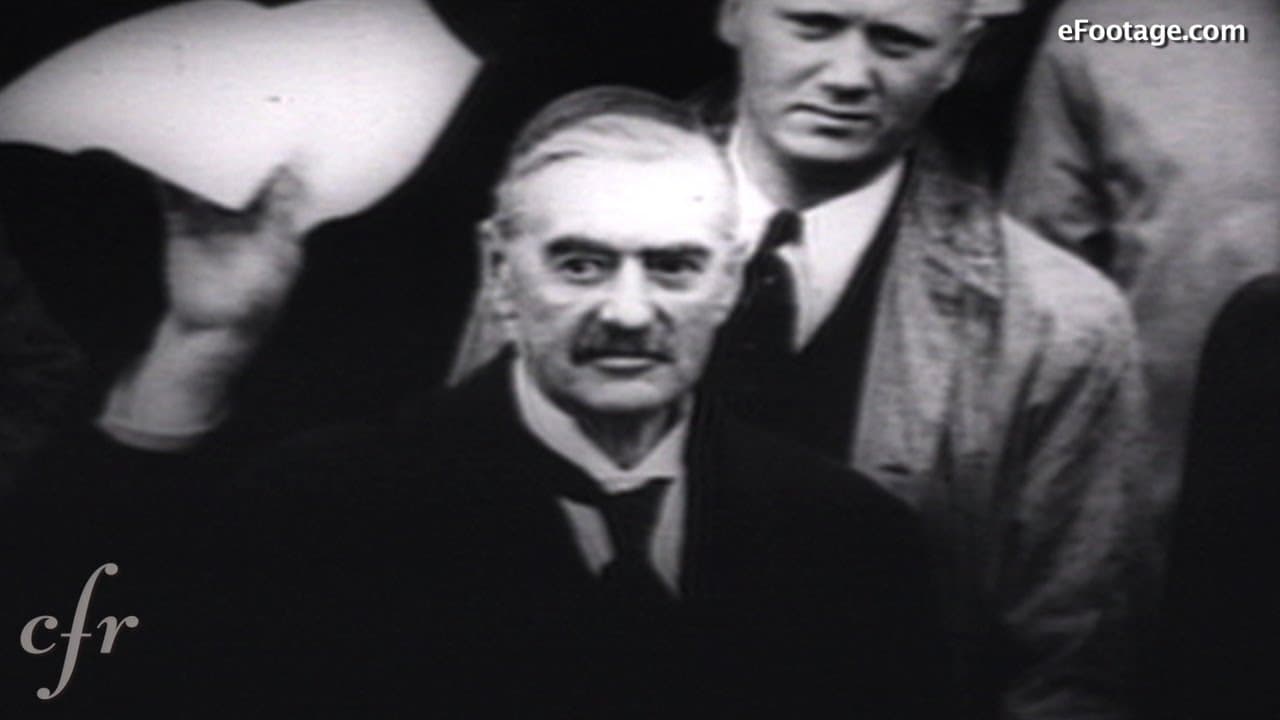
Upon his return from Munich, Chamberlain was met with cheering crowds in London. He famously proclaimed that he had achieved 'peace for our time,' waving a memo signed by Hitler pledging Germany's peaceful intentions. However, not all Britons were convinced, with figures like Winston Churchill criticizing the agreement as a dishonorable choice that would eventually lead to war.
Q: How did the Munich Agreement affect Czechoslovakia?
The Munich Agreement resulted in the dismemberment of Czechoslovakia, as it allowed Germany to annex the Sudetenland without consulting Czechoslovakian leaders. This concession weakened Czechoslovakia's defenses and sovereignty, leaving it vulnerable to further aggression. The country's leaders were not invited to the concluding talks at Munich, highlighting the disregard for their autonomy.
Q: What lesson does the Munich Agreement teach about appeasement?
The Munich Agreement teaches that appeasing an adversary's demands can temporarily defuse a crisis but may ultimately increase the chances of war. By giving into Hitler's territorial demands, Chamberlain inadvertently emboldened him to pursue further expansion, leading to WWII. The agreement is a cautionary tale about the risks of appeasement in international relations.
Q: What were Winston Churchill's views on the Munich Agreement?
Winston Churchill was a vocal critic of the Munich Agreement, arguing that it was a choice between war and dishonor, and by choosing dishonor, war was inevitable. He believed that the agreement demonstrated a lack of will by Britain and France to stop German expansion, which would lead to further aggression and conflict.
Q: How does the video relate the Munich Agreement to modern issues?
The video draws parallels between the Munich Agreement and contemporary geopolitical challenges, such as China's military rise and Iran's nuclear ambitions. It suggests that the United States must carefully weigh the risks of diplomacy and compromise against the potential for signaling weakness and inviting aggression, echoing the lessons learned from the Munich Agreement.
Q: What is the purpose of the History Lessons series?
The History Lessons series, of which this video is a part, aims to explore historical events and examine their meaning in the context of foreign relations today. By analyzing past diplomatic agreements and conflicts, the series seeks to provide insights into current international challenges and the potential consequences of different foreign policy approaches.
Summary & Key Takeaways
-
The Munich Agreement, signed in 1938, aimed to prevent war by allowing Germany to annex the Sudetenland, but it ultimately emboldened Hitler and led to WWII. Chamberlain's decision to appease Hitler without consulting Czechoslovakia is a historical lesson on the dangers of appeasement.
-
Chamberlain's belief that conceding the Sudetenland would satisfy Hitler was a miscalculation, as it only confirmed Hitler's perception of British and French weakness. The Munich Agreement is a historical example of how appeasement can increase the likelihood of war.
-
The video draws parallels between the Munich Agreement and current geopolitical issues, such as China's territorial claims and Iran's nuclear ambitions, urging consideration of the risks of diplomacy versus the risks of standing firm. The lesson from Munich is that appeasement may defuse a crisis but can also embolden adversaries.
Read in Other Languages (beta)
Share This Summary 📚
Summarize YouTube Videos and Get Video Transcripts with 1-Click
Try YouTube Summary with ChatGPT & Claude or YouTube Transcript Generator
Explore More Summaries from Council on Foreign Relations 📚

Summarize YouTube Videos and Get Video Transcripts with 1-Click
Try YouTube Summary with ChatGPT & Claude or YouTube Transcript Generator