Campaign 2012: Arab Revolutions
TL;DR
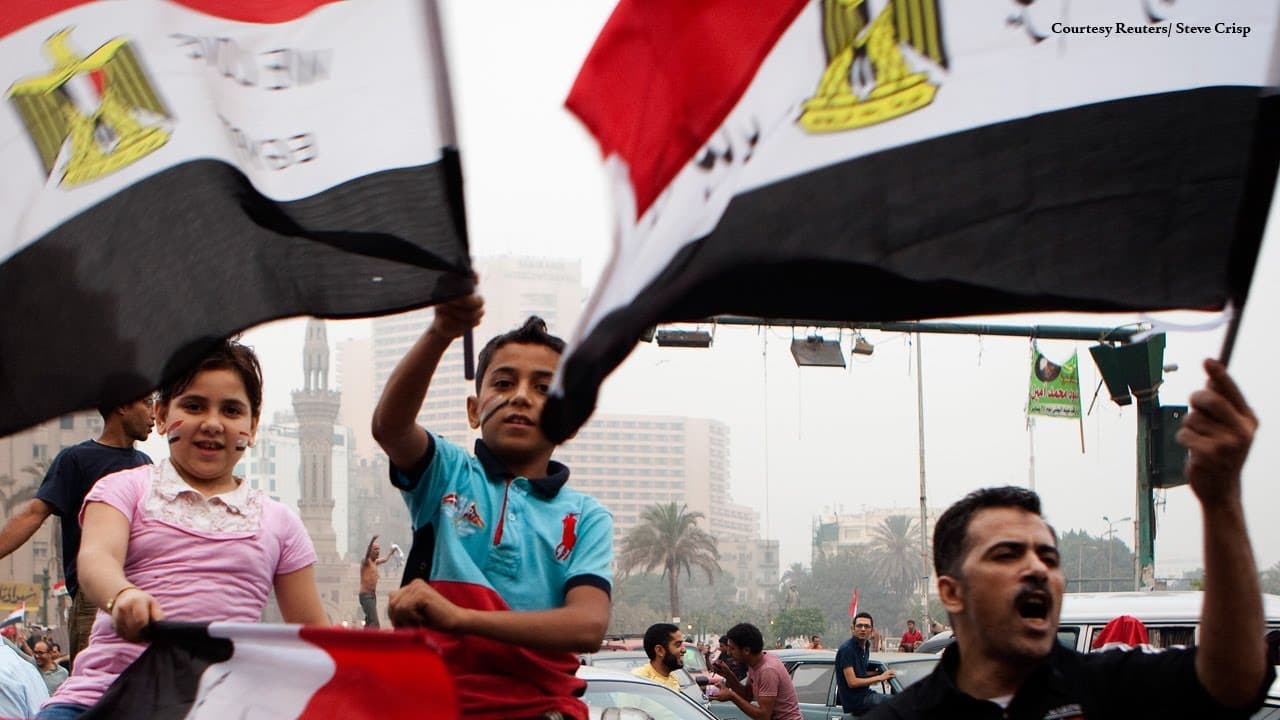
The next U.S. president faces a transformed Middle East landscape.
Transcript
I think it goes without saying that the next president of the United States, whether it's the incumbent President Obama or one of his Republican challengers, is going to face unprecedented change in the Middle East. We have seen critical allies like Hosni Mubarak fall from power and other allies under political pressure. As a result, the regional p... Read More
Key Insights
- The Middle East political landscape has drastically changed with the fall of key allies like Hosni Mubarak, impacting U.S. foreign policy.
- The previous regional order made it easier for the U.S. to pursue its interests, but recent uprisings have disrupted this stability.
- Although no uprisings have occurred in Jordan or Saudi Arabia, regional pressures could influence their policies moving forward.
- Opposition to regimes like Mubarak's was partly due to their strategic alignment with the U.S., affecting future bilateral relationships.
- Islamist groups, such as Al-nahda in Tunisia and the Muslim Brotherhood in Egypt, have gained power, complicating U.S. interests.
- There is potential for continued U.S. relations with Tunisia and Egypt, but differing interests may strain these relationships.
- The U.S. policy of supporting authoritarian stability in the past helped achieve its interests but did not align with American values.
- The next U.S. president must navigate a more democratic yet challenging Middle East, impacting foreign policy strategies.
Install to Summarize YouTube Videos and Get Transcripts
Explore YouTube Video Summarizer or Get YouTube Transcript Extractor
Questions & Answers
Q: What challenges will the next U.S. president face in the Middle East?
The next U.S. president will face a transformed Middle East political landscape due to the fall of key allies like Hosni Mubarak and the rise of Islamist groups. This shift disrupts the previous regional order that facilitated U.S. interests, requiring new strategies to navigate these complex changes.
Q: How has the fall of Hosni Mubarak affected U.S. foreign policy?
The fall of Hosni Mubarak has significantly impacted U.S. foreign policy by disrupting the regional political order that previously made it easier and less expensive for the U.S. to pursue its interests. This change necessitates a reevaluation of strategies and relationships with Middle Eastern countries.
Q: What role did opposition to Mubarak play in the changing Middle East?
Opposition to Mubarak's regime was partly due to its strategic alignment with the United States, which many Egyptians felt was not in their best interest. This opposition has contributed to altering the political calculus of Arab politicians and complicating future U.S. relationships in the region.
Q: How might the rise of Islamist groups affect U.S. interests?
The rise of Islamist groups, such as Al-nahda in Tunisia and the Muslim Brotherhood in Egypt, presents challenges for U.S. interests as these groups may not share Washington's vision for the region. This divergence could strain bilateral relationships and complicate U.S. foreign policy strategies.
Q: Is there potential for continued U.S. relations with Tunisia and Egypt?
Yes, there is potential for continued U.S. relations with Tunisia and Egypt. However, the differing interests of new leadership, particularly Islamist groups, may strain these relationships. The U.S. must navigate these differences to maintain constructive engagement with these countries.
Q: What was the U.S. policy of authoritarian stability?
The U.S. policy of authoritarian stability involved supporting authoritarian regimes in the Middle East to achieve its interests, despite these regimes not aligning with American values. This policy facilitated U.S. objectives but is now challenged by the rise of more democratic movements in the region.
Q: How does the new Middle East landscape align with American values?
The new Middle East landscape, characterized by democratic movements and the fall of authoritarian regimes, aligns more closely with American values of democracy and self-determination. However, this shift presents challenges for U.S. interests, requiring a balance between values and strategic objectives.
Q: What strategies might the next U.S. president employ in the Middle East?
The next U.S. president might employ strategies that focus on diplomatic engagement, supporting democratic transitions, and fostering partnerships with new leadership in the Middle East. These strategies should aim to balance U.S. interests with the evolving political dynamics and values in the region.
Summary & Key Takeaways
-
The political landscape of the Middle East has been significantly altered with the fall of allies like Hosni Mubarak, posing challenges for the next U.S. president. The previous regional order facilitated U.S. interests, but recent changes have disrupted this stability, complicating foreign policy.
-
Despite no uprisings in Jordan or Saudi Arabia, regional pressures could influence their future policies. Opposition to regimes like Mubarak's was partly due to their alignment with the U.S., affecting future bilateral relationships and altering the political calculus of Arab politicians.
-
Islamist groups gaining power in places like Tunisia and Egypt may complicate U.S. interests, although continued relations are possible. The U.S. policy of authoritarian stability, while effective for interests, did not align with American values, necessitating new strategies for the next president.
Read in Other Languages (beta)
Share This Summary 📚
Summarize YouTube Videos and Get Video Transcripts with 1-Click
Try YouTube Summary with ChatGPT & Claude or YouTube Transcript Generator
Explore More Summaries from Council on Foreign Relations 📚
Summarize YouTube Videos and Get Video Transcripts with 1-Click
Try YouTube Summary with ChatGPT & Claude or YouTube Transcript Generator