The battle over for-profit colleges, explained
TL;DR
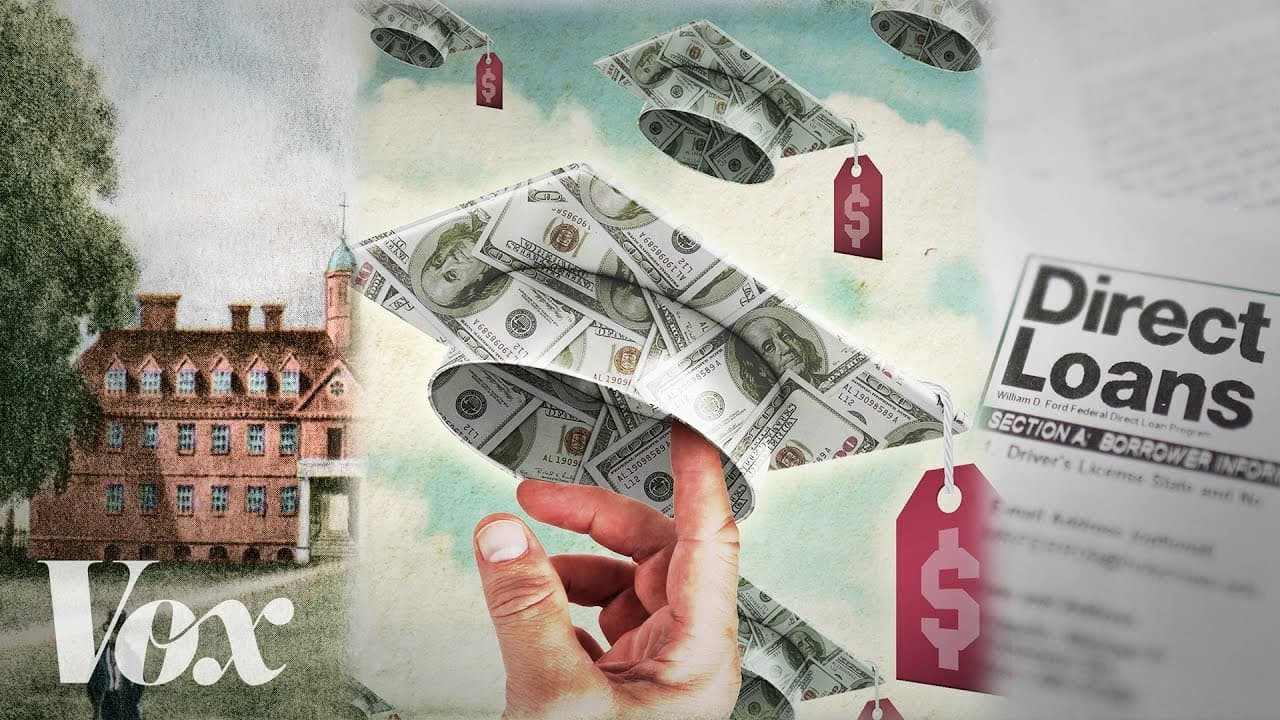
For-profit colleges face scrutiny over predatory practices and financial instability.
Transcript
In recent years, a number of for-profit colleges have closed across the US. “For-profit college closed its remaining 28 campuses affecting 16,000 students.” “Their campuses were closed. And we’re talking all of them for good.” “Some of the nation’s largest for profit colleges are seeing steep declines in enrollment.” The Obama administration led a ... Read More
Key Insights
- For-profit colleges have been under scrutiny for predatory recruiting practices, misleading students about costs and outcomes, and contributing to high levels of student debt.
- The Obama administration implemented regulations to curb the deceptive practices of for-profit institutions, but the future of these regulations is uncertain under different political leadership.
- For-profit colleges primarily rely on tuition and federal student aid, incentivizing aggressive recruitment tactics and high enrollment numbers to maximize profit.
- These institutions often attract non-traditional students, including low-income individuals and veterans, who may not have access to traditional colleges or universities.
- The graduation rates at for-profit colleges are significantly lower compared to public and private non-profit institutions, resulting in many students incurring debt without earning a degree.
- Despite their challenges, for-profit colleges provide accessible education options for students who need flexible schedules or cannot attend traditional colleges.
- Many for-profit colleges have closed due to tighter regulations and declining enrollments, leaving students with uncertain futures and financial burdens.
- Students at for-profit colleges are encouraged to explore federal repayment and forgiveness programs to manage their student loans effectively.
Install to Summarize YouTube Videos and Get Transcripts
Explore YouTube Video Summarizer or Get YouTube Transcript Extractor
Questions & Answers
Q: What challenges have for-profit colleges faced in recent years?
For-profit colleges have faced significant challenges due to their predatory recruiting practices, high tuition costs, and poor educational outcomes. These institutions have been criticized for misleading students about job prospects and costs, leading to high levels of student debt and low graduation rates. Regulatory scrutiny has further impacted their operations.
Q: How did the Obama administration address the issues with for-profit colleges?
The Obama administration implemented several regulations to curb the deceptive practices of for-profit colleges. These included requiring schools to disclose information about graduation rates and job placement, and introducing the 'gainful employment' rule, which disqualified programs with poor debt-to-earnings ratios from federal student aid eligibility.
Q: What makes for-profit colleges different from traditional non-profit institutions?
For-profit colleges are operated by private, profit-seeking businesses, unlike traditional non-profit institutions that are funded by a mix of tuition, donations, and government subsidies. For-profits rely heavily on tuition and federal student aid, incentivizing aggressive recruitment and enrollment strategies to maximize profits for owners or shareholders.
Q: Who are the primary students attending for-profit colleges?
For-profit colleges primarily attract non-traditional students, including low-income individuals, veterans, and those needing flexible class schedules. These students may not have access to traditional colleges due to financial constraints, family responsibilities, or work commitments, making for-profit institutions an appealing alternative despite their associated risks.
Q: What impact have tighter regulations had on for-profit colleges?
Tighter regulations have led to declining enrollments and the closure of many for-profit colleges. These regulations aimed to protect students from predatory practices, but they have also resulted in financial instability for the institutions, leaving students with uncertain futures and significant financial burdens.
Q: Why do for-profit colleges have lower graduation rates?
For-profit colleges often have lower graduation rates due to several factors, including higher tuition costs, inadequate support services, and a student population that may face additional challenges. Many students at these institutions struggle to complete their programs, resulting in significant debt without the benefit of a degree.
Q: What role do for-profit colleges play in higher education?
For-profit colleges provide accessible education options for students who need flexible schedules or cannot attend traditional colleges. They offer specialized courses and convenient locations, making them an alternative to crowded community colleges. However, their profit-driven model can conflict with students' educational and financial well-being.
Q: How can students manage their debt from for-profit colleges?
Students from for-profit colleges are encouraged to explore federal repayment and forgiveness programs to manage their debt. Resources like the Public Service Loan Forgiveness Program and options for getting out of default are available to help students navigate their financial obligations and seek potential discharge of their student loans.
Summary & Key Takeaways
-
For-profit colleges have faced significant challenges due to predatory practices and financial instability. These institutions often attract non-traditional students and rely heavily on federal student aid, leading to aggressive recruitment tactics. Despite their accessibility, many students incur substantial debt without graduating, prompting regulatory scrutiny.
-
The Obama administration implemented regulations to address the deceptive practices of for-profit colleges, but the future of these regulations remains uncertain. These institutions have seen declining enrollments and closures due to tighter regulations and an improving economy, impacting students' financial and educational outcomes.
-
For-profit colleges offer flexible education options for non-traditional students, but their reliance on tuition and federal aid incentivizes practices that can harm students. As many for-profit colleges close, students are encouraged to explore federal repayment and forgiveness programs to manage their debt.
Read in Other Languages (beta)
Share This Summary 📚
Summarize YouTube Videos and Get Video Transcripts with 1-Click
Try YouTube Summary with ChatGPT & Claude or YouTube Transcript Generator
Explore More Summaries from Vox 📚


Summarize YouTube Videos and Get Video Transcripts with 1-Click
Try YouTube Summary with ChatGPT & Claude or YouTube Transcript Generator