Frontotemporal Dementia | 60 Minutes Archive
TL;DR
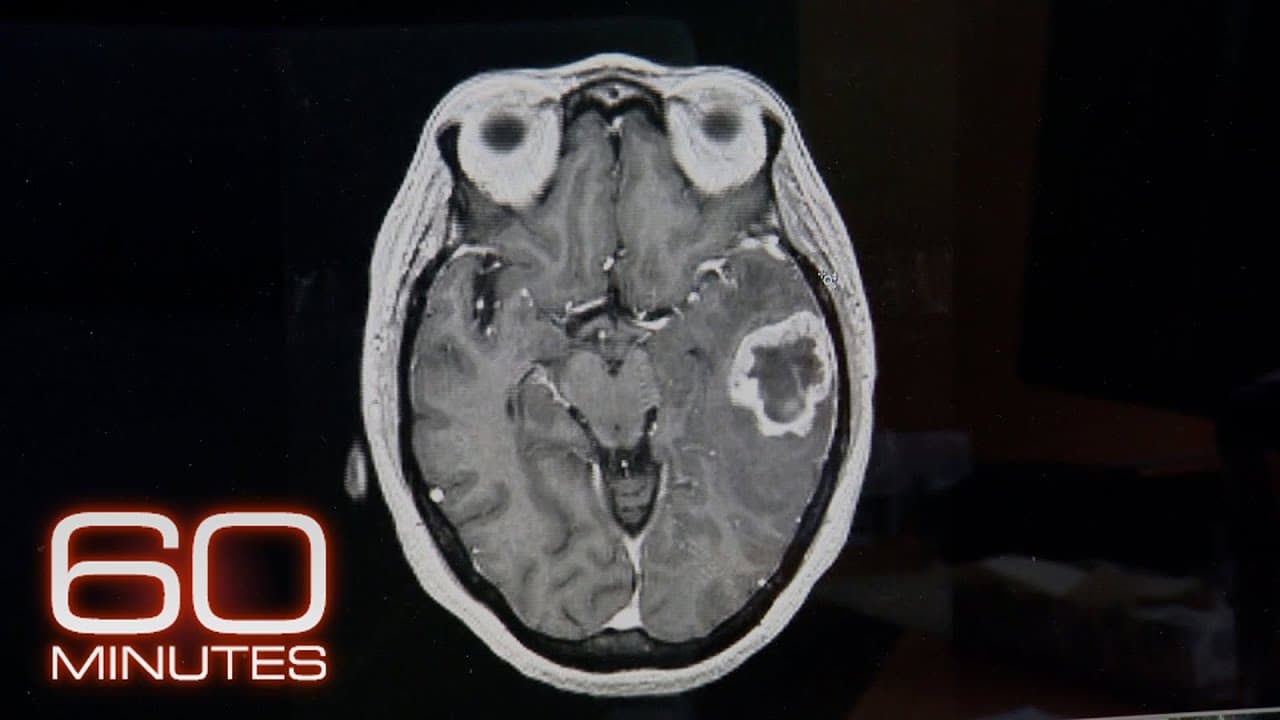
Frontotemporal Dementia (FTD) is a lesser-known, fatal disease that affects speech and behavior in younger adults.
Transcript
60 minutes rewind this is a story about the cruelest disease you have never heard of it's called frontotemporal dementia or ftd and given the devastating toll it takes on its victims and their families it ought to be much better known than it is ftd is the number one form of dementia in americans under the age of 60. what causes it is unc... Read More
Key Insights
- 😯 FTD is the leading form of dementia in individuals under 60, affecting personality and speech.
- ❓ Tracy Lind's story highlights the emotional toll and difficulties associated with an FTD diagnosis.
- 😀 Caregivers, like Amy Johnson, face immense challenges due to the progressive nature of FTD and its impact on affected individuals.
- 🤞 Research efforts provide hope for potential breakthroughs in FTD treatment options within the next five years.
- ❓ Societal understanding and support systems for FTD patients and caregivers require improvement.
- 🥺 FTD ultimately leads to physical decline and death, posing significant challenges for those affected medically, emotionally, and financially.
- 👨🔬 Bruce Miller's research on FTD at the University of California, San Francisco, offers insights into understanding and addressing this debilitating disease.
Install to Summarize YouTube Videos and Get Transcripts
Explore YouTube Video Summarizer or Get YouTube Transcript Extractor
Questions & Answers
Q: What is the primary characteristic of Frontotemporal Dementia (FTD)?
FTD primarily affects personality, speech, and behavior, leading to significant changes and challenges for individuals and their loved ones. The disease is fatal and profoundly impactful on the lives of those affected.
Q: How does FTD differ from Alzheimer's disease?
FTD targets the frontal and temporal lobes of the brain, affecting behavior and speech, unlike Alzheimer's, which primarily impacts memory functions. This discrepancy results in distinct symptoms and progression trajectories.
Q: How do individuals with FTD interpret their own condition?
FTD patients may experience an identity crisis, often failing to recognize themselves in the mirror or displaying bizarre behaviors that alienate loved ones. The disease's impact is profound and enigmatic, disrupting personal and professional lives.
Q: What are the challenges faced by caregivers of FTD patients?
Caregivers undergo emotional hardships, financial burdens, and the taxing process of seeking appropriate care for FTD patients. The lack of awareness and support further exacerbates the already strenuous caregiving responsibilities.
Summary & Key Takeaways
-
FTD is a devastating, fatal dementia that manifests in personality and speech changes, affecting individuals under 60.
-
Tracy Lind, a prominent leader, received an FTD diagnosis, causing speech difficulties and a decline in functionality.
-
Caregivers of FTD patients face emotional and financial challenges with limited support.
Read in Other Languages (beta)
Share This Summary 📚
Summarize YouTube Videos and Get Video Transcripts with 1-Click
Try YouTube Summary with ChatGPT & Claude or YouTube Transcript Generator
Explore More Summaries from 60 Minutes 📚




Summarize YouTube Videos and Get Video Transcripts with 1-Click
Try YouTube Summary with ChatGPT & Claude or YouTube Transcript Generator