What Is Francis Fukuyama's Theory of the End of History?
TL;DR
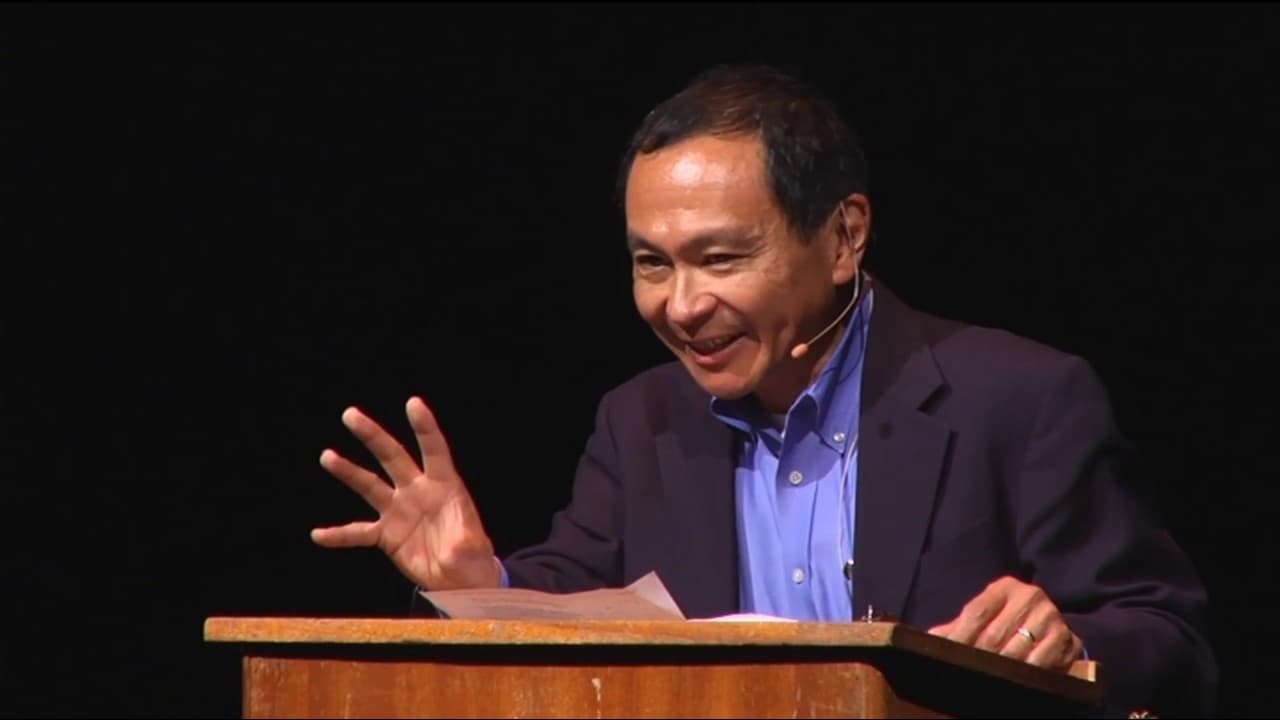
Francis Fukuyama's theory of the end of history posits that modernization leads to a universal process of liberal democracy and market economies. He argues that Islam is not an inherent obstacle to modernization; rather, social and cultural factors play a significant role. Essential for progress are strong state institutions and international accountability, while threats like technology and climate change pose ongoing challenges.
Transcript
top that Frank I'm Stuart brand from the long now foundation it's funny a while ago we had John Rendon who gave a talk a year ago and everybody assumed he was a conservative because he was doing work for the White House well he's done work for the last five White House's and probably will do work for the next five and he was a hard over Democrat ba... Read More
Key Insights
- 🥺 Fukuyama's theory of the end of history suggests that modernization leads to universal liberal democracy and market-based economies.
- 🪛 Radical Islamism does not contradict his theory, as it is driven by individuals caught between traditional and modern societies.
- 🖤 The lack of collective action and accountability poses challenges for democracy at an international level.
- ❓ State development is crucial for economic growth and poverty reduction.
- 🎙️ More videos with Francis Fukuyama:
Install to Summarize YouTube Videos and Get Transcripts
Explore YouTube Video Summarizer or Get YouTube Transcript Extractor
Questions & Answers
Q: Does radical Islamism pose a challenge to Fukuyama's theory of the end of history?
Fukuyama argues that radical Islamism does not refute his theory, as it is mainly driven by individuals caught between traditional and modern societies.
Q: What are the challenges of democracy at an international level?
Fukuyama discusses the lack of accountability and reciprocity in the international system, suggesting the need for multiple international institutions to address these issues.
Q: How does poverty impact the modernization process?
Fukuyama highlights the importance of state development in alleviating poverty and promoting economic growth. Lack of state institutions hinder development in certain regions.
Q: Can technology disrupt Fukuyama's theory?
Fukuyama acknowledges the potential threats of technology, such as global warming and democratization of weapons. However, he believes that institutions can adjust and adapt to technological changes.
Summary & Key Takeaways
-
Fukuyama explains his theory of the end of history, which suggests that modernization leads to a universal process of liberal democracy and market-based economies.
-
He addresses objections related to radical Islam, arguing that Islam itself is not the obstacle to modernization but rather certain social and cultural factors.
-
Fukuyama discusses the lack of collective action and accountability at an international level, suggesting that multiple overlapping international institutions are needed for effective governance.
-
He emphasizes the importance of state development for economic growth and poverty reduction, noting that institutions and political order are necessary for long-term economic development.
-
Fukuyama acknowledges the potential threats posed by technology, such as global warming and democratization of weapons, and their impact on political systems.
Read in Other Languages (beta)
Share This Summary 📚
Summarize YouTube Videos and Get Video Transcripts with 1-Click
Try YouTube Summary with ChatGPT & Claude or YouTube Transcript Generator
Explore More Summaries from Long Now Seminars 📚
Summarize YouTube Videos and Get Video Transcripts with 1-Click
Try YouTube Summary with ChatGPT & Claude or YouTube Transcript Generator