English Google Webmaster Central office-hours from February 18, 2020

TL;DR
Google experts discuss website management and SEO best practices.
Transcript
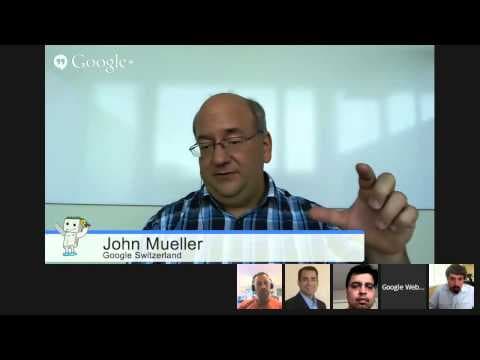
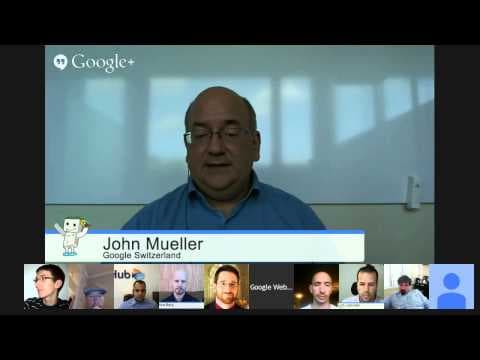
JOHN MUELLER: All right. Welcome, everyone, to today's Webmaster Central Office Hours Hangouts. My name is John Mueller. I'm a webmaster trends analyst here at Google in Zurich. And part of what we do are these Office Hour Hangouts where anyone can join in and ask any kinds of questions around websites and web search, and we can try to find some an... Read More
Key Insights
- John Mueller advises using sitemaps or RSS feeds for large websites with frequent URL updates, suggesting splitting sitemaps into recent and stable content sections.
- The use of the 'unavailable after' meta tag can help manage content validity, especially for time-sensitive content like classified ads.
- Machine-translated content can be indexed if the quality is high and the content is useful, but caution is advised to ensure it doesn't appear as low-quality or spam.
- Structured data should be used according to Google's guidelines for SEO benefits; however, not all schema.org types are supported in Google's rich results.
- Merging or restructuring websites can significantly impact search visibility and requires careful planning and execution to avoid negative effects.
- Search Console data aggregation differences can lead to discrepancies between visible data and API data, particularly for larger sites.
- Google's canonicalization process may not always align with site owners' expectations, especially in cases of URL restructuring or content migration.
- Referring pages from external domains in Search Console might appear spammy but do not necessarily indicate a negative impact on site quality.
Install to Summarize YouTube Videos and Get Transcripts
Explore YouTube Video Summarizer or Get YouTube Transcript Extractor
Questions & Answers
Q: What is the best way to handle frequent URL updates for large websites?
John Mueller suggests using sitemaps or RSS feeds to manage frequent URL updates. He recommends splitting sitemaps into sections for recent and stable content, allowing for efficient updates without overwhelming Google's processing capabilities. This approach helps in notifying Google about new URLs effectively.
Q: How can machine-translated content affect a website's SEO?
Machine-translated content can be indexed if it is of high quality and useful to users. However, caution is advised as low-quality translations may be considered spam. It's important to test translations and ensure they meet quality standards before allowing them to be indexed by Google.
Q: What should be considered when merging or restructuring websites?
Merging or restructuring websites can significantly impact search visibility. John Mueller advises that such changes require careful planning as they involve reprocessing by Google's algorithms. The new site structure must be stable, and site owners should anticipate potential fluctuations in search visibility during the transition.
Q: How does Google handle referring pages from external domains in Search Console?
Referring pages from external domains, even if spammy, do not necessarily indicate a negative impact on site quality. Google may initially find URLs through these sources, but it does not affect the site's indexing negatively. Disavowing such links won't change the indexing status of already discovered URLs.
Q: How should structured data be used for SEO benefits?
Structured data should be used according to Google's guidelines to gain SEO benefits, particularly for rich results. Not all schema.org types are supported by Google, so it's important to use types documented in Google's developer resources. Using unsupported types won't provide visible search result enhancements.
Q: What causes discrepancies between Search Console data and API data?
Discrepancies between Search Console data and API data can occur due to differences in data aggregation methods and the absence of fresh data in the API. Aggregation differences, especially for large sites, can lead to variations in reported numbers. The higher count, whether in the summary or rows, is generally more accurate.
Q: Why might Google's canonicalization not align with site owners' expectations?
Google's canonicalization process uses multiple signals, including rel canonical tags, internal linking, and sitemaps. When these signals are not clear or consistent, Google may choose a canonical URL that differs from site owners' preferences. Properly structured redirects and consistent signals can help guide Google's canonicalization decisions.
Q: How does Google view HTML5 semantic tags in terms of SEO?
While HTML5 semantic tags like main and article can help clarify page structure, they are not used by Google as a direct SEO ranking factor. Google's focus is on the relevance and quality of content rather than the technical details of HTML markup. Clean HTML is beneficial for accessibility and browser compatibility.
Summary & Key Takeaways
-
In this session, John Mueller and other Google experts addressed various webmaster-related queries, focusing on SEO, sitemaps, and content management. They provided insights into handling large websites, using structured data, and the implications of site migrations.
-
The discussion covered the use of sitemaps and RSS feeds for websites with frequent URL updates, the importance of content quality, and the impact of machine translations. They also highlighted the significance of structured data and the potential effects of merging or restructuring websites.
-
Participants received advice on dealing with discrepancies in Search Console data, the canonicalization process, and handling external referring pages. The session emphasized careful planning for site changes to maintain search visibility and avoid unintended consequences.
Read in Other Languages (beta)
Share This Summary 📚
Summarize YouTube Videos and Get Video Transcripts with 1-Click
Try YouTube Summary with ChatGPT & Claude or YouTube Transcript Generator
Explore More Summaries from Google Search Central 📚

Summarize YouTube Videos and Get Video Transcripts with 1-Click
Try YouTube Summary with ChatGPT & Claude or YouTube Transcript Generator