What Was the Impact of Saudi Aramco's IPO?
TL;DR
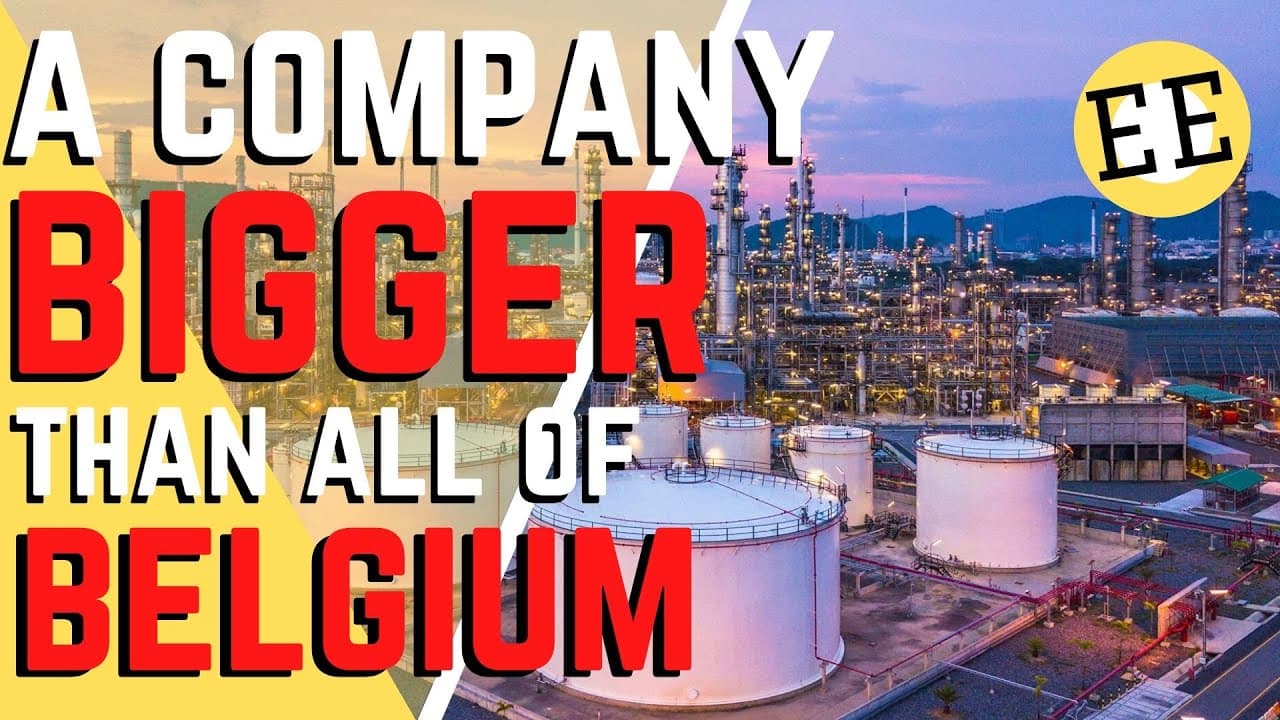
Saudi Aramco's IPO on December 11, 2019, made it the world's most valuable company with a $2 trillion market cap. Although it initially succeeded, the stock's value later declined due to market volatility and geopolitical factors, raising concerns about its long-term prospects. The IPO primarily aimed to fund national projects and build a sovereign wealth fund, rather than reinvest in the company.
Transcript
on the 11th of December 2019 the government of Saudi Arabia launched the initial public offering of the Saudi Aramco corporation on to the total public stock exchange the company's initial offering actually went quite well after an unprecedented marketing campaign which before this event was pretty much unheard of on the second day of trading the c... Read More
Key Insights
- Saudi Aramco's IPO on December 11, 2019, made it the most valuable company globally, surpassing Apple, Amazon, and Microsoft with a market cap of $2 trillion.
- Despite its success, Saudi Aramco's stock price declined post-IPO due to global market turmoil and an oil price war, raising concerns about its long-term viability.
- The IPO was primarily a mechanism for Saudi Arabia to build a sovereign wealth fund, as the funds raised were directed towards national projects rather than corporate reinvestment.
- Saudi Aramco's IPO was heavily marketed, an unusual approach for an IPO, highlighting its significance as a national symbol of economic progress.
- The company only listed 5% of its shares, with the majority remaining under Saudi government control, limiting foreign investment and liquidity.
- Investors face several risks with Saudi Aramco, including market, liquidity, foreign investment, and sovereign risks, questioning its attractiveness as a long-term investment.
- Despite being highly profitable, Saudi Aramco's future is uncertain due to the declining oil industry and geopolitical instability in the region.
- The success of Saudi Aramco's IPO reflects a broader trend of state-owned enterprises leveraging public markets to diversify national economies.
Install to Summarize YouTube Videos and Get Transcripts
Explore YouTube Video Summarizer or Get YouTube Transcript Extractor
Questions & Answers
Q: Why did Saudi Aramco go public if it didn't need the funds?
Saudi Aramco's IPO was not primarily about raising funds for the company itself, as it was already highly profitable. Instead, the IPO was a strategic move by the Saudi government to raise capital for national projects and build a sovereign wealth fund. The funds from the IPO were intended to diversify the country's economy and prepare for a future less reliant on oil revenues. This approach reflects a broader economic strategy rather than a necessity for corporate funding.
Q: What were the main reasons for the decline in Saudi Aramco's stock price post-IPO?
The decline in Saudi Aramco's stock price post-IPO can be attributed to several factors. Firstly, global market volatility, including the oil price war and economic uncertainties, negatively impacted investor confidence. Secondly, the limited liquidity due to only 5% of shares being publicly available restricted trading flexibility. Additionally, geopolitical instability in the region and concerns about the long-term viability of the oil industry further contributed to the stock's decline, raising questions about its sustainability as a long-term investment.
Q: How does Saudi Aramco's IPO compare to other major IPOs in history?
Saudi Aramco's IPO stands out as one of the largest and most significant in history, with a market capitalization of $2 trillion, surpassing other major companies like Apple, Amazon, and Microsoft. Unlike typical IPOs, Saudi Aramco's offering was heavily marketed, emphasizing its national significance. The IPO was unique in that it was not primarily for corporate reinvestment but rather to fund national projects and build a sovereign wealth fund. This approach highlights the strategic and symbolic importance of the IPO for Saudi Arabia's economic diversification.
Q: What are the potential risks associated with investing in Saudi Aramco?
Investing in Saudi Aramco involves several risks. Market risk is significant due to the volatile nature of the oil industry and geopolitical instability in the region. Liquidity risk arises from the limited availability of shares on a small exchange, potentially restricting trading flexibility. Foreign investment risk includes currency exchange issues and potential double taxation. Sovereign risk is also a concern, given the government's substantial control over the company, which could impact dividend payments and shareholder value. These risks collectively challenge the attractiveness of Saudi Aramco as a long-term investment.
Q: How does Saudi Aramco's IPO impact the global oil market?
Saudi Aramco's IPO has significant implications for the global oil market. As the world's largest oil company, its public offering brought increased scrutiny and transparency to its operations, influencing market dynamics. The IPO also highlighted the strategic importance of oil to Saudi Arabia's economy and its efforts to diversify revenue sources. Additionally, the IPO's timing amid an oil price war and market volatility underscored the challenges facing the oil industry. Overall, Saudi Aramco's IPO serves as a barometer for the industry's health and future prospects.
Q: What role does the Saudi government play in Saudi Aramco's operations?
The Saudi government plays a central role in Saudi Aramco's operations, retaining 95% ownership of the company. This substantial control allows the government to influence strategic decisions, dividend policies, and the allocation of funds raised from the IPO. The government's involvement reflects the symbiotic relationship between the company and the state, with Aramco serving as a key economic driver and source of national revenue. This relationship blurs the line between corporate and state interests, impacting the company's operations and investment appeal.
Q: What is the significance of Saudi Aramco's guaranteed dividend payment?
Saudi Aramco's guaranteed dividend payment of 4.4% at the time of the IPO is significant as it offers investors a stable return in a volatile market. This guaranteed dividend, backed by the Saudi government, provides a level of security and attractiveness to investors, especially during economic uncertainties. However, the sustainability of this dividend is contingent on the company's long-term profitability and the broader oil market's health. While the guaranteed dividend is appealing, it also highlights the risks associated with investing in a state-controlled entity in a declining industry.
Q: How does Saudi Aramco's IPO reflect broader economic trends in state-owned enterprises?
Saudi Aramco's IPO reflects a broader trend of state-owned enterprises leveraging public markets to diversify national economies and reduce dependency on a single industry. By going public, Aramco aims to attract foreign investment, increase transparency, and align with global economic practices. This trend is seen in other resource-rich nations seeking to monetize state assets and build sovereign wealth funds for future economic stability. Aramco's IPO underscores the strategic importance of integrating state-owned enterprises into global financial markets to achieve long-term economic diversification and resilience.
Summary & Key Takeaways
-
Saudi Aramco's IPO in December 2019 marked it as the world's most valuable company, with a $2 trillion market cap. Despite its initial success, the stock price declined due to market volatility and oil price wars, raising concerns about its long-term prospects.
-
The IPO was a strategic move by Saudi Arabia to fund national projects and build a sovereign wealth fund, rather than reinvest in the company. This approach, coupled with an unprecedented marketing campaign, highlighted the IPO's significance as a national economic milestone.
-
Investors face multiple risks with Saudi Aramco, including market, liquidity, and sovereign risks, making it a potentially unattractive long-term investment. The company's future is uncertain due to declining oil industry prospects and regional geopolitical instability.
Read in Other Languages (beta)
Share This Summary 📚
Summarize YouTube Videos and Get Video Transcripts with 1-Click
Try YouTube Summary with ChatGPT & Claude or YouTube Transcript Generator
Explore More Summaries from Economics Explained 📚



Summarize YouTube Videos and Get Video Transcripts with 1-Click
Try YouTube Summary with ChatGPT & Claude or YouTube Transcript Generator