How To Slow Down Time - The Holiday Paradox
TL;DR
Our perception of time can be distorted by emotions, experiences, and reflections.
Transcript
all right so last year I did a lot of traveling and it felt like time really slowed down I was doing so much stuff in the space of just a few months and I actually remember a lot of what happened but there's is very different to my life in London where every day seems to sort of blend into all of the others and when I look back over the last few mo... Read More
Key Insights
- 😨 Emotional states significantly affect our perception of time; fear and enjoyment create contrasting experiences.
- ⌛ Subjective time can differ greatly based on routine versus novelty; new experiences make time feel elongated.
- ⌛ The Holiday Paradox illustrates how in-the-moment and retrospective perceptions of time vary based on memory richness.
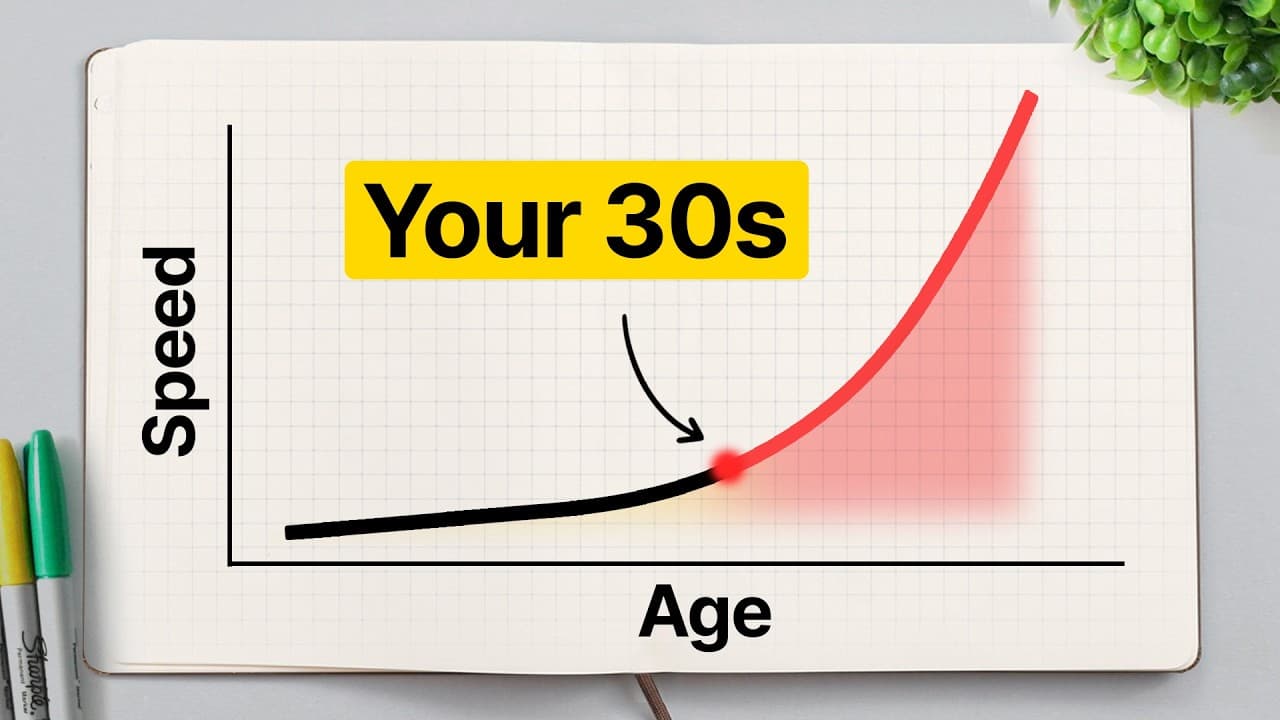
- 🤕 Age impacts how we experience time, contributing to a faster subjective passage as life becomes routine.
- 💁 Memory formation techniques, like journaling, amplify our recollections and can enrich our perception of life’s timelines.
- 🧘 Mindfulness practices, such as meditation, help create lasting memories by encouraging presence in daily activities.
- 🐢 The concept of anchors of novelty suggests that diversifying experiences can help slow down perceived time.
Install to Summarize YouTube Videos and Get Transcripts
Explore YouTube Video Summarizer or Get YouTube Transcript Extractor
Questions & Answers
Q: How does fear influence our perception of time?
Research shows that experiencing fear can make time seem to slow down. In studies involving novice skydivers, those who felt more fear estimated that their jumping experience lasted longer. This indicates that strong emotions, particularly fear and anxiety, can distort our perception of how quickly or slowly time passes.
Q: What is the Holiday Paradox?
The Holiday Paradox refers to the phenomenon where time feels slow during an event, like waiting at an airport, but upon reflection, that same time seems to have passed quickly. In contrast, moments filled with novelty and excitement tend to feel brief during the experience but are remembered as lengthy due to the richness of memories created.
Q: How does age affect our perception of time?
As people age, they often report a feeling that time passes more quickly. This is partially due to the percentage of life a year represents; for a ten-year-old, one year is 10% of their life, while for a fifty-year-old, it's only 2%. Such proportionate comparisons influence subjective experiences of time as people grow older.
Q: What are anchors of novelty, and how do they help with time perception?
Anchors of novelty involve introducing new experiences into daily routines. Research indicates that engaging in diverse activities creates more memory anchors, making time feel like it passes more slowly. Simple changes, like trying new routes or learning new skills, can significantly expand one’s perception of time.
Q: How can journaling affect our memory of time?
Journaling serves as an anchor of reflection, enabling individuals to document their daily experiences and feelings. Writing about daily activities can enhance memory retention, allowing people to look back and appreciate time more fully. This reflection can make time feel richer and slower as it builds a narrative of life.
Q: What role does mindfulness play in our perception of time?
Mindfulness, the practice of being present, has been shown to create a slower perception of time through enhanced awareness. Research suggests that individuals who meditate regularly perceive less time pressure and report time feeling more expansive, likely due to the increased formation of memories in the present moment.
Q: How does routine impact our experience of time?
Routines can contribute to a feeling of time passing quickly. When activities become repetitive, they create fewer memories, making periods feel shorter in hindsight. By seeking variety and engaging in new experiences, individuals can counteract this phenomenon and elongate their subjective perception of time.
Q: What are practical ways to create memories and slow down time?
Some effective strategies include seeking new experiences, practicing mindfulness, and maintaining a journaling habit. Engaging in different activities, reflecting on those experiences, and being present in the moment can all lead to richer memories, which enhance the feeling of time as expansive rather than fleeting.
Summary & Key Takeaways
-
Time distortion is influenced by emotions; experiences of fear slow down time perception, while excitement speeds it up. This subjectivity reveals how personal experiences shape our understanding of time passing.
-
The Holiday Paradox demonstrates how in-the-moment time perception can differ significantly from our memory of that time. Events that feel brief can feel long in retrospect due to the number of memories created.
-
To expand our perception of time, we can introduce novelty into our routines, practice mindfulness, and keep reflective journals, ultimately helping us appreciate time more fully.
Read in Other Languages (beta)
Share This Summary 📚
Summarize YouTube Videos and Get Video Transcripts with 1-Click
Try YouTube Summary with ChatGPT & Claude or YouTube Transcript Generator
Explore More Summaries from Ali Abdaal 📚






Summarize YouTube Videos and Get Video Transcripts with 1-Click
Try YouTube Summary with ChatGPT & Claude or YouTube Transcript Generator