How obsessive artists colorize old photos
TL;DR
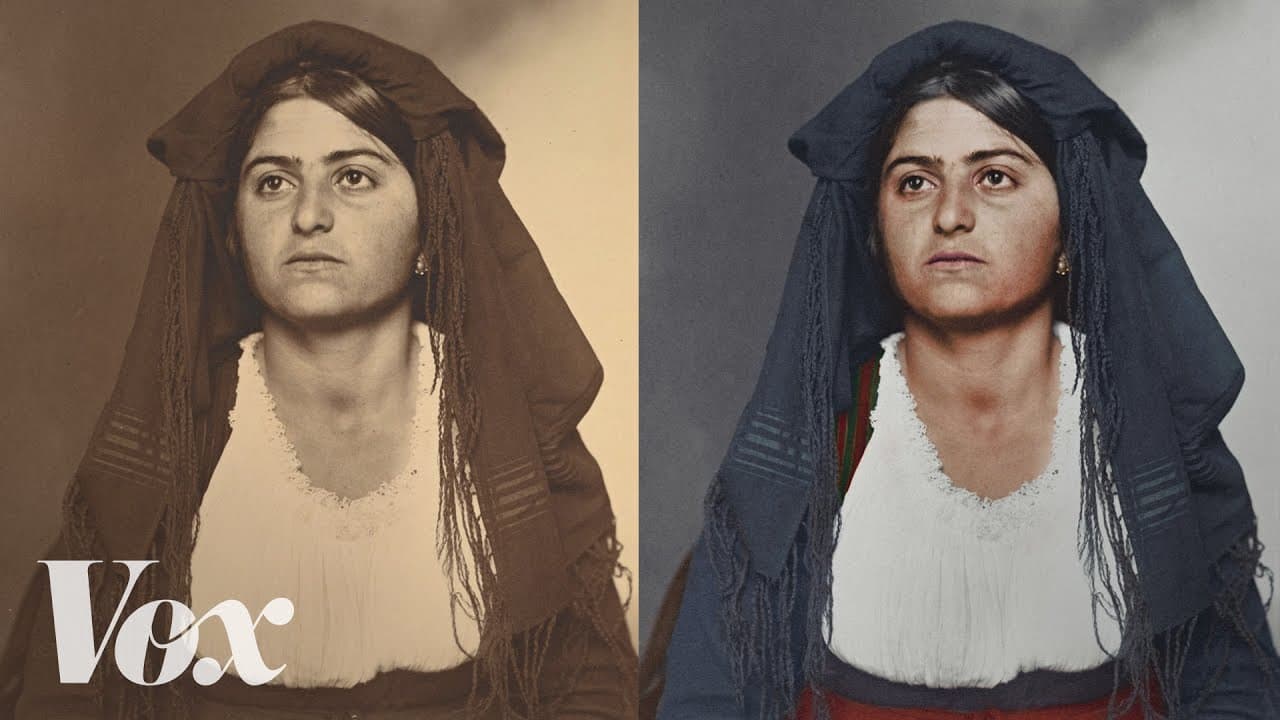
Colorizing photos bridges the gap between past and present.
Transcript
You might have seen some of these colorized photos on the internet. Mark Twain, Amelia Earhart, a young Charlie Chaplin. It’s incredible how normal these people look because they’re no longer in black and white. Like they’re someone you could pass by on the street and not someone unreachable or from another time. What I love about these photos is t... Read More
Key Insights
- Colorization of historical photos helps make figures from the past appear more relatable and contemporary, bridging the gap between history and the present.
- The process of colorizing photos involves extensive research, including consulting historical documents, diaries, and experts to ensure accuracy in colors and details.
- Digital tools like Photoshop enable artists to reconstruct images with high accuracy, using historical records to determine precise colors for authenticity.
- The technique of colorizing photos dates back to the 1800s, but modern technology allows for more realistic and detailed renditions.
- Artists face criticism for altering historical photos, but they argue that colorization is a supplement to the original, not a replacement.
- Understanding light and atmospheric conditions is crucial for achieving photorealism, as it affects how colors appear in historical photos.
- Colorization brings a new perspective to history, transforming it from a linear timeline into a rich tapestry of interconnected moments.
- Institutions like the Library of Congress and US National Archive provide digitized and public domain photos, enabling artists to create high-quality colorized versions.
Install to Summarize YouTube Videos and Get Transcripts
Explore YouTube Video Summarizer or Get YouTube Transcript Extractor
Questions & Answers
Q: What is the main goal of photo colorization?
The main goal of photo colorization is to make historical figures and moments more relatable and accessible by bridging the gap between the past and present. By adding color to black and white photos, artists can transform historical images into lifelike representations, offering a new perspective on history and enabling viewers to connect with the past in a more tangible way.
Q: How do artists ensure accuracy in colorizing photos?
Artists ensure accuracy in colorizing photos through meticulous research. They consult historical documents, diaries, government records, and even experts in fields like ethnographic dress to determine the correct colors and details for each image. This research helps them recreate the historical context accurately, ensuring that every detail, from clothing to environmental elements, is faithfully represented.
Q: What role does technology play in photo colorization?
Technology plays a significant role in photo colorization by providing artists with digital tools like Photoshop to reconstruct images with high accuracy. These tools allow artists to add and blend layers of color, repair photo damage, and use online resources to determine historical colors. Technology has made it possible to achieve a level of detail and realism that was not possible in earlier colorization techniques.
Q: Why is understanding light important in photo colorization?
Understanding light is crucial in photo colorization because it affects how colors appear in historical photos. Artists need to consider the lighting conditions when the photo was taken, as this influences the colors and overall atmosphere. By analyzing shadows and light location, artists can make educated guesses about the time of day and atmospheric conditions, which are essential for achieving photorealism.
Q: What criticisms do colorization artists face?
Colorization artists face criticisms from some who argue that altering historical photos is akin to vandalizing art or distorting history. Critics believe that the original black and white images should be left untouched. However, artists argue that colorization is not a substitute for the original but rather a supplement that offers a new perspective and enhances our understanding of history.
Q: How does colorization change our perception of history?
Colorization changes our perception of history by transforming it from a linear timeline into a rich tapestry of interconnected moments. By adding color, historical figures and events become more relatable and accessible, allowing viewers to connect with the past in a more tangible way. This new perspective enriches our understanding and appreciation of historical narratives.
Q: What resources do artists rely on for colorization?
Artists rely on a variety of resources for colorization, including historical documents, diaries, government records, old advertisements, and expert consultations. Institutions like the Library of Congress and the US National Archive provide access to digitized and public domain photos, enabling artists to create high-quality colorized versions. These resources are essential for ensuring historical accuracy and detail in the colorized images.
Q: What is the historical significance of photo colorization?
The historical significance of photo colorization lies in its ability to offer a more relatable and accessible view of the past. By adding color to black and white photos, colorization brings historical figures and events to life, making them more tangible and understandable for contemporary audiences. This process enriches our understanding of history, transforming it into a dynamic and interconnected tapestry of moments.
Summary & Key Takeaways
-
Colorizing black and white photos makes historical figures and moments more relatable by bridging the gap between past and present. Artists use research and technology to ensure accuracy, transforming history into a rich tapestry of moments.
-
The process involves meticulous research, including consulting historical documents and experts, and using digital tools to achieve realistic colorization. Understanding light and atmospheric conditions is crucial for achieving photorealism in the final images.
-
Despite criticism, colorization is seen as a supplement to original photos, offering a new perspective on history. Institutions provide access to public domain photos, enabling artists to create high-quality colorized versions that enrich our understanding of the past.
Read in Other Languages (beta)
Share This Summary 📚
Summarize YouTube Videos and Get Video Transcripts with 1-Click
Try YouTube Summary with ChatGPT & Claude or YouTube Transcript Generator
Explore More Summaries from Vox 📚



Summarize YouTube Videos and Get Video Transcripts with 1-Click
Try YouTube Summary with ChatGPT & Claude or YouTube Transcript Generator