What Is Cordyceps Fungus and How Does It Control Insects?
TL;DR
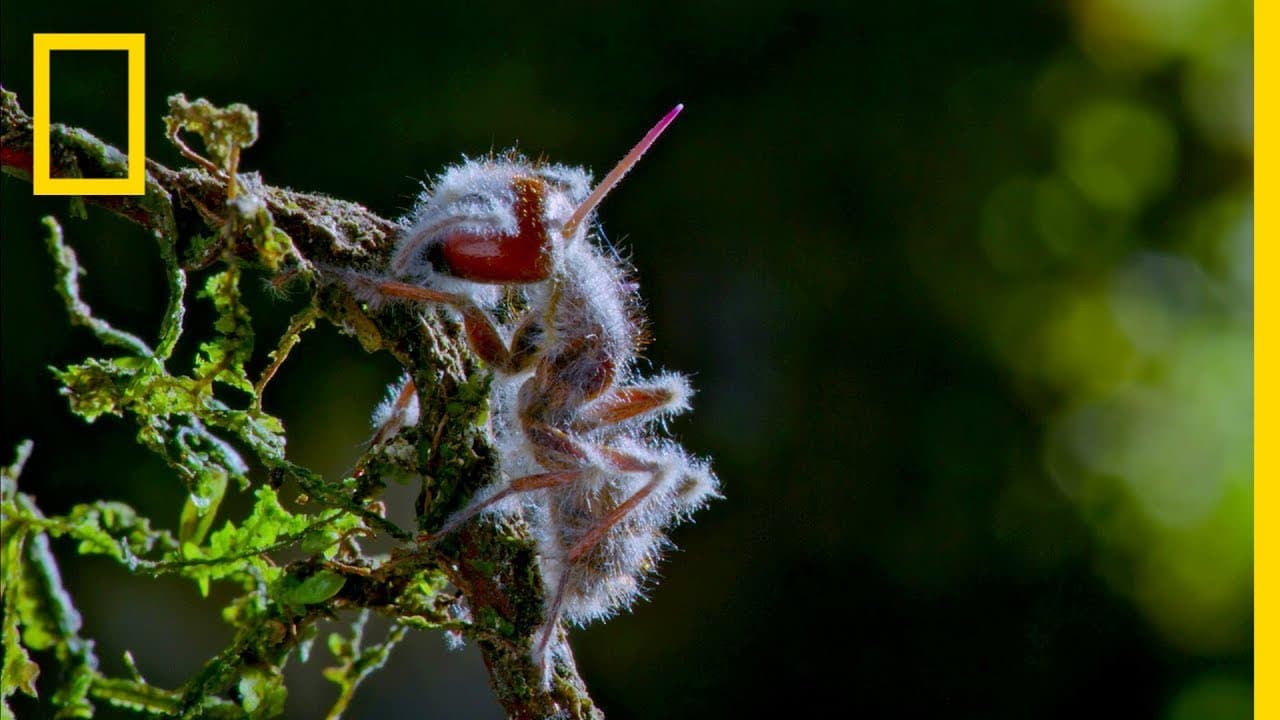
Cordyceps fungus takes control of insects by infiltrating their bodies and manipulating their behavior, ultimately leading them to optimal conditions for its reproduction. This parasitic relationship can wipe out entire ant colonies and poses a threat to various insect species, showcasing the complex dynamics of ecosystems.
Transcript
Fungi and slime molds race to decompose dead matter on the forest floor. Many spread by releasing spores up to thirty thousand a second. (scary music) If just one of these spores lands in the right place, and takes root, it can colonize a whole new area. (scary music) But not all fungi feed on the dead. (scary music) Days ago, a spore landed on thi... Read More
Key Insights
- 🖐️ Fungi and slime molds play a vital role in nutrient recycling and ecosystem health.
- 👻 Cordyceps' parasitic behavior towards insects demonstrates the intricate relationship between fungi and their hosts.
- ❓ Cordyceps' ability to manipulate insect behavior for its reproductive benefit showcases the complexity of nature.
- 🤰 The threat of cordyceps extends beyond ants to various insect species, highlighting its impact on ecosystem dynamics.
- 🤰 Cordyceps' ability to wipe out entire ant colonies underscores the potential ecological consequences of fungal infections.
- 🍄 Fungi like cordyceps showcase the diversity of strategies employed in the natural world for survival and reproduction.
- 🍄 The spread of cordyceps across different ecosystems emphasizes the adaptability and wide distribution of parasitic fungi.
Install to Summarize YouTube Videos and Get Transcripts
Explore YouTube Video Summarizer or Get YouTube Transcript Extractor
Questions & Answers
Q: How do fungi and slime molds contribute to the decomposition process?
Fungi and slime molds break down dead matter on the forest floor by releasing spores that colonize new areas and aid in nutrient recycling.
Q: What is the parasitic behavior of cordyceps towards insects?
Cordyceps infect insects like ants, manipulating their behavior to ensure the spread of spores and eventual destruction of the host population.
Q: What are the potential consequences of cordyceps infecting ant colonies?
Cordyceps can wipe out entire ant colonies, disrupting ecosystem balance and potentially impacting other organisms dependent on ants.
Q: Where are most cordyceps species found, and what is their primary mode of feeding?
Most cordyceps species are found in jungles, preying on a variety of victims, including insects, through parasitic behavior.
Summary & Key Takeaways
-
Fungi and slime molds rapidly decompose dead matter on the forest floor by releasing spores.
-
Some fungi like cordyceps parasitize insects, manipulating their behavior to ensure successful reproduction.
-
Cordyceps can wipe out entire ant colonies and pose a threat to various insect species.
Read in Other Languages (beta)
Share This Summary 📚
Summarize YouTube Videos and Get Video Transcripts with 1-Click
Try YouTube Summary with ChatGPT & Claude or YouTube Transcript Generator
Explore More Summaries from National Geographic 📚





Summarize YouTube Videos and Get Video Transcripts with 1-Click
Try YouTube Summary with ChatGPT & Claude or YouTube Transcript Generator