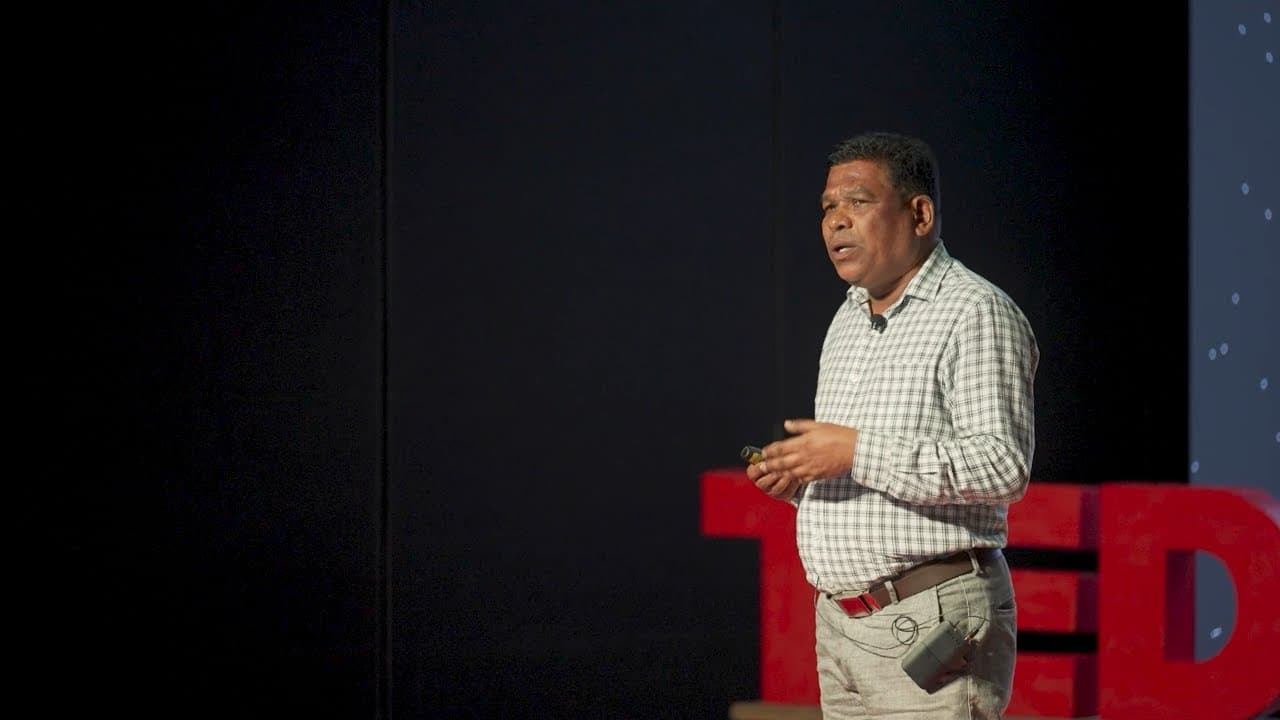
Using Indigenous Knowledge for Conservation | Madegowda C | TEDxMAHE Bengaluru
TL;DR
Indigenous communities in India have deep conservation knowledge, coexisting with wildlife through rituals, sustainable practices, and community-based conservation plans.
Transcript
so good morning uh today I'm uh sharing some of the experience and working at the grassroot level the indigenous communi knowledge for conservation I think you all know many indigenous communities or adasi communities our tribal communities living all over India in the protected area like a tiger reso Nash Park wildli Century so we have in India we... Read More
Key Insights
- 🇮🇳 Indigenous communities in India, like the Soliga, have deep conservation knowledge and coexist peacefully with wildlife through rituals and sustainable practices.
- 🛐 These communities worship nature, wildlife, and have symbiotic relationships with their environment, promoting conservation efforts.
- 🌱 Through community-based conservation plans and traditional methods, indigenous communities in India ensure sustainable resource management.
- 🗯️ Legal recognition, such as community forest rights, empowers indigenous communities to conserve and manage their environment effectively.
- 🫡 Coexistence between indigenous communities and wildlife is possible through understanding, respect, and cultural practices that promote conservation.
- 🧭 Conservation knowledge is passed down from generation to generation, ensuring the preservation of traditional practices and environmental protection.
- 😒 Rituals, traditional methods, and sustainable resource use are integral to indigenous communities' conservation efforts in India.
Install to Summarize YouTube Videos and Get Transcripts
Explore YouTube Video Summarizer or Get YouTube Transcript Extractor
Questions & Answers
Q: How do indigenous communities in India coexist with wildlife through conservation knowledge?
Indigenous communities like the Soliga in India have deep conservation knowledge, worship nature, wildlife, and practice sustainable resource use. Through rituals, traditional practices, and community-based conservation plans, they coexist peacefully with wildlife.
Q: How do indigenous communities in India ensure sustainable resource use in their environment?
Indigenous communities in India practice rituals, traditional methods, and community-based conservation plans to ensure sustainable resource use. They have deep conservation knowledge, worship nature, and coexist with wildlife through their practices.
Q: How do indigenous communities in India protect their environment through conservation knowledge?
Indigenous communities in India protect their environment through deep conservation knowledge, rituals, and sustainable practices. They worship nature, wildlife, and implement community-based conservation plans to coexist with wildlife and safeguard their surroundings.
Q: What initiatives have indigenous communities in India taken to conserve their environment?
Indigenous communities in India have implemented community-based conservation plans, traditional practices, and rituals to ensure sustainable resource use and coexist with wildlife. They also received community forest rights to legally conserve and manage their environment.
Summary & Key Takeaways
-
Indigenous communities in India, such as the Soliga, have symbiotic relationships with nature living within and around protected areas.
-
These communities have deep conservation knowledge, worshipping nature, wildlife, and practicing sustainable resource use.
-
Through rituals, traditional practices, and community-based conservation plans, these communities coexist with wildlife and strive to protect their environment.
Read in Other Languages (beta)
Share This Summary 📚
Summarize YouTube Videos and Get Video Transcripts with 1-Click
Try YouTube Summary with ChatGPT & Claude or YouTube Transcript Generator
Explore More Summaries from TEDx Talks 📚





Summarize YouTube Videos and Get Video Transcripts with 1-Click
Try YouTube Summary with ChatGPT & Claude or YouTube Transcript Generator