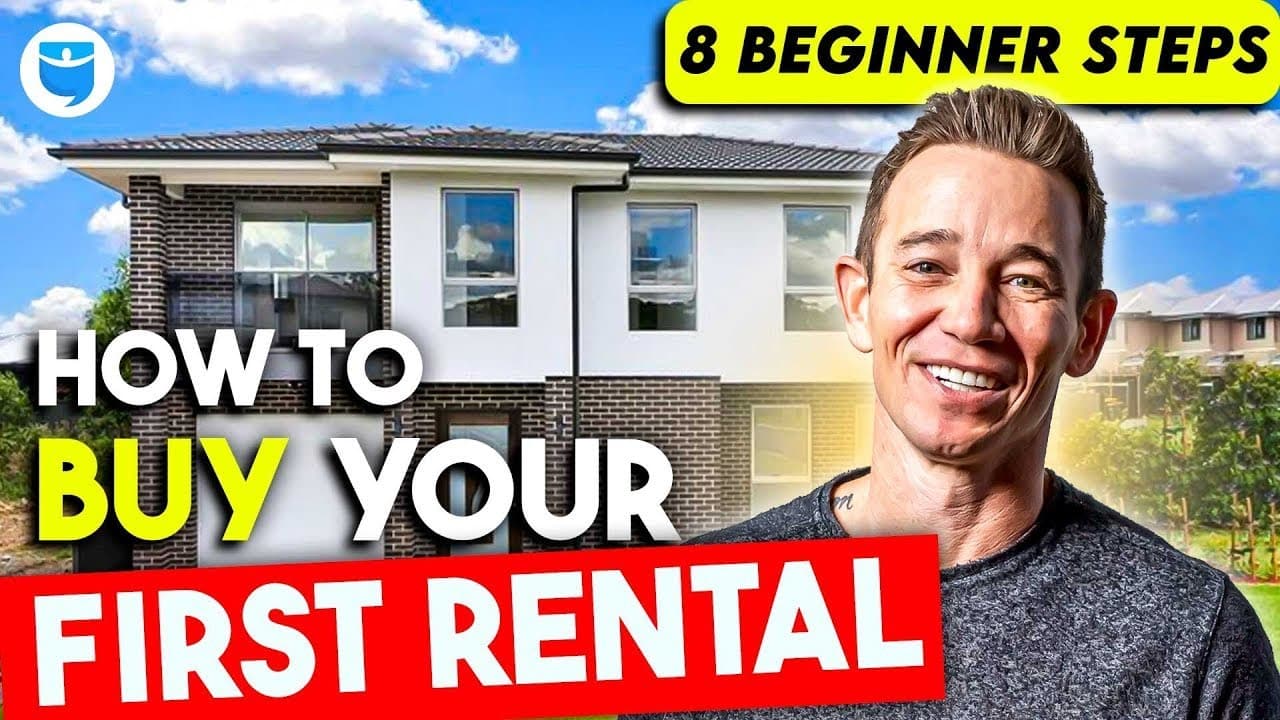
How to Buy Your First Rental (8 Beginner Steps)
TL;DR
Learn the steps to buy and manage your first rental property.
Transcript
this past year might have made you think that you'll never get into real estate investing demand and pricing are still high and no one knows where rates are about to go but what I'm going to show you is why investing in real estate in any Market can bring you and your family Long and Lasting wealth and my career is a testimonial to that I got start... Read More
Key Insights
- Investing in real estate can be lucrative regardless of market conditions; adaptability and strategy are key to success.
- Rental properties offer financial benefits such as cash flow control, loan paydown by tenants, appreciation, and tax incentives.
- Understanding the real estate market and establishing a 'buy box' are crucial first steps in investing.
- Getting pre-approved for financing is essential; it helps determine budget and potential cash flow from rental properties.
- Analyzing deals through underwriting helps mitigate risks and identify profitable investments.
- Working with an investment-focused broker can streamline the property search and underwriting process.
- Making offers and handling rejections are part of the process; persistence is essential for success.
- Deciding between self-managing or hiring a property manager depends on the investor's goals and available time.
Install to Summarize YouTube Videos and Get Transcripts
Explore YouTube Video Summarizer or Get YouTube Transcript Extractor
Questions & Answers
Q: Why is adaptability important in real estate investing?
Adaptability is crucial in real estate investing because market conditions can fluctuate. By being adaptable, investors can adjust their strategies to take advantage of opportunities, regardless of whether the market is booming or in a downturn. This flexibility helps investors maintain profitability and achieve long-term financial goals.
Q: What are the main financial benefits of owning rental properties?
Owning rental properties provides several financial benefits, including the ability to control cash flow, have tenants pay down loans, benefit from property appreciation, and receive tax incentives. These advantages contribute to building wealth over time and can lead to financial freedom for investors.
Q: How does one determine the right market for real estate investment?
Determining the right market involves identifying investment goals, such as high cash flow or appreciation, and researching different markets to find those that align with these goals. Investors should consider factors like property prices, rental yields, and economic conditions to establish a 'buy box' that guides their investment decisions.
Q: What is the importance of getting pre-approved for financing?
Getting pre-approved for financing is important because it helps investors understand their budget and the potential cash flow from rental properties. It allows them to know their interest rates and monthly payments, which are crucial for calculating cash flow and ensuring the investment is financially viable.
Q: What role does underwriting play in real estate investing?
Underwriting plays a critical role in real estate investing by helping investors analyze deals, mitigate risks, and identify profitable opportunities. It involves assessing the property's current and potential value, renovation costs, and potential rental income to make informed investment decisions.
Q: Why is it beneficial to work with an investment-focused broker?
Working with an investment-focused broker is beneficial because they specialize in identifying and underwriting investment properties. They can provide valuable insights, help streamline the property search process, and ensure that investors are looking at properties that meet their investment criteria.
Q: How should investors handle rejections when making offers?
Investors should view rejections as a natural part of the process and remain persistent. Each rejection brings them closer to a successful deal. They should use rejections as learning opportunities to refine their underwriting and offer strategies, ultimately improving their chances of securing profitable investments.
Q: What factors should investors consider when deciding between self-managing or hiring a property manager?
Investors should consider their goals, available time, and willingness to handle tenant issues. Self-managing can save money but requires time and effort, while hiring a property manager provides convenience and professional management but comes with a cost. The decision should align with the investor's overall strategy and lifestyle.
Summary & Key Takeaways
-
The video emphasizes that real estate investing can be profitable in any market by focusing on adaptability and strategic planning. It highlights the financial benefits of rental properties, including cash flow, loan paydown, appreciation, and tax incentives.
-
Key steps for beginners include understanding the market, getting pre-approved for financing, and mastering deal analysis through underwriting. These steps help investors identify potential properties and mitigate risks.
-
The video advises working with investment-focused brokers to streamline the process and emphasizes the importance of making offers and handling rejections. It also discusses the decision between self-managing properties or hiring a property manager.
Read in Other Languages (beta)
Share This Summary 📚
Summarize YouTube Videos and Get Video Transcripts with 1-Click
Try YouTube Summary with ChatGPT & Claude or YouTube Transcript Generator
Explore More Summaries from BiggerPockets 📚





Summarize YouTube Videos and Get Video Transcripts with 1-Click
Try YouTube Summary with ChatGPT & Claude or YouTube Transcript Generator