Strange Stories in History - Compilation Volume 1
TL;DR
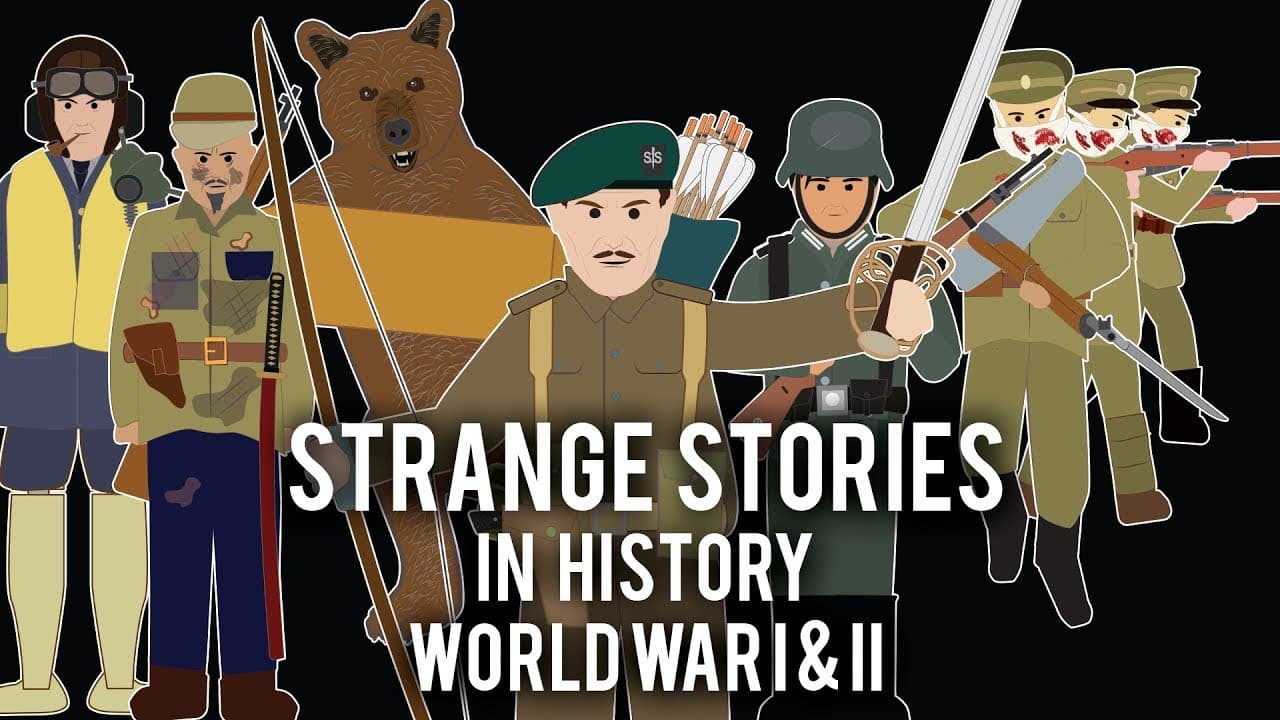
From a Japanese soldier who refused to surrender until 1974 to a pilot who fought without legs, these incredible stories of heroism during and after World War II showcase the resilience and bravery of individuals in the face of adversity.
Transcript
hero Onoda the Japanese soldier who didn't surrender until 1974 hero Onoda was a Japanese intelligence officer in the Imperial Japanese Army who refused to surrender until decades after world war ii had ended in the Pacific Theater there were many Japanese holdouts Holdings enryu Nippon hey or remaining Japanese soldiers they were motivated to cont... Read More
Key Insights
- 📈 The indoctrination of Japanese soldiers during World War II led to some soldiers continuing to fight long after the war ended.
- 🧑🚒 Unconventional tactics and weapons were sometimes used by soldiers during World War II, such as Mad Jack Churchill fighting with a longbow and a sword.
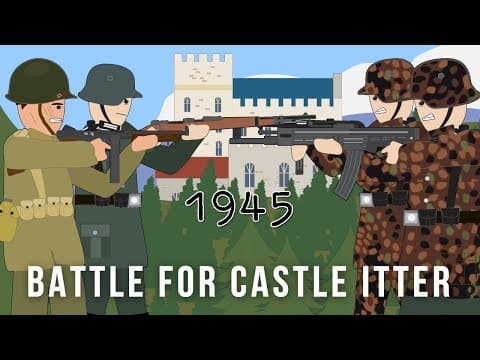
- 🍟 The Battle for Castle Itter is a unique example of American, German, and French forces temporarily joining together to defend against common enemies.
Install to Summarize YouTube Videos and Get Transcripts
Explore YouTube Video Summarizer or Get YouTube Transcript Extractor
Questions & Answers
Q: What motivated Hiroo Onoda to continue fighting after World War II ended?
Hiroo Onoda was motivated by his dogmatic militaristic indoctrination and a lack of awareness about the surrender of Japan in 1945. He believed his mission was to continue fighting until his superiors came back for him.
Q: How did Mad Jack Churchill earn his nickname?
Mad Jack Churchill earned his nickname for his unconventional tactics, including fighting with a longbow and a sword during World War II. He believed that every officer should carry a sword into battle.
Q: How did the soldiers in the Battle for Castle Itter manage to defend the castle and rescue the French VIP prisoners?
American soldiers, German defectors, and French prisoners of war joined forces to defend the castle against the attacking German SS forces. They successfully repelled the initial attack and later received reinforcements, allowing them to defeat the SS forces and rescue the prisoners.
Q: How did Douglas Bader continue to fly planes despite losing both his legs in an accident?
Despite losing both his legs, Bader learned to walk again with artificial legs. He was determined to fly and demonstrated his skills during training, convincing the RAF to give him a chance. He went on to become a successful flying ace and inspire others with his courage.
Summary & Key Takeaways
-
Onoda the Japanese soldier who didn't surrender until 1974: Hiroo Onoda was a Japanese intelligence officer who refused to surrender after World War II for several decades, motivated by his militaristic indoctrination and unawareness of the surrender.
-
Mad Jack, the man who fought with a longbow and a sword in World War II: John Malcolm Thorpe Fleming Churchill, also known as "Mad Jack," was a British soldier who fought with unconventional weapons such as a longbow and a sword during World War II.
-
The Battle for Castle Itter: In 1945, American soldiers, German defectors, and French prisoners of war joined forces to defend a castle in Austria against the attacking German SS forces and successfully rescued French VIP prisoners.
-
The Korean soldier fighting on D-Day: Young Kim Joon, a Korean conscript who fought for the Japanese and Soviet armies during World War II, was captured by US paratroopers after D-Day and became a prisoner of war.
-
Douglas Bader, the flying ace with no legs: Douglas Bader was a British pilot who continued to fly fighter planes in World War II despite losing both of his legs in a flying accident in 1931.
Read in Other Languages (beta)
Share This Summary 📚
Summarize YouTube Videos and Get Video Transcripts with 1-Click
Try YouTube Summary with ChatGPT & Claude or YouTube Transcript Generator
Explore More Summaries from Simple History 📚
Summarize YouTube Videos and Get Video Transcripts with 1-Click
Try YouTube Summary with ChatGPT & Claude or YouTube Transcript Generator