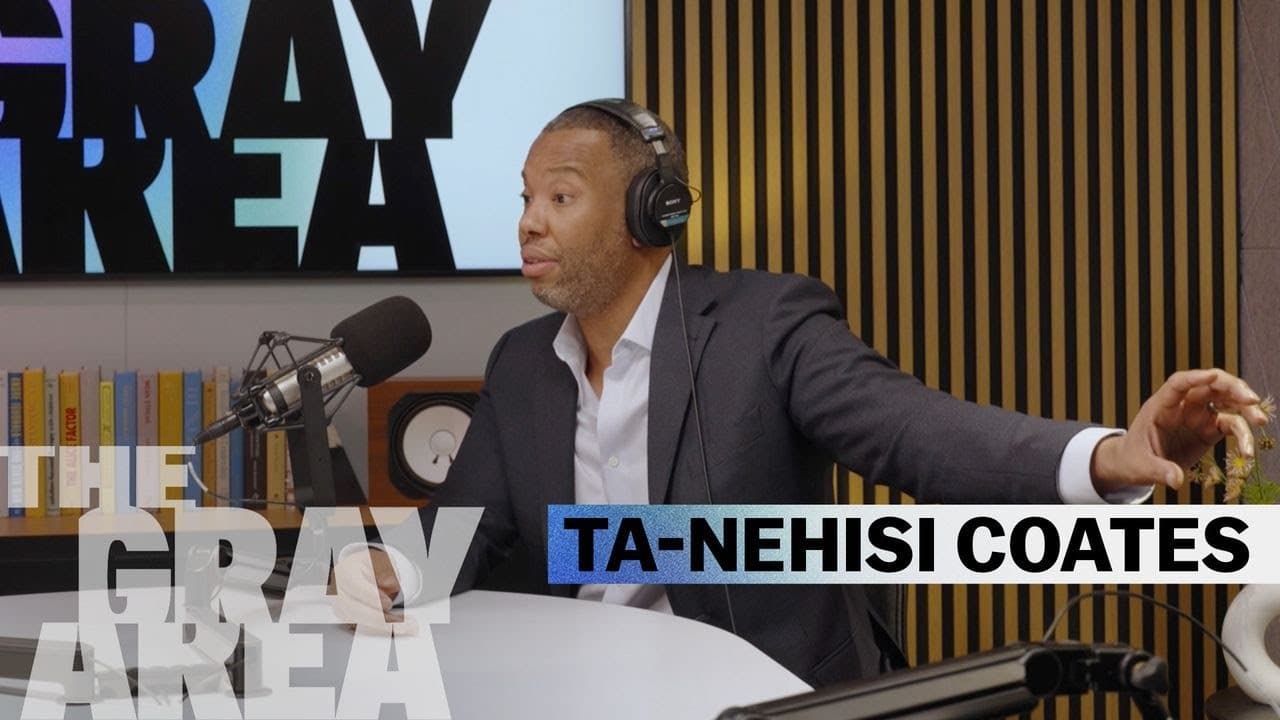
The Gray Area | Ta-Nehisi Coates on visiting Palestine
TL;DR
Ta-Nehisi Coates discusses moral clarity and complexity in storytelling.
Transcript
it's called the the gray area right for a reason right you know I and I'm giving you black and white I love that I mean this is this is this is this is the and this is what we're here for you know I it's it's called that because I think life is messy and complicated and the temptation to blot out complexity for the sake hold on now hold on Professo... Read More
Key Insights
- Ta-Nehisi Coates emphasizes the importance of understanding complexity in storytelling, warning against oversimplifying narratives for the sake of clarity.
- The discussion highlights the moral challenges in comparing historical and contemporary injustices, such as Jim Crow South and the Israeli-Palestinian conflict.
- Coates argues that discrimination based on race, ethnicity, or religion is never acceptable, advocating for a humanistic approach to global conflicts.
- The conversation delves into the role of media and journalism in shaping perceptions, critiquing the exclusion of Palestinian voices from mainstream narratives.
- Coates reflects on historical figures like Nat Turner, questioning the moral implications of violent resistance against systemic oppression.
- The dialogue explores the need for empathy and understanding of both Israeli and Palestinian experiences, urging firsthand engagement with the situation.
- Coates challenges the audience to consider the ethical responsibilities of supporting demographic projects like the state of Israel.
- The conversation calls for a broader moral imagination that extends empathy and understanding towards all affected parties in conflicts.
Install to Summarize YouTube Videos and Get Transcripts
Explore YouTube Video Summarizer or Get YouTube Transcript Extractor
Questions & Answers
Q: What is the main argument Ta-Nehisi Coates makes about storytelling?
Ta-Nehisi Coates argues that storytelling should embrace complexity rather than oversimplifying narratives for clarity. He believes that the temptation to simplify stories can be dangerous, as it often leads to a lack of understanding of the true intricacies of situations, particularly in historical and contemporary conflicts.
Q: How does Coates compare the Jim Crow South to the Israeli-Palestinian conflict?
Coates compares the Jim Crow South to the Israeli-Palestinian conflict by highlighting both as moral obscenities with their own complexities. He notes that while both situations are complicated, they differ in their nature. Coates emphasizes that discrimination based on race, ethnicity, or religion is never acceptable and advocates for a humanistic approach to these conflicts.
Q: What role does Coates believe media plays in shaping perceptions of conflicts?
Coates believes that media plays a significant role in shaping public perceptions of conflicts by often excluding certain perspectives, such as Palestinian voices in the Israeli-Palestinian conflict. He critiques journalism for dehumanizing people by not including their narratives, which can lead to a skewed understanding and hinder the search for solutions.
Q: Why does Coates reflect on the figure of Nat Turner?
Coates reflects on Nat Turner to explore the moral implications of violent resistance against systemic oppression. He raises questions about whether the complete degradation of one's life justifies taking the lives of others and challenges the audience to consider the complexity of moral judgments in historical contexts.
Q: What is Coates' stance on supporting demographic projects like the state of Israel?
Coates questions the ethical responsibilities of supporting demographic projects like the state of Israel. He argues that any project requiring discrimination based on ethnicity or religion is problematic and does not align with his humanistic values. Coates calls for a reevaluation of support for such projects in light of their moral implications.
Q: How does Coates suggest people should engage with the Israeli-Palestinian conflict?
Coates suggests that people should engage with the Israeli-Palestinian conflict by seeking firsthand experiences and understanding the perspectives of both Israelis and Palestinians. He believes that direct engagement can provide a more informed and empathetic understanding, which is crucial for developing effective solutions.
Q: What does Coates mean by 'moral imagination' in the context of conflicts?
By 'moral imagination,' Coates refers to the ability to extend empathy and understanding towards all affected parties in conflicts. He argues that a broader moral imagination is necessary to comprehend the complexities of situations like the Israeli-Palestinian conflict and to work towards solutions that respect the dignity of all individuals involved.
Q: What is Coates' critique of the current discourse around the Israeli-Palestinian conflict?
Coates critiques the current discourse around the Israeli-Palestinian conflict for its lack of inclusion of Palestinian voices and perspectives. He argues that the exclusion of these narratives leads to a one-sided understanding and prevents meaningful conversations about solutions. Coates calls for a more inclusive discourse that acknowledges the experiences and rights of all parties involved.
Summary & Key Takeaways
-
Ta-Nehisi Coates and Sean Illing discuss the complexities of storytelling and moral clarity, focusing on the Israeli-Palestinian conflict. Coates argues against oversimplifying narratives and emphasizes the importance of understanding the nuances of historical and contemporary injustices.
-
The conversation critiques the exclusion of Palestinian perspectives in media narratives, highlighting the role of journalism in shaping public perception. Coates stresses the need for empathy and firsthand engagement with the Israeli-Palestinian situation to develop a more informed understanding.
-
Coates reflects on historical figures like Nat Turner, exploring the moral implications of violent resistance against systemic oppression. He challenges the audience to consider the ethical responsibilities of supporting demographic projects and advocates for a humanistic approach to global conflicts.
Read in Other Languages (beta)
Share This Summary 📚
Summarize YouTube Videos and Get Video Transcripts with 1-Click
Try YouTube Summary with ChatGPT & Claude or YouTube Transcript Generator
Explore More Summaries from Vox 📚

Summarize YouTube Videos and Get Video Transcripts with 1-Click
Try YouTube Summary with ChatGPT & Claude or YouTube Transcript Generator