How Does Fasting Improve Women's Hormonal Health?
TL;DR
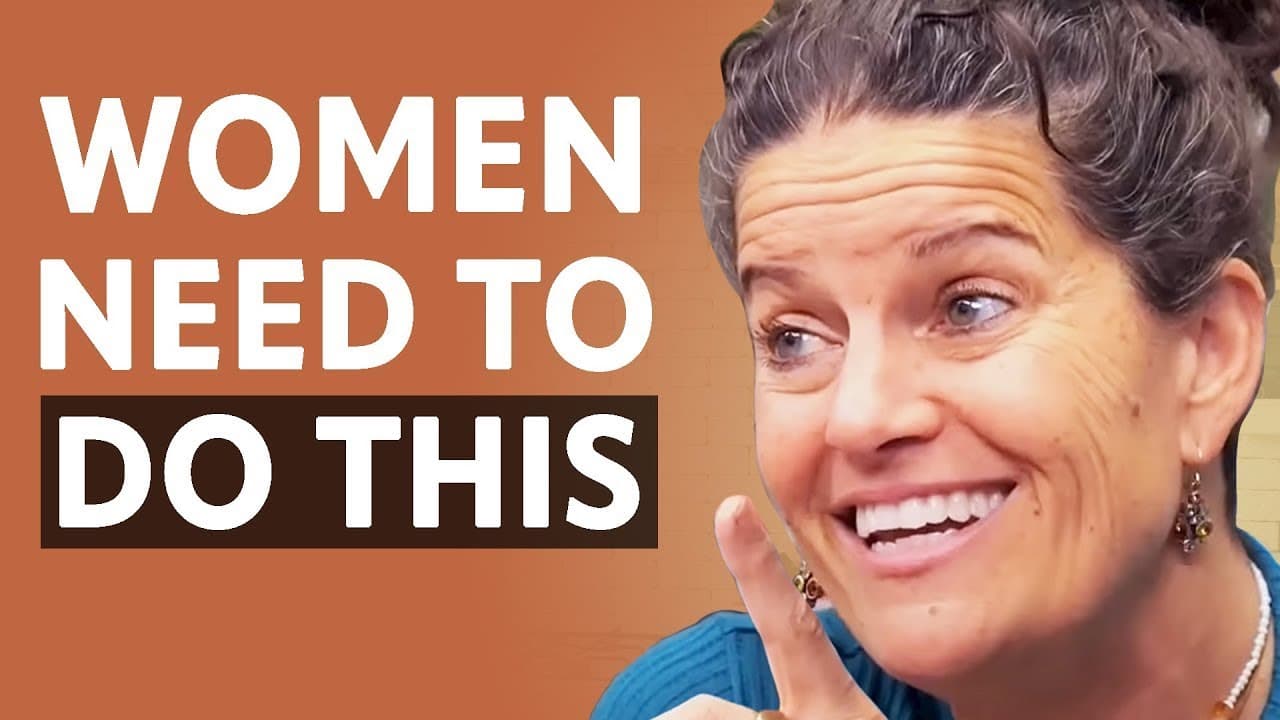
Fasting can significantly improve women's hormonal health by aligning fasting practices with their menstrual cycle. Timing fasts to coincide with hormonal fluctuations—such as extending fasts during the first half of the cycle and shortening them before menstruation—can help balance hormones and alleviate symptoms of conditions like PCOS and perimenopause. Lifestyle changes, personalized nutrition, and stress management further enhance the benefits of fasting.
Transcript
we are hormone illiterate it's really the lack of knowledge that has Us in the place that we are at as far as Women's Health gets it's really an unusual framework to think about managing hormones with fasting I think I think I sort of love to hear your perspective on that you've learned and how it works yeah I love this question because what I just... Read More
Key Insights
- 👩⚕️ Hormone illiteracy is a significant issue in women's health that leads to a lack of understanding about hormonal fluctuations and their impact on overall well-being.
- 🧑⚕️ Lifestyle changes and personalized approaches should be prioritized in managing hormonal imbalances, as they address the root causes and support long-term health.
- 🦮 The Dutch test, which assesses hormone levels, cortisol patterns, and detoxification pathways, is a valuable tool in understanding hormone balance and guiding personalized treatment plans.
- 🖐️ Lifestyle factors such as fasting, personalized nutrition, stress management, detox, and mindfulness can play a crucial role in hormone regulation and overall health.
Install to Summarize YouTube Videos and Get Transcripts
Explore YouTube Video Summarizer or Get YouTube Transcript Extractor
Questions & Answers
Q: How does fasting work to regulate hormones?
Fasting affects different energy systems in the body, stimulates autophagy, and resets the immune system and dopamine receptors. It can lead to hormone balance by promoting testosterone production, cleaning up senescent cells, and allowing the body to repair the hypothalamus, pituitary, and ovaries.
Q: Are there different types of fasting, and how do they differ?
There are six different types of fasting, including intermittent fasting (13-15 hours), autophagy fasting (17 hours), gut repair fasting (24 hours), fat burning fasting (36 hours), dopamine system reboot fasting (48 hours), and immune system reset fasting (72 hours). Each type has specific benefits and impacts on hormone regulation.
Q: Can prolonged fasts lead to muscle loss?
Prolonged fasts can result in temporary muscle breakdown, but refeeding with protein and other key nutrients can promote muscle growth and repair. It's essential to reintroduce food properly after a fast to support muscle development.
Q: How often should one engage in longer fasts, such as the 72-hour fast?
It is recommended to do a 72-hour fast twice a year to eliminate senescent cells, reset the immune system, and optimize hormone balance. However, the frequency may vary depending on individual needs and goals.
Summary & Key Takeaways
-
Fasting for women should be approached differently than for men, as women experience different hormonal fluctuations throughout their menstrual cycle. Women can benefit from timing their fasts and adjusting their eating patterns according to their cycle to balance hormones.
-
The fasting cycle, which involves different lengths of fasts at specific times during the menstrual cycle, can help regulate hormones and improve symptoms of conditions such as PCOS, perimenopause, and infertility.
-
The effectiveness of fasting in regulating hormones is due to its impact on different energy systems in the body, the stimulation of autophagy, and the resetting of the immune system and dopamine receptors.
-
The fasting cycle should be personalized based on individual hormone levels and needs, and the refeeding process is crucial for optimizing hormone balance and muscle growth.
Read in Other Languages (beta)
Share This Summary 📚
Summarize YouTube Videos and Get Video Transcripts with 1-Click
Try YouTube Summary with ChatGPT & Claude or YouTube Transcript Generator
Explore More Summaries from Mark Hyman, MD 📚

Summarize YouTube Videos and Get Video Transcripts with 1-Click
Try YouTube Summary with ChatGPT & Claude or YouTube Transcript Generator