The BIG MYTH Behind Heart Disease & What ACTUALLY CAUSES It! |Dr. Elizabeth Boham & Mark Hyman
TL;DR
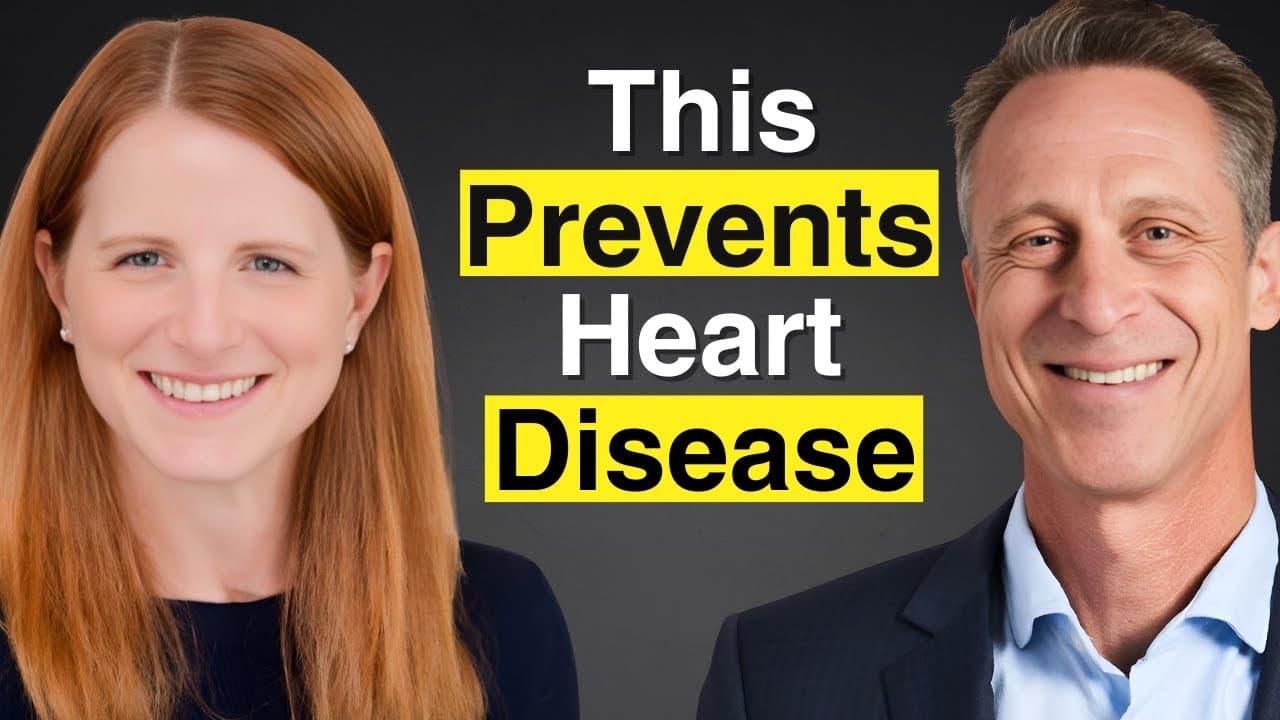
In this episode of the Doctor's Pharmacy, Dr. Mark Hyman and Dr. Elizabeth Boham discuss the truth about cholesterol and heart disease, questioning the widespread use of statins and highlighting the importance of personalized treatment.
Transcript
the reason we're really looking at cholesterol is because it's one factor that influences somebody's risk of cardiovascular disease right welcome to the doctor's pharmacy i'm dr mark hyman it's a special episode of the doctor's pharmacy called house call and this episode is with my friend and colleague dr elizabeth bowham and we're talking about ch... Read More
Key Insights
- 🔬 Cholesterol is just one factor that influences the risk of cardiovascular disease, not the sole determinant. Lifestyle factors such as diet and exercise play a significant role as well.
- 💊 Statins, the primary cholesterol-lowering drugs, are widely prescribed but come with both benefits and risks. Personalized care is important to determine the right treatment plan for each individual.
- 🌱 Lifestyle changes, such as adopting a low glycemic, low sugar, and low carbohydrate diet, can lead to significant improvements in cholesterol levels and overall heart health.
- 🧬 Genetic factors can impact cholesterol levels and should be considered when designing a treatment plan.
- ❌ Looking only at total cholesterol numbers is insufficient. Comprehensive testing, such as NMR LipoProfile, can provide valuable insights into particle size, insulin resistance, and oxidative stress.
- 🥦 Plant-based proteins, like beans, legumes, nuts, and seeds, can help lower LDL cholesterol due to their high content of phytosterols.
- 💡 Inflammation and oxidative stress, driven by factors like diet, excess weight, and toxins, contribute significantly to the formation of plaque and heart disease risk.
- 🌿 Personalized approaches are crucial in functional medicine to address the specific needs of each individual. A one-size-fits-all solution is inadequate for managing cholesterol and heart disease risk.
Install to Summarize YouTube Videos and Get Transcripts
Explore YouTube Video Summarizer or Get YouTube Transcript Extractor
Questions & Answers
Q: What percentage of people in the US and Europe have elevated cholesterol? How does this impact their risk of cardiovascular disease?
It is estimated that 50% of people in the US and Europe, and 40% worldwide, have elevated cholesterol. However, not all individuals with elevated cholesterol need medication to lower their levels. Cholesterol is just one factor that influences cardiovascular disease risk, and its significance varies among individuals.
Q: What are some lifestyle and dietary factors that impact cholesterol levels and overall cardiovascular health?
Lifestyle factors, such as excessive weight around the belly, poor diet (high in carbohydrates, sugar, and processed foods), and certain genetic conditions, can impact cholesterol levels and increase the risk of cardiovascular disease. Consuming a lower glycemic diet, reducing carbohydrate and sugar intake, incorporating plant sterols found in beans and legumes, and increasing omega-3 fats can help improve cholesterol levels and decrease inflammation.
Q: How do oxidative stress and inflammation contribute to heart disease, and how can they be managed?
Oxidative stress and inflammation play significant roles in the development of heart disease. Factors such as excess belly fat, high blood pressure, poor diet, toxins (like heavy metals), and even gingivitis can increase oxidative stress and inflammation in the body. Lifestyle modifications, such as improving diet, maintaining a healthy weight, reducing exposure to toxins, and adequate antioxidant intake, can help manage oxidative stress and inflammation and reduce the risk of heart disease.
Q: How can functional medicine offer a more personalized approach to managing cholesterol and heart disease risk?
Functional medicine takes a deeper dive into an individual's history, family background, and overall health to assess their unique risk factors for heart disease. It utilizes specialized diagnostic tests, such as particle size testing, oxidative stress markers, and assessment of insulin resistance, to gather a more comprehensive picture of cardiovascular health. Based on these findings, personalized lifestyle interventions, including nutrition, exercise, stress management, and supplements, can be recommended to reduce the risk of heart disease.
Summary & Key Takeaways
-
Cholesterol is just one factor that influences an individual's risk of cardiovascular disease, and it is not the most important factor for everyone.
-
For individuals with extremely high cholesterol levels, there is a greater association with vascular disease and increased risk of heart attacks or strokes.
-
Traditional cholesterol tests often overlook important factors such as particle size and oxidative stress, which impact cardiovascular health.
-
Personalized treatment and lifestyle modifications, such as dietary changes and reducing inflammation, play a crucial role in managing cholesterol and heart disease risk.
Read in Other Languages (beta)
Share This Summary 📚
Summarize YouTube Videos and Get Video Transcripts with 1-Click
Try YouTube Summary with ChatGPT & Claude or YouTube Transcript Generator
Explore More Summaries from Mark Hyman, MD 📚





Summarize YouTube Videos and Get Video Transcripts with 1-Click
Try YouTube Summary with ChatGPT & Claude or YouTube Transcript Generator