How heavy metal and Satan gave us this sticker
TL;DR
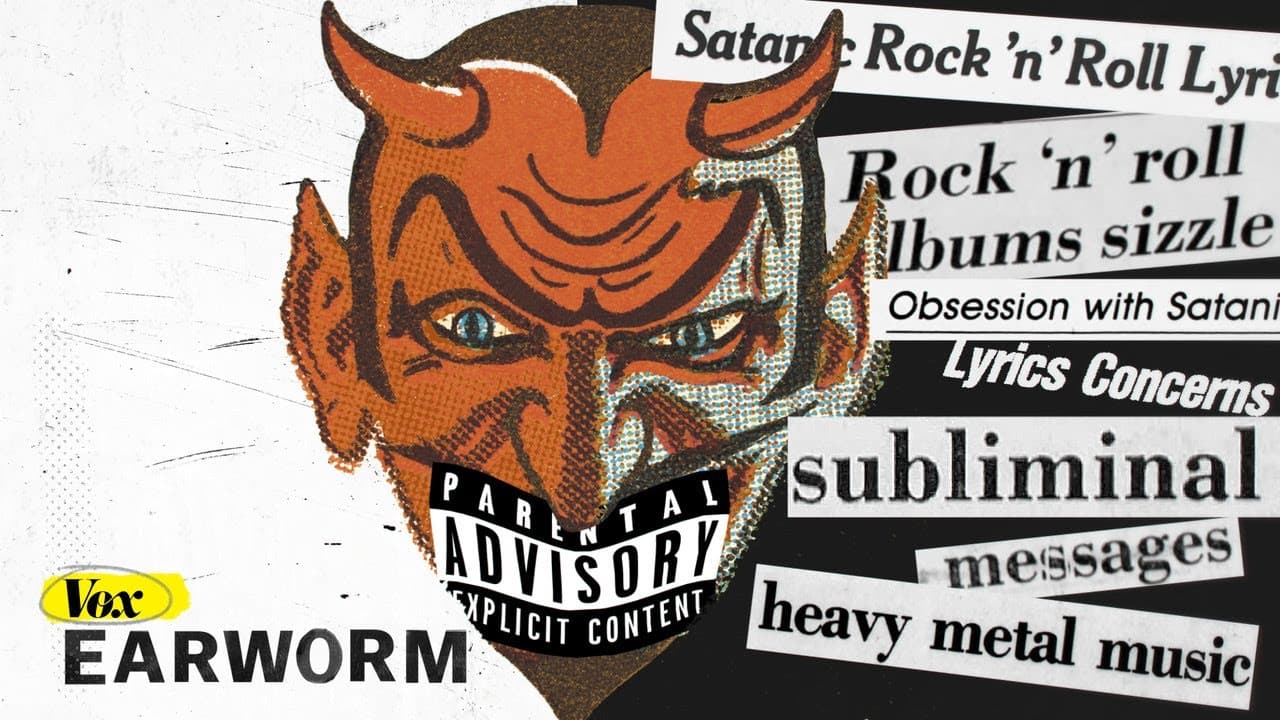
Heavy metal and Satan influenced the explicit lyrics sticker.
Transcript
On September 19, 1985, a congressional hearing about rock music lyrics captured the nation's attention. Over the course of 5 hours, a music expert, a reverend, a group of parents, and quite a few deeply horrified politicians publicly reprimanded the music industry for their lack of morals. This is Democratic Sen. Fritz Hollings Hollings: But in all... Read More
Key Insights
- The PMRC, led by politicians' wives, pushed for music censorship, targeting explicit lyrics and heavy metal's influence on youth.
- Heavy metal's rise in the 1980s coincided with the religious right's influence, leading to accusations of Satanism in music.
- The explicit lyrics sticker emerged from debates over music's impact on youth, especially regarding themes of sex, violence, and the occult.
- Musicians like Frank Zappa, Dee Snider, and John Denver defended artistic freedom and criticized censorship efforts.
- The sticker, intended as a warning, led to unintended consequences like album modifications and retail restrictions.
- Backmasking, the idea of hidden messages in music, fueled fears of subliminal Satanic influences, despite lacking evidence.
- The rise of MTV and cable TV in suburban areas amplified heavy metal's reach, making it a focal point for cultural debates.
- Despite initial controversies, the explicit lyrics sticker became a standard in the music industry, reflecting ongoing tensions over censorship.
Install to Summarize YouTube Videos and Get Transcripts
Explore YouTube Video Summarizer or Get YouTube Transcript Extractor
Questions & Answers
Q: What was the PMRC's main goal in the 1980s?
The PMRC, led by the wives of Washington politicians, aimed to introduce a rating system for music to signify potentially harmful content. They were particularly concerned with explicit lyrics in rock and heavy metal music, which they believed negatively influenced youth. Their efforts led to the creation of the explicit lyrics sticker.
Q: How did heavy metal music become associated with Satanism?
Heavy metal's association with Satanism stemmed from its dark aesthetic and lyrical themes, which often referenced the occult and rebellion. This, combined with the rise of the religious right in the 1980s, led to accusations of Satanic influence. Evangelical groups and televangelists amplified these claims, despite lacking concrete evidence.
Q: What role did MTV play in the rise of heavy metal?
MTV, launched in 1981, played a significant role in popularizing heavy metal by broadcasting music videos to a wide audience. Its core demographic of suburban, white teenage boys became avid viewers, making heavy metal a mainstream genre. The visual and musical style of heavy metal captivated this audience, fueling its explosive growth.
Q: What were the unintended consequences of the explicit lyrics sticker?
The explicit lyrics sticker, while intended to warn parents, led to unintended consequences such as album modifications and retail restrictions. Retailers like Wal-Mart refused to stock albums with the sticker, prompting record labels to create censored versions. This raised concerns about artistic freedom and the broader implications of censorship.
Q: How did musicians respond to the PMRC's censorship efforts?
Musicians like Frank Zappa, Dee Snider, and John Denver vocally opposed the PMRC's censorship efforts, defending artistic freedom and the importance of free speech. They argued that music should not be blamed for societal issues and that parents should take responsibility for monitoring their children's exposure to content.
Q: What was backmasking, and why did it cause concern?
Backmasking was the idea that hidden messages could be heard when playing a record backwards, supposedly influencing listeners subliminally. Evangelical groups claimed these messages promoted Satanism, causing public concern. However, these claims were largely unfounded, often requiring prior suggestion to 'hear' the messages, making them more of a cultural curiosity than a real threat.
Q: How did the explicit lyrics sticker affect the music industry?
The explicit lyrics sticker affected the music industry by influencing how albums were marketed and sold. Retailers like Wal-Mart refused to stock albums with the sticker, leading labels to produce censored versions. This raised debates about censorship, artistic expression, and the balance between protecting youth and preserving creative freedom.
Q: What broader societal issues were linked to the debate over rock music?
The debate over rock music was linked to broader societal issues such as youth suicide, family dynamics, and cultural shifts. Critics blamed music for negative influences on youth, while others argued that societal factors like family breakups, drug abuse, and economic challenges were more significant contributors to youth distress and behavior.
Summary & Key Takeaways
-
In 1985, the PMRC, led by politicians' wives, sought to censor explicit music lyrics, especially targeting heavy metal. This led to a congressional hearing where musicians defended free speech. The explicit lyrics sticker emerged as a compromise, though it sparked further debates on censorship and artistic freedom.
-
Heavy metal's popularity in the 1980s, fueled by MTV, clashed with the religious right's growing influence. Accusations of Satanism and subliminal messages in rock music intensified the cultural debate, leading to the creation of the explicit lyrics sticker to warn parents of potentially harmful content.
-
The explicit lyrics sticker, now a common sight, originated from cultural clashes over music's influence on youth. While intended to protect, it raised issues of censorship and artistic expression. Musicians and advocates argued for personal responsibility, highlighting the broader societal factors affecting youth behavior.
Read in Other Languages (beta)
Share This Summary 📚
Summarize YouTube Videos and Get Video Transcripts with 1-Click
Try YouTube Summary with ChatGPT & Claude or YouTube Transcript Generator
Explore More Summaries from Vox 📚

Summarize YouTube Videos and Get Video Transcripts with 1-Click
Try YouTube Summary with ChatGPT & Claude or YouTube Transcript Generator