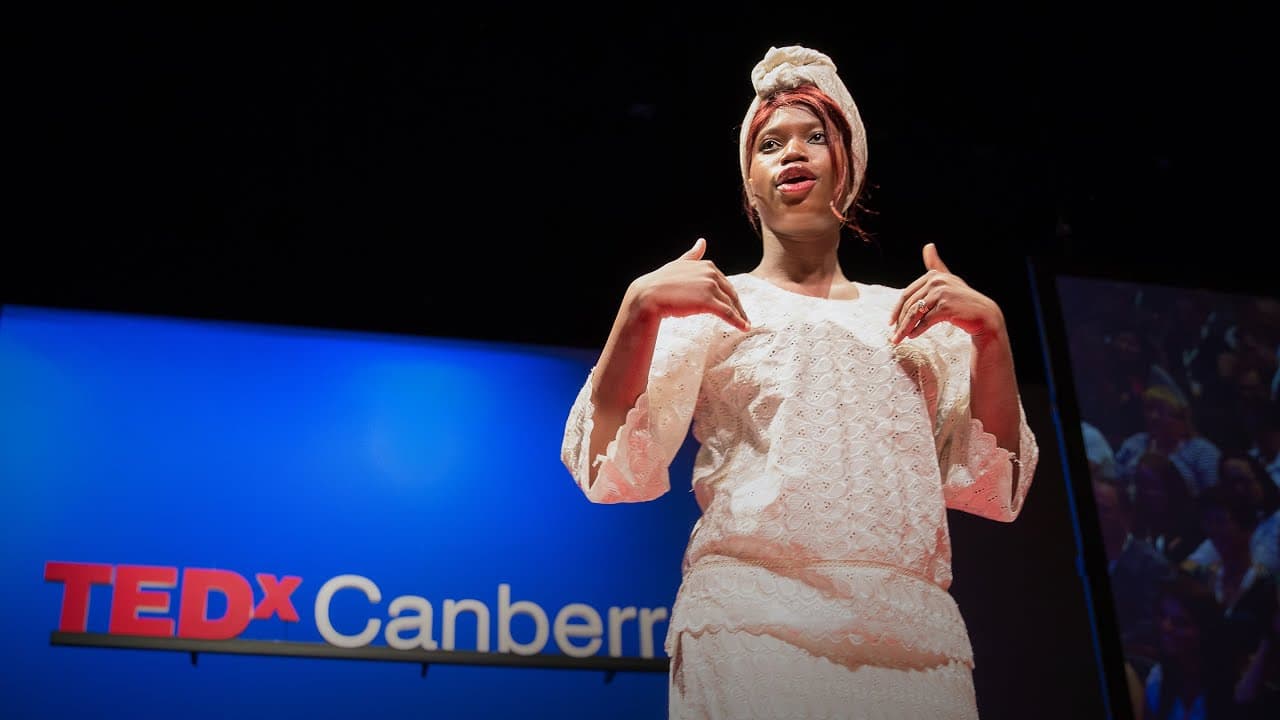
Khadija Gbla: My mother’s strange definition of empowerment TED
TL;DR
In this powerful and emotional speech, Khadija Gbla shares her personal journey with female genital mutilation and calls for action to end this harmful practice.
Transcript
Hi. Today I'm going to share my personal journey with female genital mutilation, FGM. Feel free to cry, laugh, cross your legs, or do anything your body feels like doing. I'm not going to name the things your body does. I was born in Sierra Leone. Did anybody watch "Blood Diamond"? If you have any thoughts -- I don't have any diamonds on me, by th... Read More
Key Insights
- 🌍 Female genital mutilation (FGM) is a widespread issue in various parts of the world, including Sierra Leone, Gambia, and Australia.
- 😢 The speaker describes her personal experience with FGM, which involved being forcibly cut by an older woman in a hut, causing extreme pain, confusion, and trauma.
- 👥 FGM is not limited to specific cultures or regions, as its practice has extended to multicultural societies like Australia, London, and America.
- 💔 FGM is considered a form of child abuse and violence against women, as it denies them sexual pleasure and autonomy over their own bodies.
- 🔒 FGM is often done out of cultural tradition or for the purpose of controlling women's sexuality.
- 🚫 FGM can have long-lasting physical and emotional effects, such as painful periods, infertility, and feelings of incompleteness or alienation.
- 🌎 FGM is an issue that requires collective action and awareness, as children and women from various backgrounds are at risk, and everyone has a role to play in ending this harmful practice.
- 💪 The speaker urges individuals to support the movement against FGM by signing her petition on Change.org and advocating for the rights and protection of girls and women.
Install to Summarize YouTube Videos and Get Transcripts
Explore YouTube Video Summarizer or Get YouTube Transcript Extractor
Questions & Answers
Q: What is the speaker's personal journey with female genital mutilation (FGM)?
The speaker was born in Sierra Leone and at the age of three, had FGM performed on her without her understanding of what was happening.
Q: How did the speaker's mother justify the practice of FGM?
The speaker's mother believed that FGM was done for the girl's own good, to prevent itching and promiscuity.
Q: What impact did FGM have on the speaker's sense of her own womanhood?
The speaker felt incomplete and questioned whether she would be asexual due to the procedure. She also felt anger that she was not like other women who experienced pleasure during sex.
Q: What is the speaker's current advocacy work regarding FGM?
The speaker is the director of an organization called No FGM Australia, with the aim of raising awareness about the issue and advocating for an end to the practice.
Summary & Key Takeaways
-
The speaker shares her personal experience with female genital mutilation (FGM), including the traumatic procedure she underwent in Sierra Leone as a child.
-
She highlights the prevalence of FGM in various countries, including Australia, and emphasizes the need for awareness and action to prevent this form of child abuse.
-
The speaker discusses the physical and emotional consequences of FGM, including pain, infertility, and the denial of sexual pleasure, and calls for support in her efforts to end the practice.
Read in Other Languages (beta)
Share This Summary 📚
Summarize YouTube Videos and Get Video Transcripts with 1-Click
Try YouTube Summary with ChatGPT & Claude or YouTube Transcript Generator
Explore More Summaries from TED 📚

Summarize YouTube Videos and Get Video Transcripts with 1-Click
Try YouTube Summary with ChatGPT & Claude or YouTube Transcript Generator