The YouTube Revolution in Knowledge Transfer
TL;DR
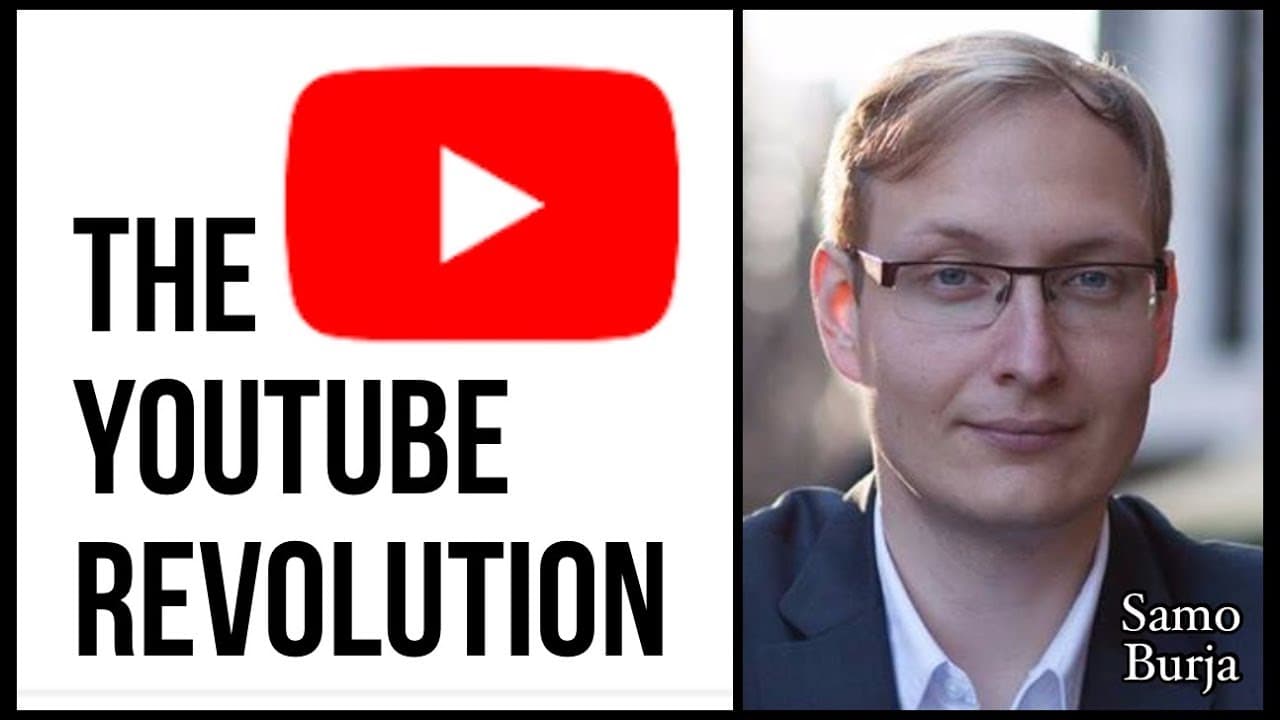
Olympic athlete Yuli Agu learned javelin throwing techniques through YouTube videos, highlighting the potential of online platforms in sharing tacit knowledge and fine motor skills.
Transcript
Yuli ago won silver in javelin throwing in the 2016 Olympics in Rio de Janeiro he only had the benefit of six months of professional coaching how is that possible the answer lies in YouTube he had been watching videos of Andres Thorkelson a Norwegian javelin thrower for years before he mimicked the fine motions as best as he could correct it record... Read More
Key Insights
- ✊ YouTube videos have the power to transfer tacit knowledge and practical skills effectively, as demonstrated by Yuli Agu's success in learning javelin throwing techniques.
- 🎥 Cheap high-quality cameras, broadband internet, search engines, and portable screens are crucial factors enabling easy access to instructional videos.
- 💗 The demand for how-to content on YouTube is significantly growing, indicating a shift towards visual learning preferences.
- 👨🔬 The incorporation of videos in academia and scientific research could facilitate replication and improve knowledge transfer.
Install to Summarize YouTube Videos and Get Transcripts
Explore YouTube Video Summarizer or Get YouTube Transcript Extractor
Questions & Answers
Q: How did Yuli Agu learn javelin throwing techniques with only six months of coaching?
Yuli learned by watching YouTube videos of Andres Thorkelson, studying his fine motions and mimicking them. He recorded himself, analyzed the recordings, and repeated the process to transfer tacit knowledge and refine his skills.
Q: What are the four crucial factors that enabled Yuli to access these videos?
The four factors are the wide availability of cheap high-quality cameras, broadband internet allowing easy access, search engines to find relevant content, and portable screens that enable learning while working.
Q: Why has the demand for how-to content on YouTube grown significantly?
Young people today prefer searching for practical information on YouTube instead of Google. The visual nature of videos allows for easier learning and understanding, leading to the platform's popularity.
Q: Why haven't academia and research institutions utilized videos more in knowledge transfer?
The traditional perception of intellectual excellence has been tied to written and explicate knowledge. However, the potential value of tacit and unstated knowledge is evident. The Journal of Visualized Experiments (JoVE) is an example of efforts to bridge academia and video-based experimentation replication.
Summary & Key Takeaways
-
Yuli Agu won a silver medal in javelin throwing with only six months of professional coaching, crediting YouTube videos of Norwegian thrower Andres Thorkelson for his success.
-
Four crucial factors enabled Yuli to access and learn from these videos: the availability of cheap high-quality cameras, broadband internet, search engines, and portable screens.
-
The demand for how-to content on YouTube has grown significantly, and there is potential for academic science to utilize videos to facilitate knowledge transfer and experimentation replication.
Read in Other Languages (beta)
Share This Summary 📚
Summarize YouTube Videos and Get Video Transcripts with 1-Click
Try YouTube Summary with ChatGPT & Claude or YouTube Transcript Generator
Explore More Summaries from Samo Burja 📚




Summarize YouTube Videos and Get Video Transcripts with 1-Click
Try YouTube Summary with ChatGPT & Claude or YouTube Transcript Generator