How beauty brands failed women of color
TL;DR
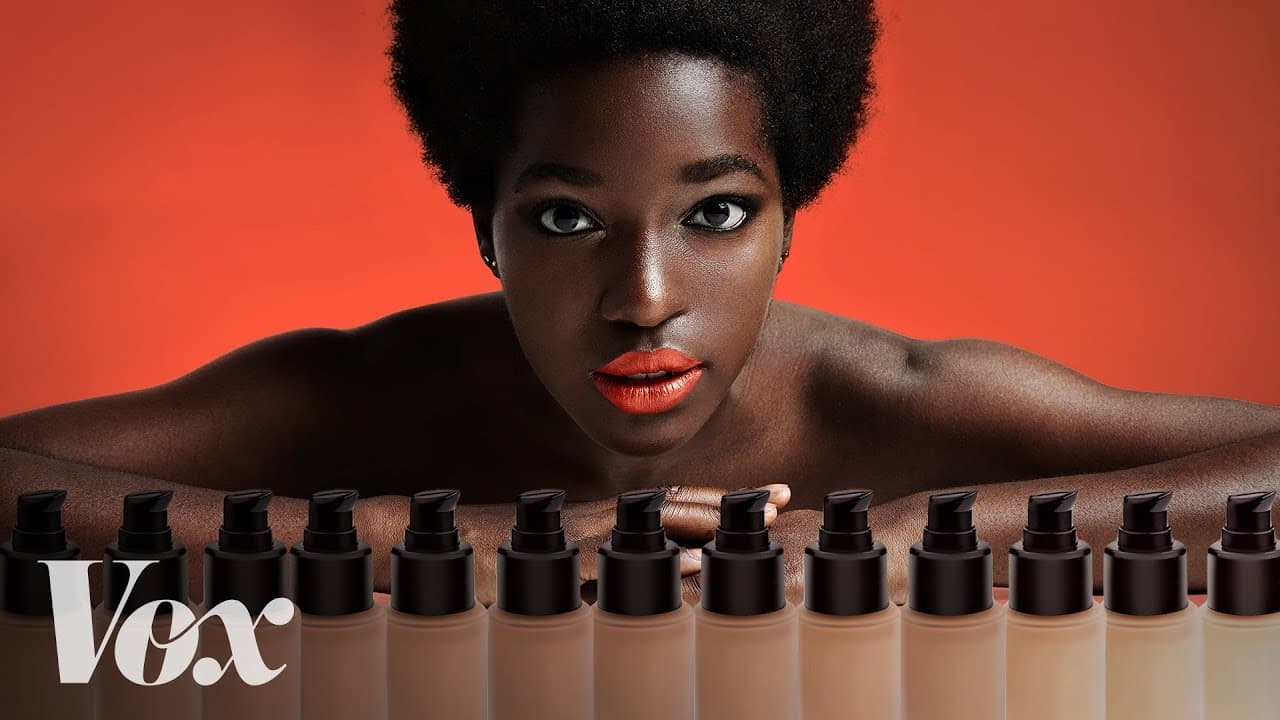
Fenty Beauty challenges beauty industry norms with inclusive foundation shades.
Transcript
Anyone into makeup — following Instagram beauty influencers, or just watching a bunch of YouTube tutorials knows that Rihanna’s makeup line, Fenty Beauty, is blowing up. It dropped during New York Fashion Week in September of this year and since then the color-poppin' highlighters, matchstixs, and lip gloss have created a buzz on social media. But ... Read More
Key Insights
- Fenty Beauty, launched by Rihanna, offers 40 foundation shades, highlighting the beauty industry's historical neglect of women of color.
- The success of Fenty Beauty underscores the profitability of inclusive product lines, challenging the industry's traditional focus on lighter skin tones.
- Though not the first to offer diverse shades, Fenty Beauty's impact is significant, highlighting previous failed attempts by mainstream brands to achieve inclusivity.
- Makeup artist Tasha Brown emphasizes that understanding undertones is key to matching deeper skin tones, a process not inherently difficult.
- Product development for deeper shades isn't complex; it involves adjusting pigment ratios, yet many brands have historically failed to provide these options.
- The beauty industry has a history of catering to narrow beauty ideals, often excluding women of color due to fears of brand damage.
- Independent beauty brands have successfully filled gaps left by mainstream companies, often utilizing social media for marketing.
- Social media has transformed the beauty industry, allowing influencers to engage directly with audiences, bypassing traditional advertising methods.
Install to Summarize YouTube Videos and Get Transcripts
Explore YouTube Video Summarizer or Get YouTube Transcript Extractor
Questions & Answers
Q: Why is Fenty Beauty considered revolutionary in the beauty industry?
Fenty Beauty is considered revolutionary because it launched with 40 foundation shades, addressing a long-standing issue in the beauty industry where women of color were often neglected. This inclusivity has challenged industry norms, proving that there is a profitable market for diverse skin tones, and prompting other brands to reevaluate their product offerings.
Q: How does Fenty Beauty's approach differ from previous attempts at inclusivity?
Fenty Beauty's approach differs as it successfully provides a wide range of foundation shades that cater to diverse skin tones, particularly for women of color. Unlike previous brands that offered limited options, Fenty Beauty's comprehensive shade range has set a new standard for inclusivity, making it a standout in the industry and highlighting the profitability of such diversity.
Q: What challenges do mainstream beauty brands face in achieving inclusivity?
Mainstream beauty brands face challenges in achieving inclusivity due to entrenched beauty ideals that prioritize lighter skin tones. Additionally, there is a misconception that creating products for deeper skin tones is complex. However, the primary issue lies in the reluctance to invest in diverse product lines, fearing potential brand damage or loss of perceived glamour.
Q: Why is product development for deeper shades not as difficult as some brands claim?
Product development for deeper shades is not inherently difficult because it involves adjusting the ratios of existing pigments, such as titanium dioxide and iron oxides, to achieve darker colors. The basic formulation remains the same, indicating that the challenge is more about willingness and understanding rather than technical complexity.
Q: How have independent beauty brands succeeded where mainstream brands have not?
Independent beauty brands have succeeded by focusing on inclusivity and utilizing social media to reach their audience. They have filled gaps left by mainstream brands by offering diverse product lines that cater to underrepresented consumers. Their direct engagement with consumers through platforms like Instagram has allowed them to build strong, loyal followings.
Q: What role does social media play in the beauty industry's transformation?
Social media plays a crucial role in the beauty industry's transformation by allowing influencers and independent brands to engage directly with consumers. This bypasses traditional advertising methods, creating a more intimate and authentic connection. Social media has empowered consumers to demand more inclusivity and transparency, influencing industry standards and practices.
Q: What historical factors have contributed to the beauty industry's narrow focus?
The beauty industry's narrow focus is historically rooted in racial biases and narrow beauty ideals that prioritize lighter skin tones. This exclusionary approach stems from fears that associating brands with darker skin tones could damage their image. These biases have persisted despite growing consumer demand for more inclusive and representative products.
Q: How did the 'Black is Beautiful' movement impact the beauty industry?
The 'Black is Beautiful' movement of the 1970s challenged prevailing beauty standards by celebrating blackness and instilling racial pride. It prompted the beauty industry to begin offering a wider range of products for black women, often driven by black-owned companies. This movement laid the groundwork for future efforts toward inclusivity in the industry.
Summary & Key Takeaways
-
Rihanna's Fenty Beauty offers 40 foundation shades, challenging the beauty industry's historical neglect of women of color. Its success demonstrates the profitability of inclusivity, prompting questions about why other brands have failed to achieve similar success.
-
While previous brands attempted inclusivity, Fenty Beauty's impact is notable. Makeup artist Tasha Brown highlights that understanding undertones is key to matching deeper skin tones, a process not inherently difficult, yet often overlooked by major brands.
-
The beauty industry's narrow ideals have historically excluded women of color. Independent brands have filled gaps left by mainstream companies, utilizing social media for marketing and engaging directly with consumers, transforming traditional advertising methods.
Read in Other Languages (beta)
Share This Summary 📚
Summarize YouTube Videos and Get Video Transcripts with 1-Click
Try YouTube Summary with ChatGPT & Claude or YouTube Transcript Generator
Explore More Summaries from Vox 📚




Summarize YouTube Videos and Get Video Transcripts with 1-Click
Try YouTube Summary with ChatGPT & Claude or YouTube Transcript Generator