A story of blue
TL;DR
The history and discovery of blue pigments, particularly ultramarine and Prussian blue, are explored.
Transcript
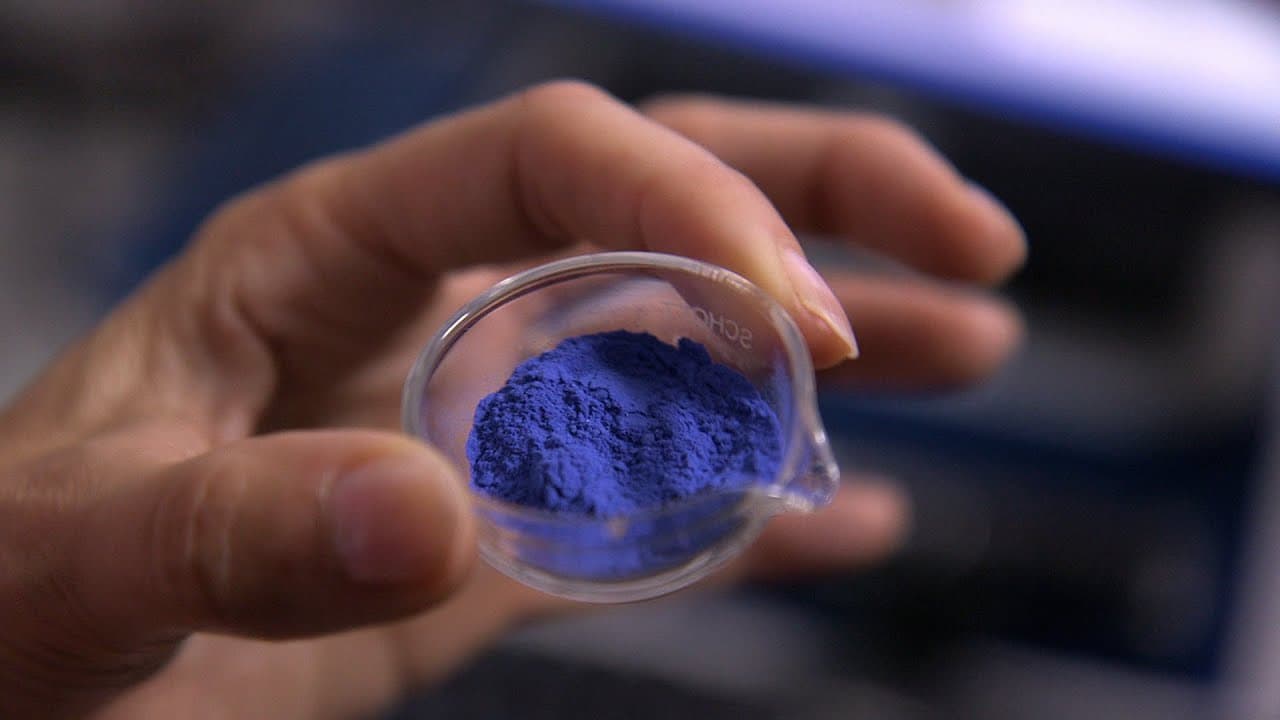
Blue has always been a sort of problem fluorescent way because they're not a great many natural materials that are available that are blue in color and serve as pigments there is a very fine and precious blue which is available from the semi precious stone core that is lazuli the yields of pigment called the ultramarine a particularly striking exam... Read More
Key Insights
- 🥺 The rarity of blue pigments in nature led to a long history of artistic reliance on limited sources, with lapis lazuli as the primary material.
- 🔬 The extraction processes developed for lapis lazuli highlight the labor-intensive methods of pigment preparation before the advent of synthetic alternatives.
- 💙 Prussian blue's serendipitous discovery represented a significant shift from natural to synthetic pigments, ushering in a new era for artists.
- 🥰 The success of synthetic ultramarine demonstrated the intersection of art and science, paving the way for further developments in color production.
- 😀 Historical artists faced challenges in achieving true blue hues, influencing the aesthetic choices in their works.
- 🙈 Advances in chemical analysis transformed the understanding of pigments, enhancing the ability to replicate colors previously seen as unattainable.
- 🥰 The commercial success of synthetic ultramarine in the 19th century reflects a shift towards industrialization in the art supplies market.
Install to Summarize YouTube Videos and Get Transcripts
Explore YouTube Video Summarizer or Get YouTube Transcript Extractor
Questions & Answers
Q: Why has blue been considered a problematic color to produce?
Blue pigments have historically posed challenges due to the scarcity of natural materials that yield vibrant blue hues. Among the few available sources, lapis lazuli was the most significant, but obtaining its pigment required complex extraction processes, limiting its use in art. This scarcity made blue a precious and often expensive color for artists.
Q: What was the extraction process for ultramarine like in the 12th century?
The extraction of ultramarine in the 12th century involved grinding lapis lazuli with wax, mastic, and pine turpentine, followed by washing the mixture with lye. This labor-intensive method allowed artists to obtain the fine blue pigment, highlighting the considerable effort required to produce one of the most admired shades of blue in art history.
Q: How did the discovery of Prussian blue alter the landscape of blue pigments?
The accidental discovery of Prussian blue in the early 18th century by alchemist Johann Jacob Diesbach marked a turning point in pigment production. As the first synthetic blue, its introduction provided artists with a vibrant, stable alternative to natural blues, eventually allowing for mass production and setting the stage for chemical innovations in pigment manufacturing.
Q: What advancements in chemistry facilitated the production of synthetic ultramarine?
Advances in quantitative chemical analysis in the early 19th century enabled chemists to understand the complex structure of natural ultramarine. By 1826, they successfully synthesized a stable version of ultramarine, and by 1828, manufacturing methods were published, allowing for large-scale production and making this sought-after pigment more accessible.
Summary & Key Takeaways
-
Blue pigments have been historically challenging to produce due to the limited natural sources, with ultramarine being derived from the semi-precious stone lapis lazuli, primarily sourced from Afghanistan.
-
The extraction process for ultramarine was discovered in the 12th century, utilizing a mixture of wax and other substances to yield a high-quality blue pigment, establishing its historical significance in art.
-
The introduction of synthetic pigments, notably Prussian blue in the 18th century, marked a revolutionary shift in the availability and quality of blue hues, leading to mass production and further advancements in coloration methods.
Read in Other Languages (beta)
Share This Summary 📚
Summarize YouTube Videos and Get Video Transcripts with 1-Click
Try YouTube Summary with ChatGPT & Claude or YouTube Transcript Generator
Explore More Summaries from nature video 📚




Summarize YouTube Videos and Get Video Transcripts with 1-Click
Try YouTube Summary with ChatGPT & Claude or YouTube Transcript Generator