The buzz about pesticides - by Nature Video
TL;DR
Bees are declining due to pesticides and diseases, affecting pollination and ecosystems.
Transcript
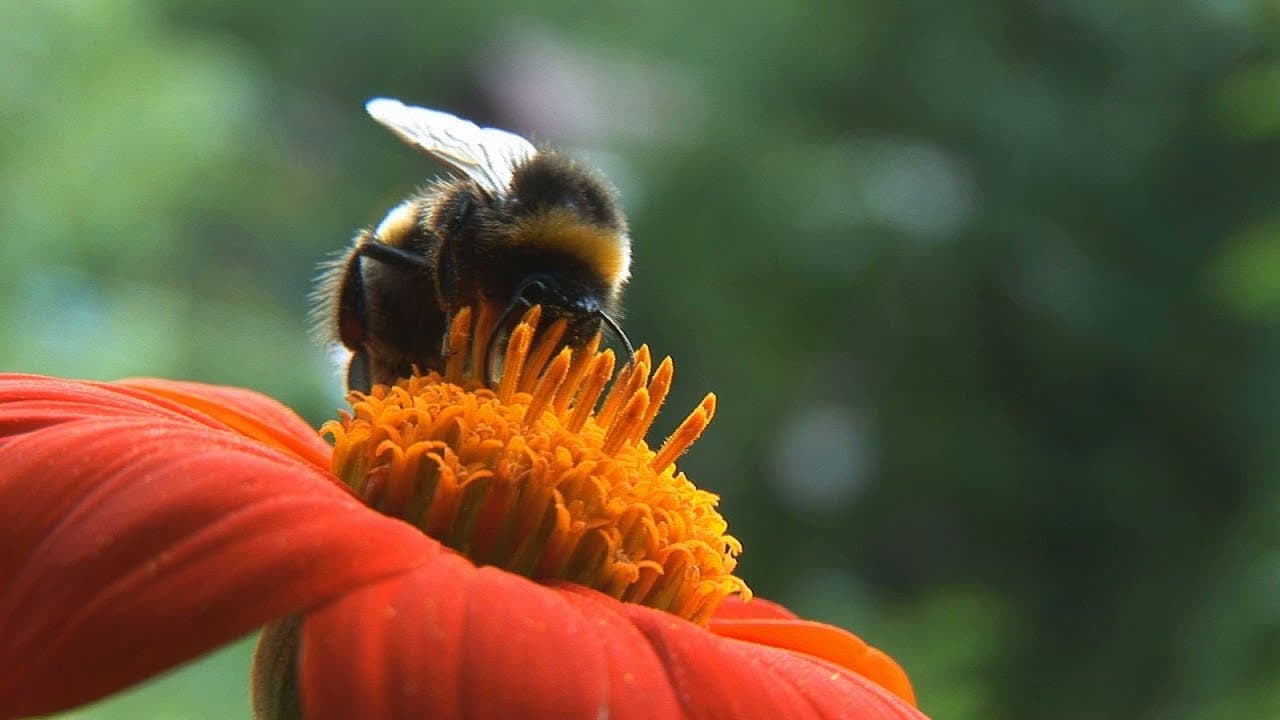
all over the world bee populations are decreasing it's a worrying Trend because bees are the most important pollinators of many wild flowers and agricultural crops disease may be causing some colonies to collapse but Recent research shows that chemicals in pesticides are also harming honeybees and this is backed up by a new study on bumblebees at L... Read More
Key Insights
- 🧑🏭 Bee populations globally are experiencing a worrying decline due to multiple factors including pesticides and diseases.
- 😘 Chronic low-level pesticide exposure has notable negative impacts on the foraging behavior and efficiency of individual bees.
- 🐝 The interconnection between individual bee health and overall colony performance highlights the need for a comprehensive understanding of factors affecting bees.
- 😘 Current pesticide regulations emphasize lethal dosages, neglecting the potential behavioral impacts of lower exposure.
- 🖐️ Bees play a crucial role in pollination, making their health vital for maintaining biodiversity and agricultural productivity.
- 👨🔬 Research findings reveal that multiple pesticides affect bees, indicating a broader threat to their populations.
- 🐝 Ongoing studies are essential to understand the full impact of various pesticides on bee behavior and ecosystem integrity.
Install to Summarize YouTube Videos and Get Transcripts
Explore YouTube Video Summarizer or Get YouTube Transcript Extractor
Questions & Answers
Q: What factors are contributing to the decline of bee populations?
Bee populations are primarily declining due to diseases and exposure to pesticides, notably neonicotinoids and pyrethroids. These chemicals hinder their foraging abilities and overall health, which, in turn, impacts pollination efforts critical to agriculture and wild plants alike.
Q: How does the research at London's Royal Holloway University enhance our understanding of pesticide effects on bees?
The research examines the effects of chronic exposure to multiple pesticides on honeybees. By tracking individual bees' foraging behaviors in a natural setting, the study reveals how these low-dose exposures lead to poorer foraging performances and thrive issues at the colony level.
Q: What were the findings regarding the behavior of bees exposed to pesticides?
Bees exposed to neonicotinoids displayed increased foraging activity, yet this behavior was counterproductive as they collected less pollen. These findings indicate a detrimental effect of pesticides on the efficiency and success of pollination, which is vital for colony growth.
Q: Why is there a concern regarding current pesticide regulations?
Current pesticide regulations primarily focus on lethal effects, overlooking the subtle long-term impacts of low levels of exposure that can alter bee behavior and colony health. These overlooked effects could lead to diminished bee populations, which are crucial for both agriculture and ecosystems.
Summary & Key Takeaways
-
Global bee populations are declining, primarily due to pesticides and diseases, which poses a significant threat to ecosystems and agriculture.
-
Research at London's Royal Holloway University indicates that prolonged exposure to low levels of multiple pesticides adversely affects honeybee behavior and colony performance.
-
The study emphasizes the need to reconsider how pesticides are regulated, focusing not only on lethal effects but also on subtle behavioral changes impacting bee populations.
Read in Other Languages (beta)
Share This Summary 📚
Summarize YouTube Videos and Get Video Transcripts with 1-Click
Try YouTube Summary with ChatGPT & Claude or YouTube Transcript Generator
Explore More Summaries from nature video 📚



Summarize YouTube Videos and Get Video Transcripts with 1-Click
Try YouTube Summary with ChatGPT & Claude or YouTube Transcript Generator