How to Build a WebSocket Chat Room with React
TL;DR
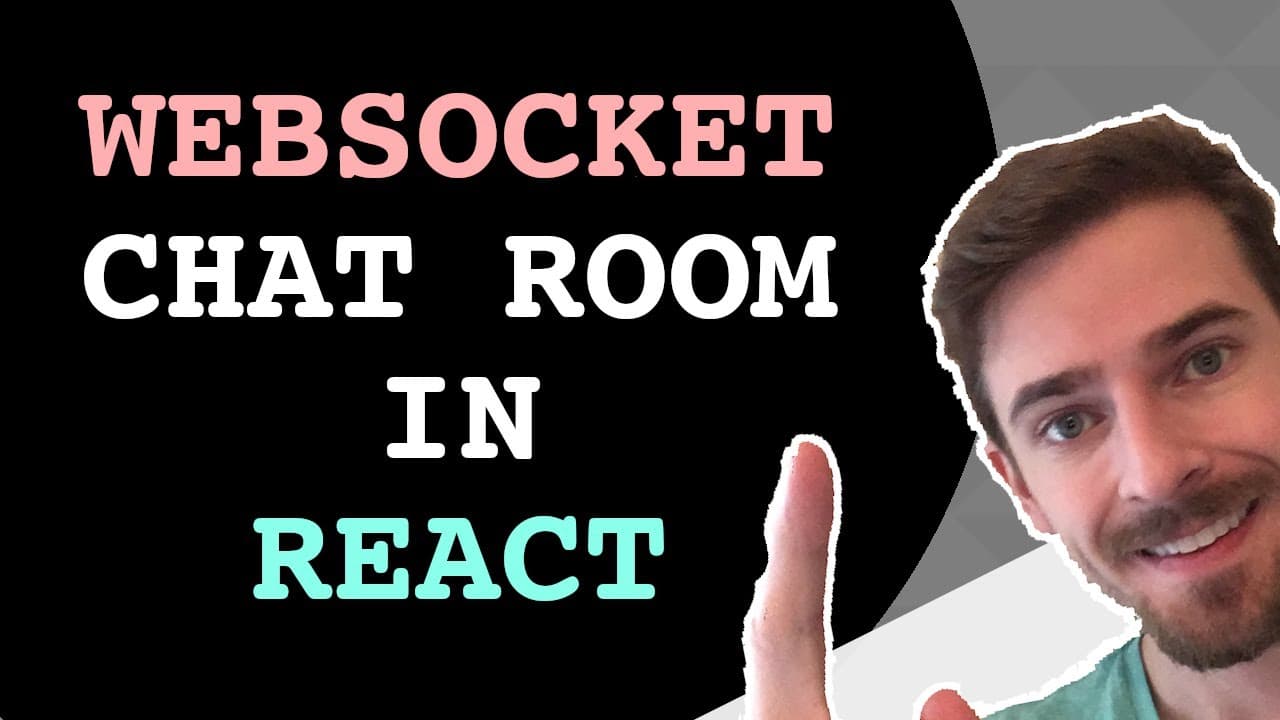
To build a WebSocket chat room using React and Socket.IO, set up a Node.js server to facilitate real-time messaging. Create a user interface with Bootstrap and manage user connections and messages through React's state management, responding dynamically as users interact. This project serves as a foundational example of real-time communication in web applications.
Transcript
hey everyone in this video I'm gonna be talking about a simple WebSocket chatroom that I built using the react arsal and socket IO and then also some styling using a bootstrap this isn't gonna be a full-on tutorial where I'm going to code everything from scratch just because I don't have the time to kind of do that from scratch instead I have the c... Read More
Key Insights
- 🛟 The video serves as a practical overview of a WebSocket chatroom application, specifically focusing on real-time communication using Socket.IO.
- 🫵 Emphasis is placed on using existing code for demonstration to save time, making it accessible for viewers looking to understand the general structure rather than follow a step-by-step tutorial.
- 🫵 The presenter welcomes viewer interaction by encouraging pull requests on the GitHub repo linked in the video, fostering a collaborative coding environment.
- 👤 The application highlights the importance of state management in React, as it dynamically reflects user connections and messages.
- 🕸️ Practical examples of WebSockets in action were demonstrated, showcasing their role in modern web applications beyond simple chatrooms, such as notifications and online gaming.
- ❤️🩹 Bootstrap was used to quickly style the chatroom interface, demonstrating how front-end frameworks can simplify the design process.
- 🛟 The importance of understanding server-client communication in real-time applications was emphasized, with the chatroom as an introductory example.
Install to Summarize YouTube Videos and Get Transcripts
Explore YouTube Video Summarizer or Get YouTube Transcript Extractor
Questions & Answers
Q: What technologies are used to build the chatroom application?
The chatroom application utilizes React for the front end, Socket.IO for real-time communication, and a Node.js server as the back end. Additionally, Bootstrap is used for styling the interface, while Parcel is employed to bundle the JavaScript files. The combination of these technologies allows for an interactive chat experience with real-time updates and user management.
Q: How does the application handle user connections and messages?
When a user connects to the chatroom, a prompt asks for a username, which is then emitted to the server. The server maintains a list of connected users and broadcasts updates when users join or leave. For messaging, when a user types a message and submits it, the client emits a 'send' event, which the server listens to and subsequently broadcasts this message to all connected clients, ensuring that everyone sees the message in real time.
Q: What challenges did the presenter face while developing the chatroom?
The presenter encountered difficulties with message transportation over Socket.IO, specifically around the requirement to specify transport options to avoid buffering issues. Additionally, he noted that managing state for user connections and messaging effectively was challenging, especially ensuring the UI reflected real-time updates without delays or redundancies in the user list.
Q: What features might be added to improve the chatroom application?
Potential improvements include implementing a scrollbar for the message area to better handle long conversations, refining styling for a more user-friendly interface, and adding notification features for new messages or new user connections. Additionally, implementing user authentication and message storage could enhance the overall functionality and usability of the chatroom.
Summary & Key Takeaways
-
This video provides a walkthrough of a simple chatroom application built with React, Socket.IO, and styled using Bootstrap, highlighting the communication methods between users.
-
The presenter emphasizes his approach to the project, proposing an overview of the existing code rather than a full tutorial, and invites viewers to tweak and improve it via pull requests.
-
Key functionalities demonstrated include real-time messaging between users, user connection and disconnection handling, and how to structure both the client and server code efficiently.
Read in Other Languages (beta)
Share This Summary 📚
Summarize YouTube Videos and Get Video Transcripts with 1-Click
Try YouTube Summary with ChatGPT & Claude or YouTube Transcript Generator
Explore More Summaries from Web Dev Cody 📚

Summarize YouTube Videos and Get Video Transcripts with 1-Click
Try YouTube Summary with ChatGPT & Claude or YouTube Transcript Generator