Sports Betting: Bill Bradley, SCOTUS & the $19 Billion Bet for States
TL;DR
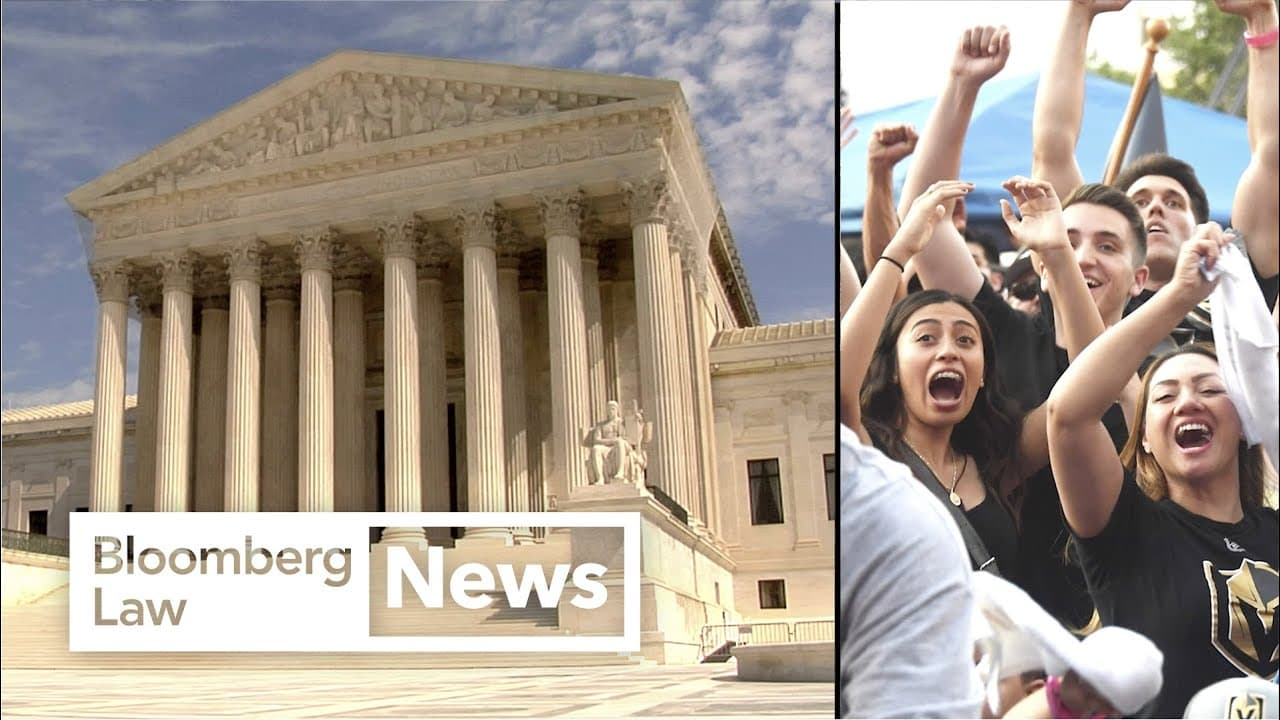
The Supreme Court's decision to legalize sports betting has led to the legalization of betting in many states, providing a significant source of revenue to fund various state programs and address budget shortfalls.
Transcript
we therefore hold that the passport provision outlawing state authorization of sports gambling is unconstitutional if you love gambling on sports may 14 2018 changed everything breaking news to supreme court this morning striking down the federal ban on sports betting if you're an operator if you're a state if you're a league this is going to be a ... Read More
Key Insights
- 🇺🇸 The Supreme Court's decision to legalize sports betting has shifted the landscape of gambling in the United States, allowing states to tap into a new source of revenue.
- 🕴️ Over two dozen states and DC have legalized betting on sports, with more states expected to follow suit.
- 🚙 The revenue generated from sports betting can help states recover from the financial impact of the pandemic.
- 🐕🦺 The tax revenue from sports betting can be designated for various purposes, such as funding education, social services, and infrastructure projects.
- 🚙 The popularity of online sports betting platforms has further increased the revenue potential for states.
- ☠️ States can set tax rates on sports betting, with higher rates potentially generating more revenue for public programs.
- 🚙 The revenue from sports betting is subject to both state and federal taxation, with bettors required to pay income taxes on their winnings.
Install to Summarize YouTube Videos and Get Transcripts
Explore YouTube Video Summarizer or Get YouTube Transcript Extractor
Questions & Answers
Q: How did the Supreme Court decision in May 2018 impact the legalization of sports betting?
The Supreme Court decision struck down the federal ban on sports betting, empowering states to legalize it within their jurisdictions. This decision opened up opportunities for states to generate revenue from sports betting.
Q: How much revenue can states expect to generate from legalized sports betting?
One industry analysis suggests that if all 50 states legalize sports betting, total revenue could reach nearly $19 billion, with around $7 to $8 billion going to the governments. However, the actual revenue generated will vary depending on factors such as population, tax rates, and the popularity of sports betting in each state.
Q: How do states receive revenue from sports betting?
States receive revenue from sports betting through various means. Sportsbooks generate revenue from bets placed, and states take a percentage of this revenue as taxes. The exact tax rate varies by state. Additionally, states may also collect income taxes from individual bettors on their winnings.
Q: Can sports betting alone solve state budget shortfalls?
While sports betting can provide a significant source of revenue for states, it is not a standalone solution to budget shortfalls. State budgets estimated to be off by over $100 billion due to the pandemic, sports betting is only part of the solution. States will need to explore other revenue streams and budget cuts to address the shortfall effectively.
Summary & Key Takeaways
- The Supreme Court's decision to strike down the federal ban on sports betting in May 2018 has allowed over two dozen states and DC to legalize betting on sports.
-States are hoping that tax revenues generated from sports betting will help recover their pandemic-ravaged budgets.
- The legalization of sports betting has led to the creation of new opportunities for sportsbooks and has become a significant revenue stream for the government.
Read in Other Languages (beta)
Share This Summary 📚
Summarize YouTube Videos and Get Video Transcripts with 1-Click
Try YouTube Summary with ChatGPT & Claude or YouTube Transcript Generator
Explore More Summaries from Bloomberg Law 📚






Summarize YouTube Videos and Get Video Transcripts with 1-Click
Try YouTube Summary with ChatGPT & Claude or YouTube Transcript Generator