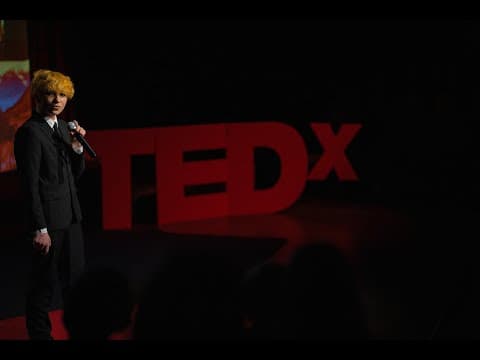
How our emotions can help us save the planet (with Auslan) | Claudia Benham | TEDxUQ

TL;DR
Climate change causing emotional stress; connection and action key to coping.
Transcript
Transcriber: Zhexper _ Reviewer: Walaa Mohammed Does anyone here ever get irrationally angry or stressed when you get too hot? The 6th of July this year was the hottest day on Earth in at least the last 100,000 years. And actually, climate scientists are now almost certain that July was the hottest month ever recorded. What we know more and more ... Read More
Key Insights
- 🌸 Climate change impacts emotional well-being, causing feelings of sadness and loss.
- 🥺 Loss of iconic ecosystems like coral reefs leads to ecological grief and anger.
- 💱 Individual identities influence how we respond to environmental changes.
- 💁 Forming connections with like-minded individuals can enhance resilience to ecological grief.
- 🔬 Positive actions for the environment can help individuals cope with emotional distress.
- 🖐️ Our feelings about the environment play a crucial role in motivating us to protect cherished places.
- 🥰 Considering emotions like grief, hope, and love can drive actions to sustain our planet.
Install to Summarize YouTube Videos and Get Transcripts
Explore YouTube Video Summarizer or Get YouTube Transcript Extractor
Questions & Answers
Q: How does climate change impact our emotions?
Climate change, by threatening cherished environments like coastlines and coral reefs, can evoke feelings of sadness, anger, and grief as we witness their loss due to environmental damage.
Q: Why is ecological grief tied to specific places or species?
Ecological grief arises when places or species we love are lost or threatened, creating a sense of loss and attachment that stimulates emotional responses like sadness, anger, and empathy.
Q: How do our identities influence our response to climate change?
Individual identities, such as age, gender, and cultural background, shape how we are affected by environmental changes, influencing our coping mechanisms and resilience levels in the face of losses.
Q: Why is connection and action important in coping with ecological grief?
Forming connections with like-minded individuals who share a similar attachment to nature and engaging in positive environmental actions can boost resilience and help individuals navigate feelings of ecological grief more effectively.
Summary & Key Takeaways
-
July 6th hottest day in 100,000 years; climate change leading to emotional distress.
-
Loss of iconic ecosystems like the Great Barrier Reef triggering grief and anger.
-
Ecological grief stems from loss of cherished places; connection, action vital for resilience.
Read in Other Languages (beta)
Share This Summary 📚
Summarize YouTube Videos and Get Video Transcripts with 1-Click
Try YouTube Summary with ChatGPT & Claude or YouTube Transcript Generator
Explore More Summaries from TEDx Talks 📚





Summarize YouTube Videos and Get Video Transcripts with 1-Click
Try YouTube Summary with ChatGPT & Claude or YouTube Transcript Generator