Products
Features
YouTube Video Summarizer
Summarize YouTube videos
Web & PDF Highlighter
Highlight web pages & PDFs
Chat with PDF
Ask any PDF questions with AI
Ask AI Clone
Chat with your highlights & memories
Audio Transcriber
Transcribe audio files to text
Glasp Reader
Read and highlight articles
Kindle Highlight Export
Export your Kindle highlights
Idea Hatch
Hatch ideas from your highlights
Integrations
Obsidian Plugin
Notion Integration
Pocket Integration
Instapaper Integration
Medium Integration
Readwise Integration
Snipd Integration
Hypothesis Integration
Apps & Extensions
Chrome Extension
Safari Extension
Edge Add-ons
Firefox Add-ons
iOS App
Android App
Discover
Discover
Ideas
Discover new ideas and insights
Articles
Curated articles and insights
Books
Book recommendations by great minds
Posts
Essays and notes from readers
Quotes
Inspiring quotes collection
Videos
Curated videos and summaries
Explore Glasp
Glasp Newsletter
Weekly insights and updates
Glasp Talk
Interview series with great minds
Glasp Blog
Latest news and articles
Glasp Use Cases
Learn how others use Glasp
Build & Support
Glasp API
Access Glasp's API for developers
MCP Connector
Connect Glasp to Claude & ChatGPT
Community
Glasp Reddit Community
Students
Student discount and benefits
FAQs
Frequently Asked Questions
AboutPricing
DashboardLog inSign up

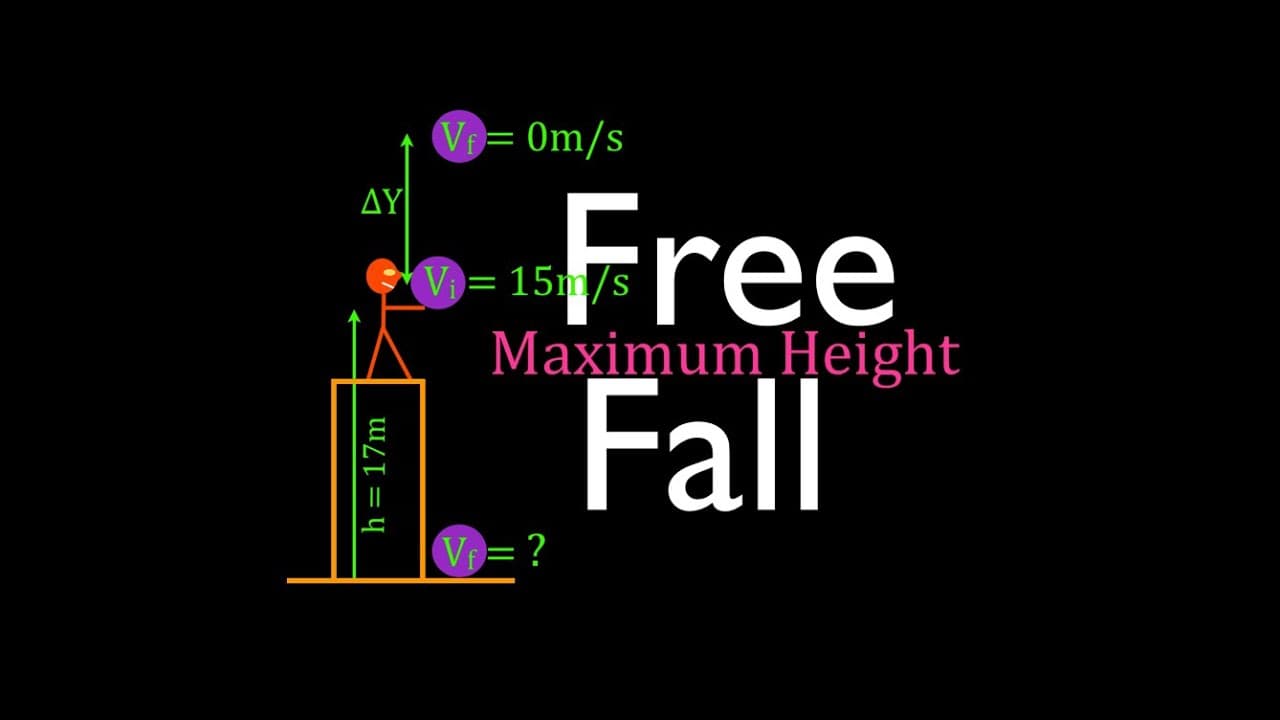
Physics, Kinematics, Free Fall (12 of 12) Maximum Height
74.5K views
•
July 26, 2015
by
Step by Step Science
YouTube video player
Physics, Kinematics, Free Fall (12 of 12) Maximum Height

TL;DR

Calculating the final height of a ball projected straight up and coming straight back down, using kinematic equations.

Transcript

okay NSAIDs video going to go over another problem involving freefall kinematics this is the first video and a three part series in this video we're going to find the final height of the ball when it's projected straight up and come straight back down with a known initial velocity that's we're going to do in this video part 1 in part 2 which you ca... Read More

Key Insights

  • ❓ Freefall kinematics involves determining motion under gravity.
  • 🧘 Final height calculation incorporates initial and final velocity, acceleration, and change in position.
  • 🦻 Kinematic equations aid in solving for unknown variables in projectile motion.
  • ❓ Understanding acceleration due to gravity is crucial in solving freefall problems.
  • ❓ The importance of choosing the correct kinematic equation for the specific scenario.
  • 🧘 Solving for final height involves accounting for initial height and change in position.
  • ❓ Clear visualization and systematic approach enhance problem-solving in kinematics.

Install to Summarize YouTube Videos and Get Transcripts

Explore YouTube Video Summarizer or Get YouTube Transcript Extractor

Questions & Answers

Q: What are the key variables involved in calculating the final height of the ball?

The key variables are initial velocity, acceleration due to gravity, final velocity, and the change in position (final height).

Q: Why is the final velocity of the ball considered to be zero at the peak of its trajectory?

The final velocity is zero at the peak because the ball momentarily stops before starting to descend due to gravity.

Q: How is the kinematic equation with four variables chosen to calculate the final height?

The kinematic equation with final velocity squared, initial velocity squared, acceleration, and change in position is used, as it includes the known variables and the unknown change in position.

Q: How is the final height of the ball calculated using the kinematic equation?

By plugging in the known values of initial velocity and acceleration, the change in position is determined and added to the initial height, resulting in the final height of the ball.

Summary & Key Takeaways

  • Part of a 3-part series on freefall kinematics.

  • Determines final height of a ball projected upwards and back down.

  • Utilizes kinematic equations to solve for change in position.


Read in Other Languages (beta)

English

Share This Summary 📚

Summarize YouTube Videos and Get Video Transcripts with 1-Click

Download browser extensions on:

Try YouTube Summary with ChatGPT & Claude or YouTube Transcript Generator

Explore More Summaries from Step by Step Science 📚
Momentum (4 of 16) Force vs Time Graph thumbnail
Momentum (4 of 16) Force vs Time Graph
Step by Step Science
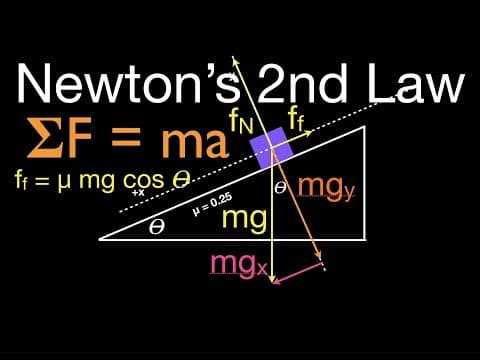
Newton's 2nd Law (9 of 21) Calculate Acceleration with Friction; Inclined Plane, One Mass thumbnail
Newton's 2nd Law (9 of 21) Calculate Acceleration with Friction; Inclined Plane, One Mass
Step by Step Science
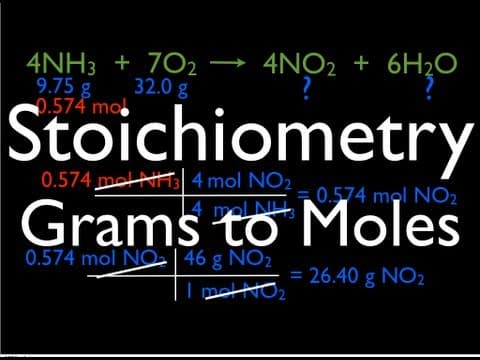
Chemical Reactions (7 of 11) Stoichiometry: Grams to Moles thumbnail
Chemical Reactions (7 of 11) Stoichiometry: Grams to Moles
Step by Step Science
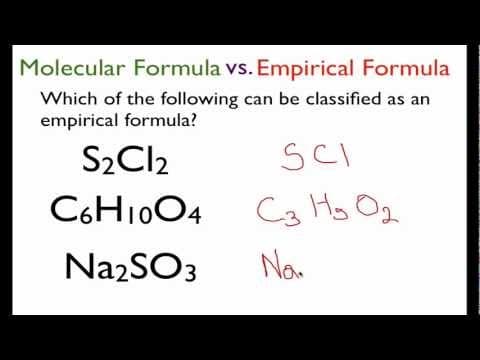
From the Molecular Formula to the Empirical Formula thumbnail
From the Molecular Formula to the Empirical Formula
Step by Step Science
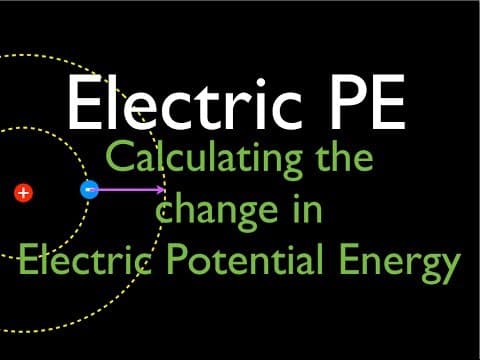
Point Charges (4 of 10) Change in Electric Potential Energy thumbnail
Point Charges (4 of 10) Change in Electric Potential Energy
Step by Step Science
What is a Radian? An Explanation thumbnail
What is a Radian? An Explanation
Step by Step Science

Summarize YouTube Videos and Get Video Transcripts with 1-Click

Download browser extensions on:

Try YouTube Summary with ChatGPT & Claude or YouTube Transcript Generator

Apps & Extensions

  • Chrome Extension
  • Safari Extension
  • Edge Add-ons
  • Firefox Add-ons
  • iOS App
  • Android App

Key Features

  • YouTube Video Summarizer
  • Web & PDF Summarizer
  • Web & PDF Highlighter
  • Chat with PDF
  • Ask AI Clone
  • Audio Transcriber
  • Glasp Reader
  • Kindle Highlight Export
  • Idea Hatch

Integrations

  • Obsidian Plugin
  • Notion Integration
  • Pocket Integration
  • Instapaper Integration
  • Medium Integration
  • Readwise Integration
  • Snipd Integration
  • Hypothesis Integration

More Features

  • APIs
  • MCP Connector
  • Blog & Post
  • Embed Links
  • Image Highlight
  • Personality Test
  • Quote Shots

Company

  • About us
  • Blog
  • Community
  • FAQs
  • Job Board
  • Newsletter
  • Pricing
Terms

•

Privacy

•

Guidelines

© 2026 Glasp Inc. All rights reserved.