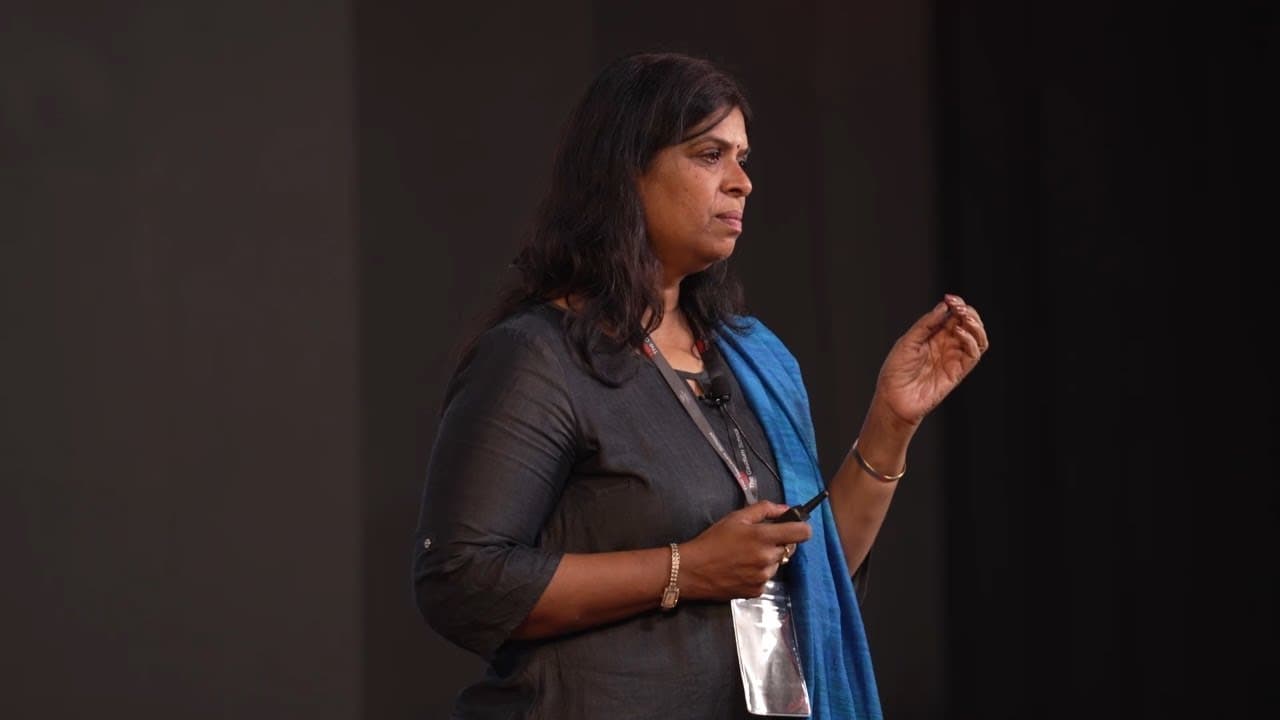
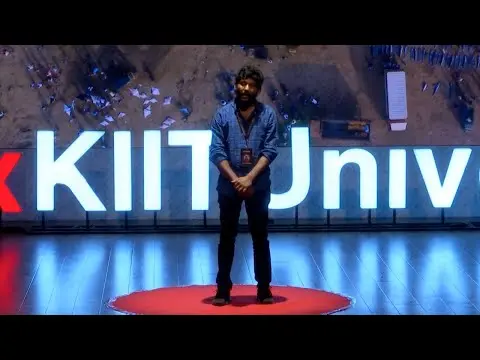
The Water Warrior | Kalpana Ramesh | TEDxThe Gaudium School
TL;DR
The speaker emphasizes the urgent need for individual water conservation efforts to combat environmental deterioration.
Transcript
so the song The Final Countdown is still resonating in my ears and I Think It's the final countdown for water conservation as well um the pale blue dot when I heard about this theme I thought it was so connected because we may be a small spec uh as compared to the planet right but the kind of difference that we can make uh together we've systematic... Read More
Key Insights
- 💦 The speaker identifies as a "water warrior," reflecting their commitment to environmental change through innovative local water management practices.
- 🙂 They highlight the urgent need for individuals to adopt sustainable practices in light of global water scarcity and pollution challenges.
- 💦 Community-driven projects have demonstrated that collective action can effectively restore and manage water resources.
- ❓ The success of local initiatives depends heavily on community involvement and a shared commitment to sustainability.
- 💦 Traditional wells and rainwater harvesting systems are vital for urban water management and can be revitalized through community efforts.
- 🍉 The speaker emphasizes that changing mindsets about water as a public asset is crucial for long-term conservation efforts.
- 👶 Involving children in environmental education is essential, as they bring fresh perspectives and innovative solutions to sustainability challenges.
Install to Summarize YouTube Videos and Get Transcripts
Explore YouTube Video Summarizer or Get YouTube Transcript Extractor
Questions & Answers
Q: What motivates the speaker to focus on water conservation?
The speaker's motivation stems from a deep connection to the environment and a passion for making a difference. They highlight the systematic destruction of natural resources by humanity and believe that each individual's effort can collectively create a significant positive impact. Their 12 years in water conservation are driven by a desire to reverse environmental damage and promote sustainable practices.
Q: How does the speaker propose communities can improve water sustainability?
The speaker suggests implementing local solutions such as restoring traditional wells, creating rain gardens, and adopting rainwater harvesting systems. They share successful experiences in Hyderabad, where projects led to significant improvements in water availability and quality. The idea is to create templates that can be replicated across different localities to foster water-rich communities.
Q: Why does the speaker reject traditional awareness campaigns?
The speaker criticizes conventional awareness campaigns for lacking practical impact. They argue that merely broadcasting information does not lead to the necessary action on the ground. Instead, it is essential for individuals and communities to actively participate in solutions that promote sustainability, such as taking direct action in their neighborhoods.
Q: What specific projects has the speaker been involved in?
The speaker has worked on various projects including well restoration, creating rain gardens that capture urban floodwaters, and implementing local rainwater harvesting systems. They highlight a project in the Kapur Masjid Banda area of Hyderabad, which successfully harvested over 1 million liters of water during the monsoon, showcasing the effectiveness of local interventions.
Q: How does the speaker view the relationship between water access and community behavior?
The speaker emphasizes that people's attitudes towards water conservation are heavily influenced by their immediate access to resources. In areas where water is readily available, there is often less urgency to preserve it. They advocate for a shift in perception, reminding individuals that water is a shared resource requiring collective stewardship, regardless of personal access.
Q: What role do children play in the speaker's initiatives?
Children are central to the speaker's approach; the speaker believes involving them fosters a sense of responsibility and community engagement. By educating children about the importance of heritage wells and encouraging their participation in conservation efforts, the speaker aims to cultivate a generation that is environmentally conscious and proactive in problem-solving.
Q: What does the speaker suggest as a personal first step for individuals concerned about water conservation?
The speaker encourages everyone to reflect on their personal water usage and consider practical steps they can take, such as implementing rainwater harvesting systems, segregating garbage, and being mindful of their consumption. This responsibility, they argue, begins with individual actions that can ripple into broader community benefits.
Summary & Key Takeaways
-
The speaker, a "water warrior," shares their 12-year journey in water conservation, highlighting the detrimental impact humans have made on the planet and the need for collective action.
-
They discuss successes in local water management projects in Hyderabad, illustrating how community-driven initiatives, such as well restoration and rainwater harvesting, can transform urban water resource management.
-
The speaker stresses the importance of shifting mindsets towards sustainable practices, arguing that mere awareness is insufficient without practical action at individual and community levels.
Read in Other Languages (beta)
Share This Summary 📚
Summarize YouTube Videos and Get Video Transcripts with 1-Click
Try YouTube Summary with ChatGPT & Claude or YouTube Transcript Generator
Explore More Summaries from TEDx Talks 📚


Summarize YouTube Videos and Get Video Transcripts with 1-Click
Try YouTube Summary with ChatGPT & Claude or YouTube Transcript Generator