Ignition Systems
TL;DR
Ignition systems in IC engines ignite fuel-air mixtures, essential for combustion, with various components and functions.
Transcript
hello everyone in this lecture we are going to see something about the ignition systems its components functions requirements that are there in an IC engine now why do we need an ignition system for the combustion of the fuel air mixture to start the fuel needs to be ignited and this fuel to get ignited develops the need for an ignition system in c... Read More
Key Insights
- 💖 Ignition systems in IC engines play a vital role in initiating combustion by generating sparks to ignite fuel-air mixtures.
- 💖 Components such as coils, distributor, and spark plug work together to ensure proper ignition timing and efficient combustion.
- 🚒 Different ignition systems like battery-coil, magneto, CDI, and distributorless offer varying advantages and limitations for IC engines.
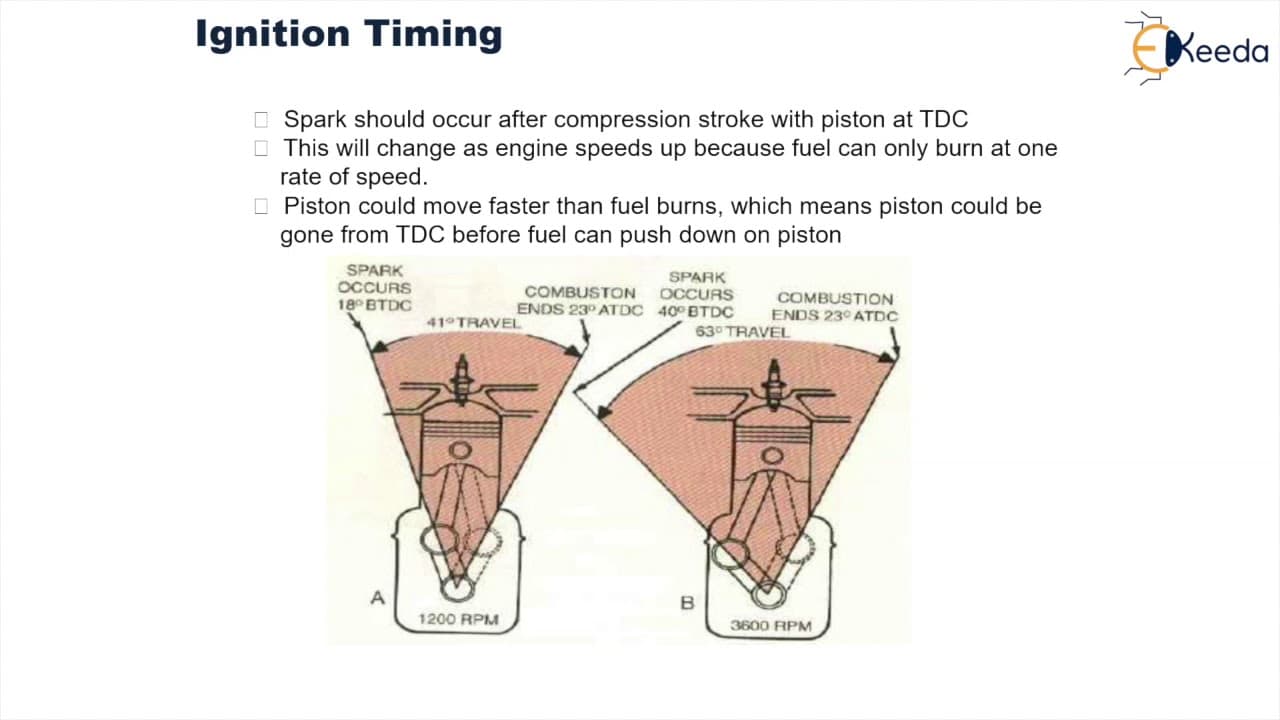
- ✊ Proper ignition timing is essential to prevent loss of power and optimize engine performance during combustion.
- 🔋 Magneto ignition systems eliminate the need for an external power source like a battery, common in small gasoline engines.
- ⚡ CDI systems utilize a silicon controlled rectifier to generate high-voltage sparks for efficient ignition in various applications.
- 🚒 Distributorless ignition systems in modern vehicles enhance efficiency by individually firing spark plugs based on engine speed and cylinder requirements.
Install to Summarize YouTube Videos and Get Transcripts
Explore YouTube Video Summarizer or Get YouTube Transcript Extractor
Questions & Answers
Q: What is the primary function of an ignition system in an internal combustion engine?
The primary function of an ignition system is to generate a spark that ignites the air-fuel mixture in the combustion chamber, initiating combustion.
Q: How does an ignition coil store and release energy for sparking in an IC engine?
The ignition coil stores energy in its magnetic field and releases it as high voltage current through the spark plug at the time of ignition, crucial for combustion.
Q: What are the different components of an ignition system, and how do they work together?
Components include power source, coils, break point, distributor, and spark plug, working together to generate and deliver high-voltage sparks to ignite fuel-air mixtures.
Q: What are the limitations associated with the battery-coil type of ignition system?
Limitations include increased primary voltage at high engine speeds, decreased energy storage time, and sensitivity to spark plug insulator issues affecting system performance.
Summary & Key Takeaways
-
Ignition systems in IC engines spark to ignite fuel-air mixtures, crucial for combustion.
-
Components include power source, primary & secondary coils, distributor, and spark plug.
-
Various ignition systems such as battery-coil, magneto, CDI, and distributorless offer different advantages.
Read in Other Languages (beta)
Share This Summary 📚
Summarize YouTube Videos and Get Video Transcripts with 1-Click
Try YouTube Summary with ChatGPT & Claude or YouTube Transcript Generator
Explore More Summaries from Ekeeda 📚






Summarize YouTube Videos and Get Video Transcripts with 1-Click
Try YouTube Summary with ChatGPT & Claude or YouTube Transcript Generator