This is what's REALLY holding back wind and solar
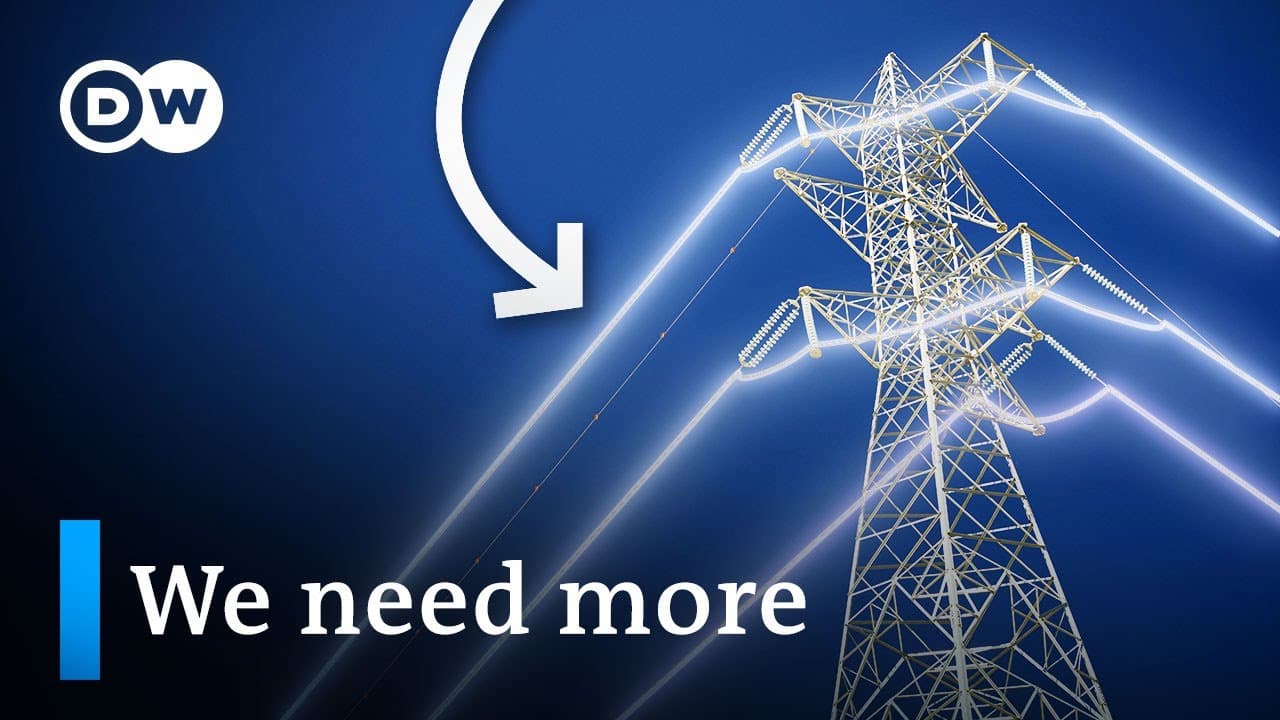
TL;DR
The transition to renewable energy is hindered by the difficulty of getting electricity from wind and solar sources to where it is needed, resulting in wasted energy and the need for backup power from fossil fuel sources.
Transcript
The 15th of January 2023 was a strange day for Germany. It was windy in the North. So windy that the thousands of wind turbines studded across land and sea were spinning at full force. At times, there was almost enough wind energy to power the entire country. Well, theoretically. Because practically, it couldn't get to where it was needed. Eventu... Read More
Key Insights
- 💨 The transition to renewable energy requires addressing the challenge of efficiently distributing wind and solar energy to where it is needed.
- ℹ️ Accurately forecasting energy demand and managing supply becomes more complex due to the fluctuating nature of renewable sources.
- 🏛️ Building a more flexible grid through infrastructure development, energy storage, and demand-side management is crucial for successful renewable energy integration.
- 🪐 The cost and complexity of grid upgrades and investments pose significant challenges to achieving net-zero targets globally.
- 🖐️ Distributed energy resources, such as solar panels on rooftops and electric vehicle batteries, can play a role in balancing supply and demand in a smart grid.
- 🗯️ Public resistance, property rights issues, and environmental concerns can delay the construction of necessary transmission infrastructure, making the transition more challenging.
- 🍉 Energy storage technologies like batteries and hydrogen can provide short-term and long-term solutions for storing excess renewable energy.
Install to Summarize YouTube Videos and Get Transcripts
Explore YouTube Video Summarizer or Get YouTube Transcript Extractor
Questions & Answers
Q: What is the main challenge in shifting to renewable energy?
The main challenge is effectively distributing wind and solar energy to where it is needed, as these sources are location-dependent and not as controllable as traditional power plants.
Q: How does weather affect the generation of renewable energy?
Weather conditions, such as low wind or cloudy skies, can lead to reduced renewable energy generation, causing fluctuations in supply and making it challenging to meet demand consistently.
Q: Why is the mismatch between renewable energy generation and demand a problem?
It can result in wasted energy in regions with excess generation, while other areas experience energy shortages and may need to rely on backup power sources such as coal or gas.
Q: How can the grid be made more flexible to accommodate renewable energy?
Building transmission lines to transport energy from regions with high generation to areas of high demand and implementing energy storage solutions like batteries and hydrogen can enhance grid flexibility.
Summary & Key Takeaways
-
Germany experienced a situation where wind turbines were generating excess energy in the North, while the South faced energy shortages, highlighting the challenge of distributing renewable energy efficiently.
-
The electrical grid, consisting of generators, transmission lines, and distribution lines, must maintain a delicate balance between supply and demand to prevent infrastructure damage or blackouts.
-
The increasing reliance on wind and solar energy, which are affected by weather conditions, poses challenges in accurately forecasting and meeting energy demand.
Read in Other Languages (beta)
Share This Summary 📚
Summarize YouTube Videos and Get Video Transcripts with 1-Click
Try YouTube Summary with ChatGPT & Claude or YouTube Transcript Generator
Explore More Summaries from DW Planet A 📚


Summarize YouTube Videos and Get Video Transcripts with 1-Click
Try YouTube Summary with ChatGPT & Claude or YouTube Transcript Generator