Bee extinction: Why we're saving the wrong bees
TL;DR
Honeybee numbers are increasing, but wild bees are in serious decline due to habitat loss, pesticides, and intensive agriculture, which poses a threat to global food security.
Transcript
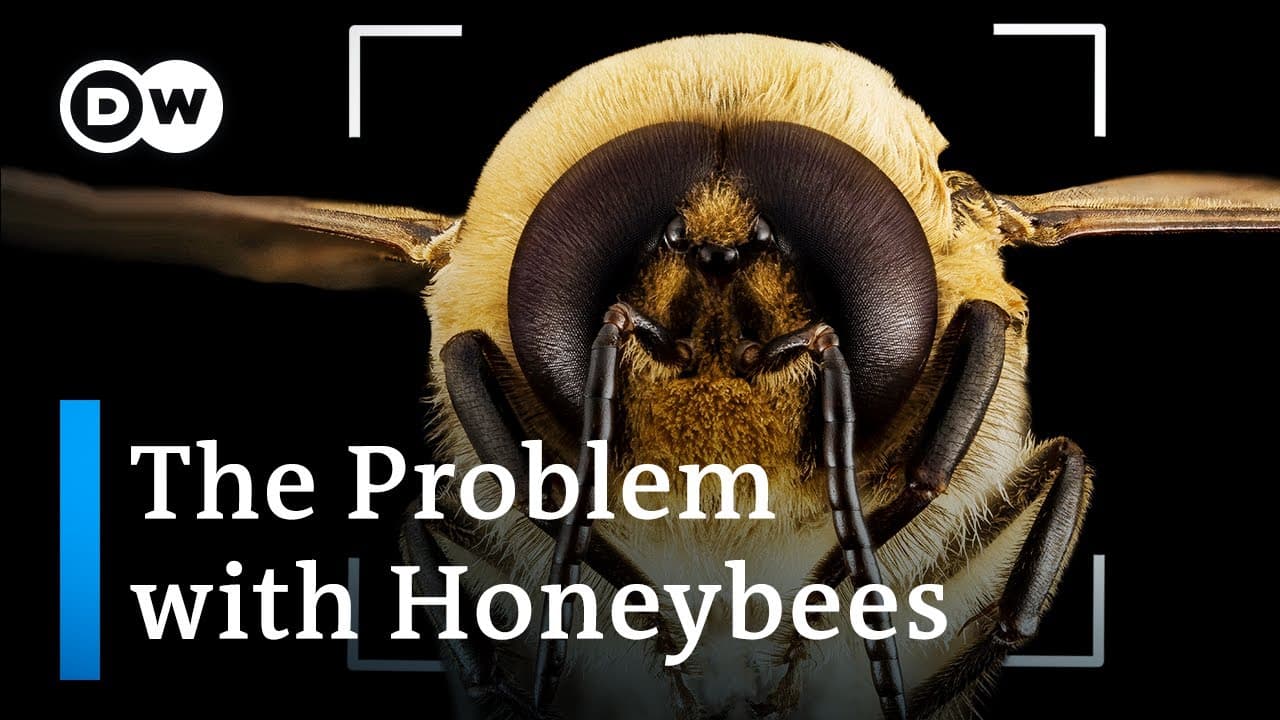
they're weird fuzzy and in a lot of trouble these insects are actually all bees wild ones and they're debatably more important than the honey making kind people are really worried about bees we will take the plight of the honey honeybee for granted at our own peril but what most people don't know honeybee numbers are increasing worldwide not just t... Read More
Key Insights
- 😋 Honeybee numbers are increasing worldwide, but the decline of wild bees poses a threat to pollination and food security.
- 🕴️ Wild bees are the most important pollinators, as they are suited to specific plants and better at pollinating certain crops.
- 🐝 Pesticides, habitat loss, and intensive agriculture are the main drivers of the decline in wild bee diversity.
- 😋 The decline of wild bee populations affects ecosystems and food security, reducing crop yields and impacting animals that rely on wild plants.
- 🧑🌾 Supporting small-scale sustainable farmers and creating diverse habitats for wild bees can help conserve pollinators.
- 🐝 Adding more honeybees to the environment is not the solution, as they can compete with and spread diseases to wild bees.
- 😃 Industrial agriculture is the biggest threat to all bees, using harmful chemicals and relying on monocultures.
Install to Summarize YouTube Videos and Get Transcripts
Explore YouTube Video Summarizer or Get YouTube Transcript Extractor
Questions & Answers
Q: Why are honeybee numbers increasing worldwide?
Honeybees are managed by beekeepers, receive veterinary treatment, and are not at risk of extinction. The number of honeybee colonies has increased by 83% since 1961.
Q: How are wild bees different from honeybees?
There are around 20,000 species of wild bees, which are mostly solitary and suited to specific plants. They are better at pollinating certain crops compared to honeybees.
Q: What are the main drivers of the decline in wild bee diversity?
Pesticides, habitat loss, and intensive agriculture are the main factors contributing to the decline of wild bee populations worldwide.
Q: How does the decline of wild bees affect ecosystems and food security?
The loss of wild bee diversity can have knock-on effects on whole ecosystems, impacting animals that rely on wild plants for food and shelter. It also reduces crop yield, affecting global food production.
Key Insights:
- Honeybee numbers are increasing worldwide, but the decline of wild bees poses a threat to pollination and food security.
- Wild bees are the most important pollinators, as they are suited to specific plants and better at pollinating certain crops.
- Pesticides, habitat loss, and intensive agriculture are the main drivers of the decline in wild bee diversity.
- The decline of wild bee populations affects ecosystems and food security, reducing crop yields and impacting animals that rely on wild plants.
- Supporting small-scale sustainable farmers and creating diverse habitats for wild bees can help conserve pollinators.
- Adding more honeybees to the environment is not the solution, as they can compete with and spread diseases to wild bees.
- Industrial agriculture is the biggest threat to all bees, using harmful chemicals and relying on monocultures.
- Individuals can make a difference by supporting small-scale sustainable farmers and creating diverse habitats for wild bees in their backyards.
Summary & Key Takeaways
-
Honeybees are managed and increasing in numbers worldwide, but the decline of wild bees poses a threat to pollination and food security.
-
Wild bees, not honeybees, are the most important pollinators as they are suited to specific plants and are better at pollinating certain crops.
-
Pesticides, habitat loss, and intensive agriculture are the main drivers of the decline in wild bee diversity.
Read in Other Languages (beta)
Share This Summary 📚
Summarize YouTube Videos and Get Video Transcripts with 1-Click
Try YouTube Summary with ChatGPT & Claude or YouTube Transcript Generator
Explore More Summaries from DW Planet A 📚


Summarize YouTube Videos and Get Video Transcripts with 1-Click
Try YouTube Summary with ChatGPT & Claude or YouTube Transcript Generator