How to Future-Proof Your Personal Brand in 2025
TL;DR
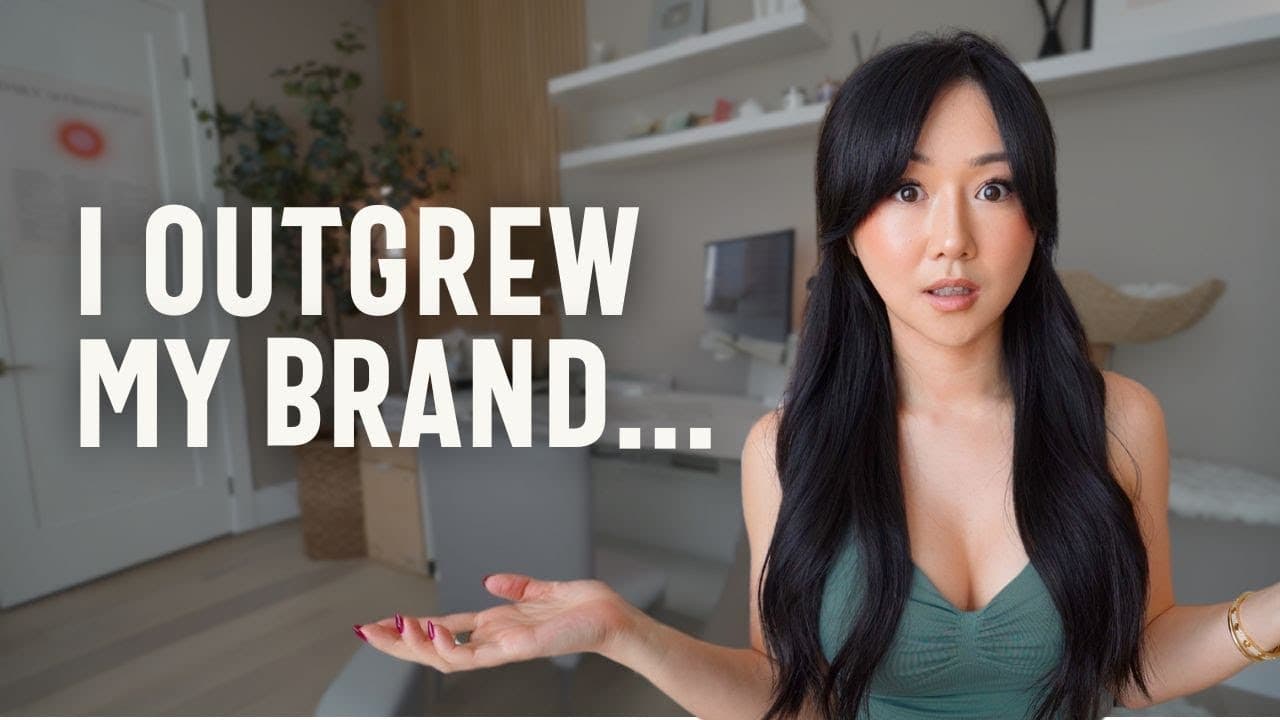
Creators should focus on building personal brands around storylines rather than niches to ensure longevity and adaptability. This approach fosters deeper connections with audiences, allowing creators to pivot without losing support. Embracing a multi-passionate strategy and sharing personal journeys can future-proof a brand as platforms and content formats evolve.
Transcript
There are a lot of creators out there who are building a huge following. They're making a lot of money, but I know they have a very weak personal brand. They built their platform being known as the Instagram coach, the YouTube expert, the finance guy, but if they ever tried to pivot, I have a feeling that a lot of their audience would not support t... Read More
Key Insights
- Building a brand around a storyline instead of a niche fosters deeper audience connections.
- Creators often struggle to pivot because their audiences are tied to specific topics.
- A multi-passionate content strategy allows for growth and adaptability over time.
- Sharing personal interests and journeys can help future-proof a personal brand.
- AI and technology make information accessible, but personal connection remains valuable.
- Creators should balance content that fulfills personal interests and audience expectations.
- Successful brands involve audiences in the journey, not just the end product.
- Creators should avoid extreme specialization or complete nichelessness for sustained happiness.
Install to Summarize YouTube Videos and Get Transcripts
Explore YouTube Video Summarizer or Get YouTube Transcript Extractor
Questions & Answers
Q: How can creators future-proof their personal brands?
Creators can future-proof their personal brands by building around storylines rather than niches. This approach fosters deeper audience connections, allowing for adaptability and growth. Sharing personal journeys and interests also helps maintain engagement and relevance as platforms and content formats evolve.
Q: Why is niching down becoming less effective for creators?
Niching down is becoming less effective because it ties creators to specific topics, limiting their ability to pivot and evolve. Audiences are increasingly interested in personal journeys and storylines, which offer more flexibility and foster deeper connections, allowing creators to explore diverse content without losing support.
Q: What is the difference between a niche and a personal brand?
A niche focuses on specific topics or expertise, while a personal brand centers around the creator's unique story and journey. Personal brands emphasize deeper connections with audiences, allowing for diverse content exploration and adaptability, whereas niches can limit flexibility and audience engagement over time.
Q: How can creators balance niche content with personal growth?
Creators can balance niche content with personal growth by rotating between content that serves their audience, fulfills personal interests, and aligns with their values. This strategy allows for creative expression, audience engagement, and personal fulfillment, ensuring a sustainable and adaptable content approach.
Q: What role does storytelling play in personal branding?
Storytelling plays a crucial role in personal branding by inviting audiences into the creator's journey, fostering deeper connections. It allows creators to share diverse experiences and interests, making their brands more relatable and adaptable to change, ultimately enhancing audience engagement and brand longevity.
Q: How does sharing personal interests help future-proof a brand?
Sharing personal interests helps future-proof a brand by broadening content scope and fostering authentic audience connections. It allows creators to explore various topics, pivot without losing support, and adapt to changing platforms and audience expectations, ensuring sustained relevance and engagement.
Q: What are some examples of creators successfully diversifying their brands?
Creators like Emma Chamberlain and Max Tuning have successfully diversified their brands by integrating personal interests into their content. Chamberlain's love for coffee led to a successful coffee brand, while Tuning's passion for sour candy resulted in a lucrative candy business, demonstrating the power of personal storytelling.
Q: How can creators use AI to enhance their personal branding?
Creators can use AI to enhance personal branding by generating storyline ideas that focus on personal journeys rather than specific topics. AI tools can help craft engaging narratives that resonate with audiences, fostering deeper connections and allowing for content diversification and adaptability.
Summary & Key Takeaways
-
Creators should build their brands around storylines rather than niches to foster long-term audience connections. This approach allows for personal growth and adaptability as platforms evolve. By sharing personal journeys and interests, creators can future-proof their brands and maintain relevance.
-
Focusing on personal storylines invites audiences into the creator's journey, providing room for content diversification. This strategy helps creators pivot without losing audience support and allows them to explore various topics authentically.
-
Incorporating personal stories and interests into content strategies can help creators maintain audience engagement and future-proof their brands. This approach emphasizes personal connection over niche expertise, allowing creators to evolve with changing platforms and audience expectations.
Read in Other Languages (beta)
Share This Summary 📚
Summarize YouTube Videos and Get Video Transcripts with 1-Click
Try YouTube Summary with ChatGPT & Claude or YouTube Transcript Generator
Explore More Summaries from Vanessa Lau 📚
Summarize YouTube Videos and Get Video Transcripts with 1-Click
Try YouTube Summary with ChatGPT & Claude or YouTube Transcript Generator