Déjà Vu: P2P Lenders Didn’t Learn Anything from The Subprime Mortgage Crisis

TL;DR
Online lending market faces risk due to lack of verification, but offers potential for significant growth and profit.
Transcript
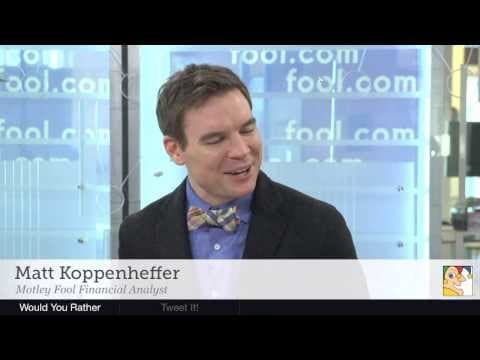
Gaby Lapera: One of the things that you have to realize is that people vary in their risk when you're giving them a loan, and if you give people who are high risk a loan, they're probably going to default. That's why banks are so careful. Jay Jenkins: Absolutely. That's why they charge higher interest rates, too. Lapera: Exactly. Jenkins: The theor... Read More
Key Insights
- ☠️ Banks charge higher interest rates to cover loan losses from risky borrowers.
- 😀 Online lenders face risks due to insufficient verification processes compared to banks.
- 📽️ Online lending market projects significant growth potential by 2025.
- ✳️ Proper risk management is crucial for ensuring the success of online lending platforms.
- ✳️ Fraudulent loan approvals pose substantial financial risks for investors and lenders.
- 🪡 Online lending, if managed effectively, can significantly benefit borrowers in need of credit.
- 😘 The institutional knowledge and experience of traditional banks contribute to their lower loan default rates.
Install to Summarize YouTube Videos and Get Transcripts
Explore YouTube Video Summarizer or Get YouTube Transcript Extractor
Questions & Answers
Q: Why do banks charge higher interest rates for riskier borrowers?
Banks charge higher interest rates for riskier borrowers to cover potential loan losses and still make a profit. Riskier borrowers are more likely to default, leading to financial losses for banks.
Q: How do online lending platforms differ from banks in terms of verification processes?
Online lending platforms often verify a significantly smaller percentage of loans compared to banks, which increases the risk of fraud and defaults.
Q: What are some potential consequences of online lending platforms not verifying loan details accurately?
Inaccurate verification by online lending platforms can lead to fraudulent loans being approved, causing substantial financial risks for investors and lenders alike.
Q: Despite the risks involved, why is there optimism regarding the online lending market's potential for growth?
The online lending market has the potential for significant growth and profitability, with projections indicating a multi-billion dollar industry by 2025, despite current risk management challenges.
Summary & Key Takeaways
-
Online lending platforms face risks as they often verify only a fraction of their loans, leading to potential fraud.
-
Banks, with their stringent verification processes, have lower loan default rates compared to online lenders.
-
Despite risks, the online lending market offers vast opportunities for growth and profit if proper risk management is implemented.
Read in Other Languages (beta)
Share This Summary 📚
Summarize YouTube Videos and Get Video Transcripts with 1-Click
Try YouTube Summary with ChatGPT & Claude or YouTube Transcript Generator
Explore More Summaries from Industry Focus - Deep Dives into the Stock Market's Biggest Sectors 📚

Summarize YouTube Videos and Get Video Transcripts with 1-Click
Try YouTube Summary with ChatGPT & Claude or YouTube Transcript Generator