StatQuest: A gentle introduction to RNA-seq
TL;DR
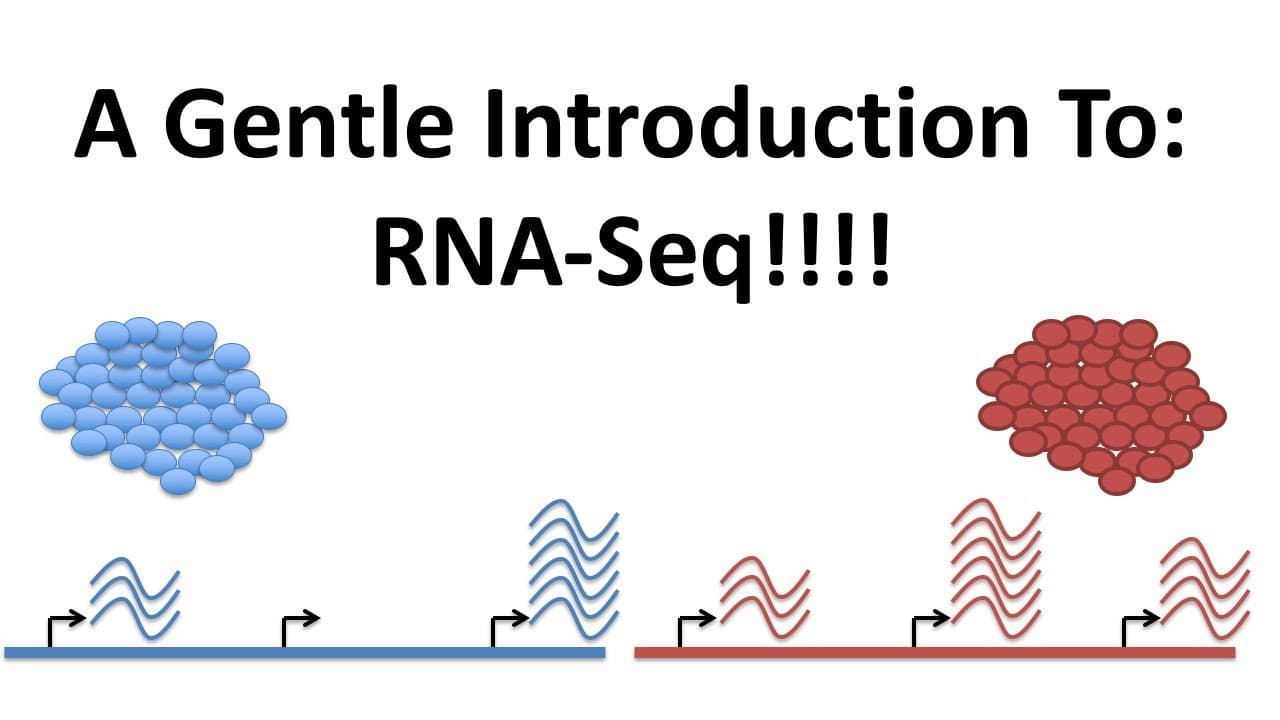
RNA-seq analyzes gene expression differences between normal and mutated cells using high-throughput sequencing.
Transcript
even when you're feeling bad even when you've got the flu even when you're down and said you can watch stat quest stat quest hello and welcome to stat quest stat quest is brought to you by the friendly folks in the genetics department at the University of North Carolina at Chapel Hill today we're gonna do an introduction to RNA seek we'll start out... Read More
Key Insights
- 😑 RNA-seq analyzes gene expression differences between normal and mutated cells using high-throughput sequencing.
- ✋ High-throughput sequencing determines active genes and their transcription levels in cells.
- 🫠 Analysis involves sequencing, aligning reads to a genome, counting reads per gene, and normalizing data for comparison.
- 😑 PCA plots help visualize and identify differences in gene expression between cell types.
- 😑 Differentiated expressed genes are identified, validated, and further analyzed for pathway enrichment.
- 😑 RNA-seq provides insights into gene expression changes in various cells and tissues.
- 😑 Normalization is crucial for accurate comparisons of gene expression levels in RNA-seq analysis.
Install to Summarize YouTube Videos and Get Transcripts
Explore YouTube Video Summarizer or Get YouTube Transcript Extractor
Questions & Answers
Q: What is RNA-seq and what does it analyze?
RNA-seq is a high-throughput sequencing method that analyzes gene expression differences between normal and mutated cells by measuring active genes and their transcription levels.
Q: What are the main steps in RNA-seq analysis?
The main steps include preparing a sequencing library, isolating RNA, fragmenting it, converting fragments into DNA, adding sequencing adapters, PCR amplifying the library, sequencing the library, and analyzing the data.
Q: How does high-throughput sequencing work in RNA-seq analysis?
High-throughput sequencing uses fluorescent probes to identify nucleotide bases on DNA fragments, allowing for the determination of gene expression levels and differences between normal and mutated cells.
Q: Why is normalization important in RNA-seq analysis?
Normalization adjusts read counts per gene to account for differences in sequencing depth between samples, ensuring accurate comparisons of gene expression levels.
Summary & Key Takeaways
-
RNA-seq analyzes gene expression differences between normal and mutated cells using high-throughput sequencing.
-
High-throughput sequencing determines active genes and their transcription levels in cells.
-
Analysis involves sequencing, aligning reads to a genome, counting reads per gene, and normalizing data for comparison.
Read in Other Languages (beta)
Share This Summary 📚
Summarize YouTube Videos and Get Video Transcripts with 1-Click
Try YouTube Summary with ChatGPT & Claude or YouTube Transcript Generator
Explore More Summaries from StatQuest with Josh Starmer 📚

Summarize YouTube Videos and Get Video Transcripts with 1-Click
Try YouTube Summary with ChatGPT & Claude or YouTube Transcript Generator