What They Didn't Teach You In School...
TL;DR
Learn how to calculate personal cashflow, distinguish between discretionary and nondiscretionary spending, understand assets versus liabilities, reconsider the value of tax refunds, and protect your money from inflation.
Transcript
- How's it going today, guys? Welcome back to the channel. Hope you're having a great day so far. So what we're gonna be talking about in this video today are five very important financial skills that are just not being taught in high school. Now, for those of you that have been following my channel for quite some time, I'm sure you've heard all of... Read More
Key Insights
- 🤩 Calculating personal cashflow is key to understanding financial health.
- 🦻 Distinguishing between discretionary and nondiscretionary spending aids in budgeting.
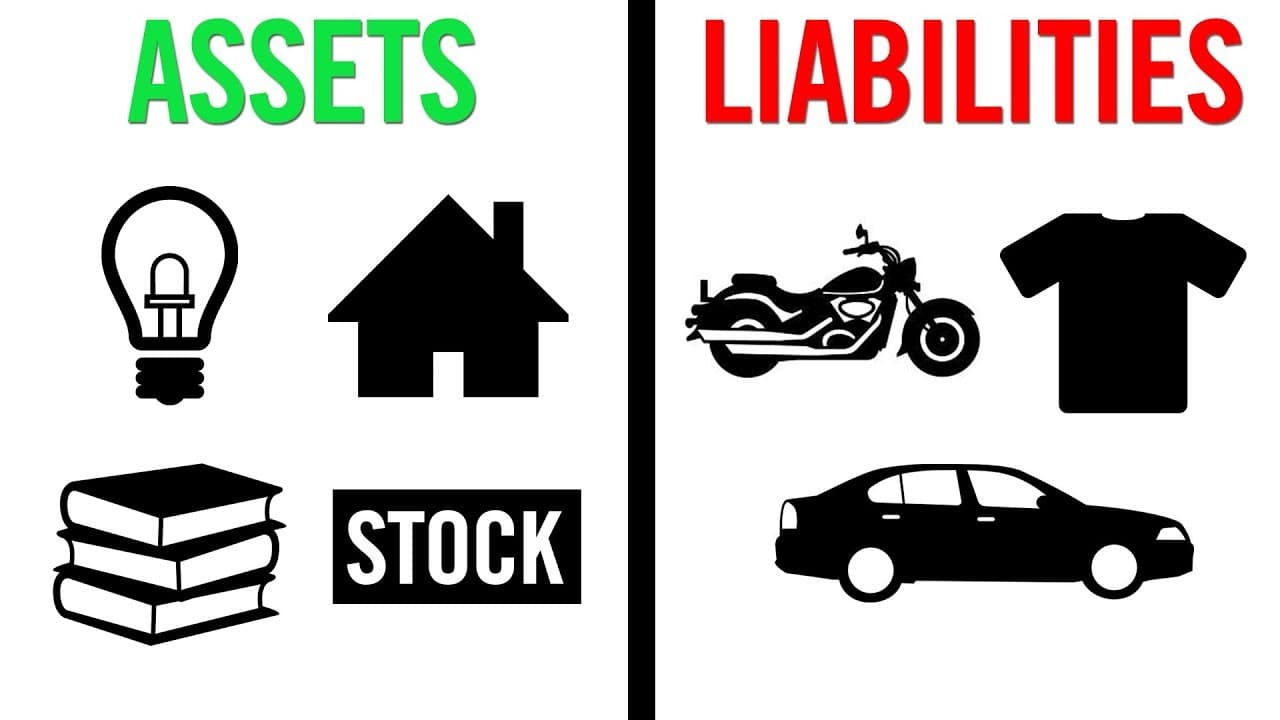
- 🦮 Recognizing assets and liabilities guides financial decision-making.
- 🤑 Tax refunds are simply overpaid money returning to you, which could be better utilized elsewhere.
- 🤑 Inflation erodes the value of money, so exploring higher yield options is important.
- 🖤 High school education lacks comprehensive financial skills.
- 🆘 Sharing financial knowledge can help others improve their financial situations.
Install to Summarize YouTube Videos and Get Transcripts
Explore YouTube Video Summarizer or Get YouTube Transcript Extractor
Questions & Answers
Q: How do you calculate personal cashflow?
Personal cashflow is calculated by subtracting total expenses from income. This will determine if you have positive cashflow (making more than you spend) or negative cashflow (spending more than you make).
Q: What is the difference between discretionary and nondiscretionary spending?
Discretionary spending refers to expenses that are wants and can be controlled, while nondiscretionary spending includes needs that you must pay for regardless. For example, a utility bill is nondiscretionary, while dining out is discretionary.
Q: Why is understanding assets versus liabilities important?
Assets put money in your pocket, while liabilities take money out. By distinguishing between the two, you can make smarter financial decisions and prioritize purchasing assets that generate income.
Q: Are tax refunds beneficial?
Tax refunds are simply money you overpaid to the government, and receiving a return means you provided an interest-free loan. While it can be considered a deferred savings plan, it's more beneficial to use that money wisely or invest it rather than giving the government an interest-free loan.
Q: How does inflation affect saving money?
Inflation causes the price of goods and services to increase over time, reducing the buying power of your money. With low-interest rates in traditional bank accounts, your money can lose value each year. Exploring higher interest rate options like CDs or online savings accounts helps protect against inflation.
Summary & Key Takeaways
-
Understanding personal cashflow is crucial for financial health; calculate your income minus expenses to determine if you have positive or negative cashflow.
-
Differentiate between discretionary spending (wants) and nondiscretionary spending (needs) to make necessary cuts and improve cashflow.
-
Learn the difference between assets (put money in your pocket) and liabilities (take money out) to make informed financial decisions.
-
Recognize that tax refunds are simply overpaid money returning to you and consider alternative ways to use that money instead of giving the government an interest-free loan.
-
Protect your money from inflation by not keeping it in traditional bank accounts with low interest rates; explore options like CDs or online savings accounts.
Read in Other Languages (beta)
Share This Summary 📚
Summarize YouTube Videos and Get Video Transcripts with 1-Click
Try YouTube Summary with ChatGPT & Claude or YouTube Transcript Generator
Explore More Summaries from Ryan Scribner 📚






Summarize YouTube Videos and Get Video Transcripts with 1-Click
Try YouTube Summary with ChatGPT & Claude or YouTube Transcript Generator