Why 1.5 billion people eat with chopsticks | Small Thing Big Idea, a TED series
TL;DR
In this TED Translators video, the speaker explores the cultural significance of chopsticks and how they shape Asian cuisine and communal dining experiences.
Transcript
Transcriber: TED Translators admin It is such a sort of instrumental part of our cooking vocabulary, in terms of the utensils. And it was like, that's interesting, there are people who live without chopsticks. [Small Thing.] [Big Idea.] Chopsticks are a pair of two long sticks used to eat things with one hand. Holding chopsticks is a little bit lik... Read More
Key Insights
- 🥢 Chopsticks are an essential part of cooking vocabulary and utensils in many cultures, particularly in Asia, where about 1.5 billion people use them.
- 🌍 Different cultures have variations of chopsticks, such as Chinese chopsticks being long and round, Korean chopsticks being flatter and made of metal, and Japanese chopsticks being round and pointy.
- 🍜 Chopsticks are designed for eating small bits of food and are great for picking up noodles, rice, dumplings, and pieces of meat.
- ⚠️ There are rules and taboos when it comes to using chopsticks, such as not using them like drumsticks or sticking them upright in a bowl of rice, which symbolizes death.
- 🍽️ Chopsticks reflect the communal nature of eating, with dishes placed in the middle and individuals using their chopsticks to pick up food and eat individually.
- ⚔️ In the late 1800s, Asian men were stereotyped as inferior because they ate rice with chopsticks, while American men ate "proper" meat with knife and fork.
- 🌟 As Asian cuisine has become popular in the West, chopsticks have become a part of the dining experience, symbolizing the cultural exchange and appreciation. ⏳ Chopsticks have a long history, dating back to the Shang dynasty, where they were used for cooking with tripods and stirring pots without getting burned.
Install to Summarize YouTube Videos and Get Transcripts
Explore YouTube Video Summarizer or Get YouTube Transcript Extractor
Questions & Answers
Q: What are chopsticks and how are they used?
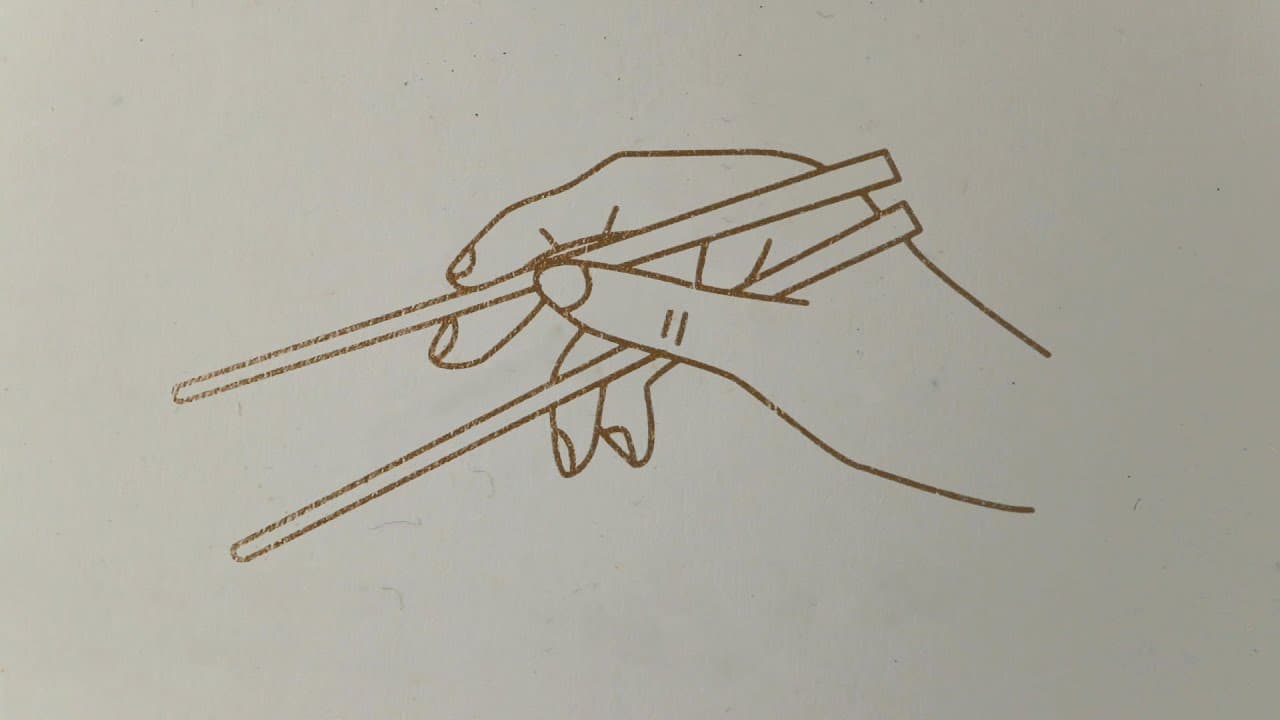
Chopsticks are a pair of two long sticks used to eat things with one hand. They are held similar to a pencil, but with two sticks moved together in a pincer movement. Chopsticks are primarily made out of wood but can also be made from plastic, bamboo, jade, gold, silver, and ivory.
Q: What types of food are chopsticks good for picking up?
Chopsticks are well designed for eating small bits of food. They are particularly suitable for picking up noodles, rice, dumplings, and pieces of meat. They allow for precision and control when grasping these smaller food items.
Q: Are there any limitations or cultural etiquette associated with using chopsticks?
Yes, there are some cultural no-nos when it comes to chopsticks. One should avoid using chopsticks like drumsticks, and it is considered inappropriate to stick chopsticks upright in a bowl of rice as it symbolizes death. It's important to be mindful of these customs when using chopsticks in a cultural context.
Q: How widespread is the use of chopsticks?
Chopsticks are used by a significant portion of the world's population, particularly in Asia. Approximately 1.5 billion people, across various Asian countries, incorporate chopsticks into their dining culture. Different cultures have their own variations of chopsticks, such as Chinese chopsticks being long and round, Korean chopsticks being flatter and often made of metal, and Japanese chopsticks tending to be round and sharp.
Q: What is the significance of chopsticks in Asian cuisine and cultural exchange?
Chopsticks have become an integral part of the experience as Asian cuisine has moved from the East to the West. They have a long history, with evidence of their usage dating back thousands of years ago. Chopsticks not only influenced the type of food that is cooked, but they also embody the communal nature of Asian dining, where dishes are shared and eaten individually. The incorporation of chopsticks in Western society has brought cultural exchange and appreciation for Asian culinary traditions.
Summary & Key Takeaways
-
Chopsticks are an integral part of cooking vocabulary and utensils, used in many Asian cultures, and made from various materials like wood, plastic, and bamboo.
-
They are designed for picking up small food items like noodles and are used by approximately 1.5 billion people in Asia.
-
Chopsticks have cultural significance and reflect the communal nature of food consumption, with a focus on family-style dining and sharing.
Read in Other Languages (beta)
Share This Summary 📚
Summarize YouTube Videos and Get Video Transcripts with 1-Click
Try YouTube Summary with ChatGPT & Claude or YouTube Transcript Generator
Explore More Summaries from TED 📚






Summarize YouTube Videos and Get Video Transcripts with 1-Click
Try YouTube Summary with ChatGPT & Claude or YouTube Transcript Generator