How to Optimize Salt Intake for Fitness Benefits
TL;DR
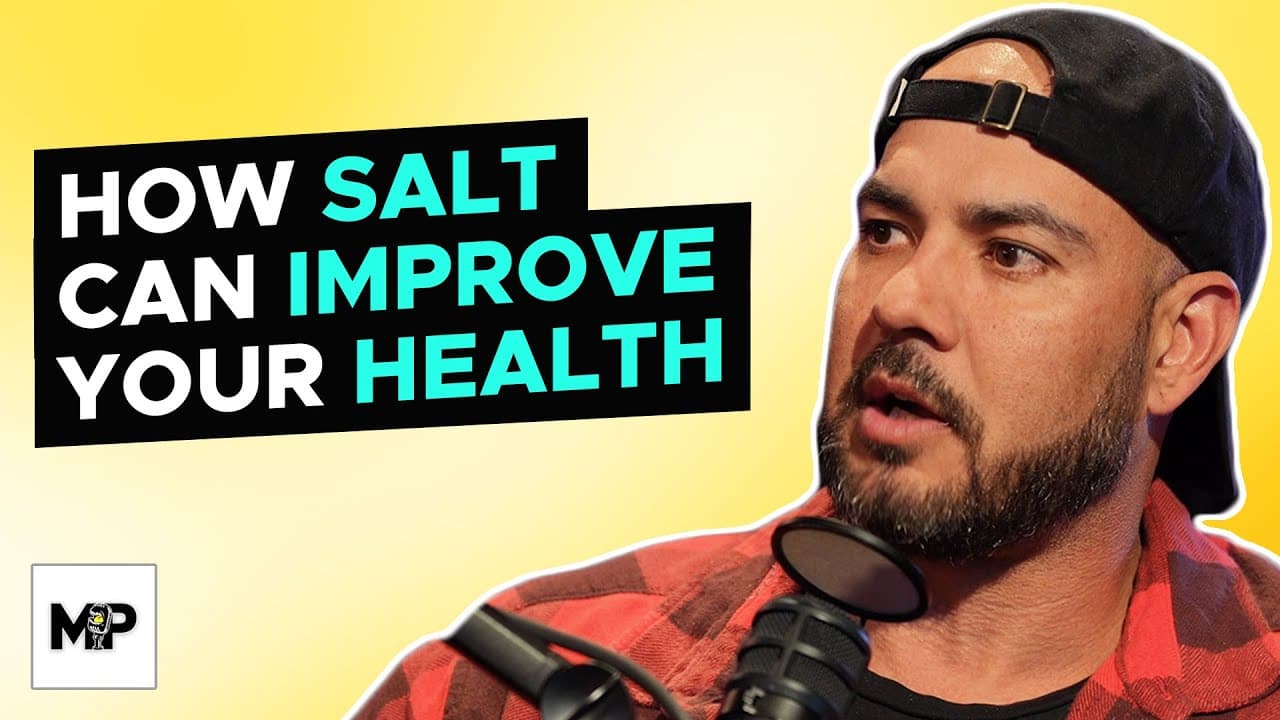
Adding salt to your diet can enhance athletic performance, especially for those who exercise regularly and consume whole foods. Sodium is often misunderstood as harmful, but it can be beneficial unless a doctor advises otherwise. Studies show mixed results, but for active individuals, higher sodium intake may support better health and longevity.
Transcript
don't be afraid of salt sodium is probably not going to hurt you look in the extreme cases yeah you got to be careful and unless your doctor tells you this is something you need to look at unless you have a specific reason stop fearing sodium it's fine that only is it fine but for those of you that work out and especially those of you that work out... Read More
Key Insights
- Sodium is essential for athletic performance and overall health.
- Many people fear sodium unnecessarily unless advised by a doctor.
- Current studies on sodium often have poor control methods.
- Low sodium intake can lead to health issues like migraines and dizziness.
- Processed foods are typically high in sodium, whereas whole foods may require added salt.
- Sodium can improve blood pressure but should be balanced with other health markers.
- Athletes on whole food diets often need to supplement sodium for optimal performance.
- Misinterpretation of studies can lead to widespread misinformation about sodium.
Install to Summarize YouTube Videos and Get Transcripts
Explore YouTube Video Summarizer or Get YouTube Transcript Extractor
Questions & Answers
Q: How does sodium improve athletic performance?
Sodium plays a crucial role in maintaining fluid balance, nerve function, and muscle contraction. For athletes, adequate sodium intake can enhance endurance, prevent cramps, and improve muscle pumps during workouts. It helps retain fluid, ensuring cells are well-hydrated, which is essential for peak performance.
Q: Why is sodium often considered harmful?
Sodium is often linked to high blood pressure and cardiovascular issues, primarily due to its prevalence in processed foods. However, the negative effects are mostly associated with excessive intake from unhealthy sources. For those on a whole-food diet, sodium can be beneficial and necessary for health.
Q: What are the risks of low sodium intake?
Low sodium intake can lead to hyponatremia, characterized by symptoms like headaches, nausea, and dizziness. It can also cause low blood pressure, leading to dizziness and fainting. For athletes, insufficient sodium can impair performance and increase the risk of muscle cramps and fatigue.
Q: How can I determine my ideal sodium intake?
Ideal sodium intake varies based on individual factors like activity level, diet, and health conditions. Athletes and those on whole-food diets may require more sodium. Consulting with a healthcare provider or nutritionist can help determine the appropriate amount based on personal health needs and lifestyle.
Q: What are the benefits of sodium for non-athletes?
For non-athletes, sodium is essential for maintaining fluid balance and supporting nerve and muscle function. It helps regulate blood pressure and volume. While less critical than for athletes, adequate sodium intake is still necessary for overall health and should be balanced with other dietary components.
Q: How does sodium affect blood pressure?
Sodium can influence blood pressure by affecting fluid balance in the body. Excessive sodium can lead to water retention, increasing blood pressure. However, for individuals with normal blood pressure and a healthy lifestyle, sodium may have less impact. It's important to consider overall diet and health.
Q: Can sodium intake affect cognitive function?
Sodium is vital for nerve function, which can influence cognitive abilities. While excessive sodium is linked to health issues, adequate intake supports brain function by ensuring proper nerve signal transmission. A balanced sodium level is part of maintaining overall cognitive health.
Q: How does sodium interact with other electrolytes?
Sodium works with other electrolytes like potassium and chloride to maintain fluid balance and nerve function. It is crucial for muscle contraction and hydration. Imbalances can affect heart rhythm and muscle function, highlighting the importance of a balanced intake of all electrolytes for optimal health.
Summary & Key Takeaways
-
Sodium is often misunderstood as harmful, but it is crucial for those who work out and eat a whole-food diet. It can improve athletic performance, provide a better pump, and enhance overall health. Studies on sodium often lack proper controls, leading to misinformation.
-
The benefits of sodium depend on the individual's diet and lifestyle. Those consuming processed foods may not need additional sodium, while those on whole-food diets might benefit from supplementation. Lowering sodium indiscriminately can sometimes lead to adverse effects like dizziness or migraines.
-
For optimal health, sodium intake should be balanced with other dietary elements. While some studies suggest reducing sodium for better blood pressure, others highlight the benefits of higher sodium intake in the context of a healthy diet and active lifestyle.
Read in Other Languages (beta)
Share This Summary 📚
Summarize YouTube Videos and Get Video Transcripts with 1-Click
Try YouTube Summary with ChatGPT & Claude or YouTube Transcript Generator
Explore More Summaries from Mind Pump Show 📚



Summarize YouTube Videos and Get Video Transcripts with 1-Click
Try YouTube Summary with ChatGPT & Claude or YouTube Transcript Generator