How a long-forgotten virus could help us solve the antibiotics crisis | Alexander Belcredi
TL;DR
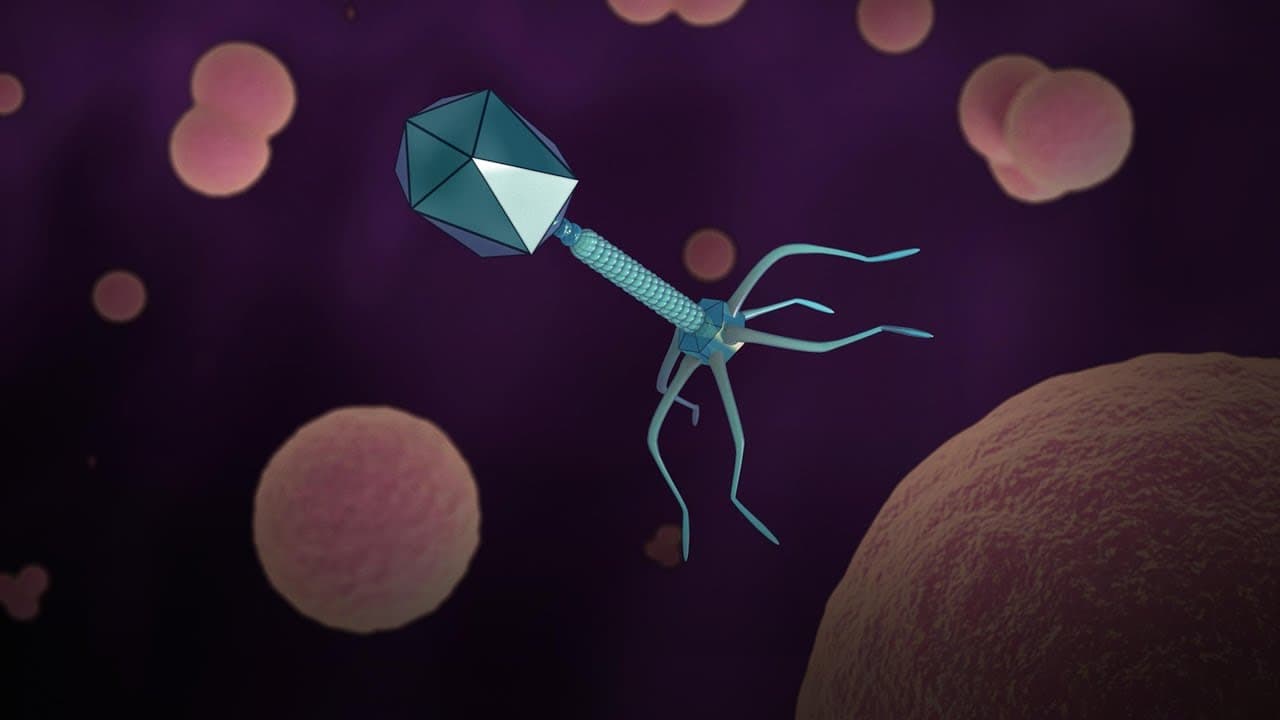
This content discusses the medical potential of phages, viruses capable of curing bacterial infections that do not respond to antibiotics.
Transcript
Take a moment and think about a virus. What comes to your mind? An illness? A fear? Probably something really unpleasant. And yet, viruses are not all the same. It's true, some of them cause devastating disease. But others can do the exact opposite -- they can cure disease. These viruses are called "phages." Now, the first time I heard about phages... Read More
Key Insights
- 🦠 Viruses called phages have the potential to cure bacterial infections that do not respond to antibiotics.
- 🦠 Phages are extremely selective hunters, infecting only specific bacterial species.
- 🔬 Phages multiply within bacteria, reprogramming them to produce new phages that eventually burst the bacteria, killing them.
- 🌍 Phages and bacteria have coexisted since the earliest days of evolution, with phages being the most abundant organisms on our planet.
- ⚙️ No phage-based drugs exist in most parts of the world due to regulatory standards and the emergence of chemical antibiotics in the 1940s.
- 🔎 Phages were discovered in 1917 by Félix d'Herelle, who observed their ability to kill bacteria.
- 💊 Antibiotics became the preferred treatment for bacterial infections, leading to the neglect of phage therapy in Western medicine.
- 🌏 Phages have remained effective against multidrug-resistant bacteria, and there is now a global resurgence in phage therapy with several biotech companies developing phage-based pharmaceuticals.
Install to Summarize YouTube Videos and Get Transcripts
Explore YouTube Video Summarizer or Get YouTube Transcript Extractor
Questions & Answers
Q: What are phages and how do they differ from other viruses?
Phages are viruses that have the ability to infect and kill bacteria. Unlike other viruses, phages are extremely selective hunters and typically only infect a single bacterial species.
Q: How do phages work to kill bacteria?
Phages hunt for the right surface on a bacterial cell using their sensitive receptors on their feet. Once they find the right surface, they latch onto the bacterial cell wall and inject their DNA. The DNA then reprograms the bacteria to produce new phages. Once enough phages accumulate within the bacteria, they release a protein that disrupts the bacterial cell wall, causing the bacteria to burst and allowing the phages to move on and infect new bacteria.
Q: Why have phages not been used as a treatment for bacterial infections in most parts of the world?
While the medical potential of phages was recognized early on, developing a reliable drug based on these "invisible microbes" proved difficult. With the emergence of chemical antibiotics in the 1940s, which inhibited the growth of bacteria in a broad-spectrum manner, the focus shifted away from phages. Additionally, existing Western regulatory standards made it challenging to develop a drug based on phages.
Q: How have bacteria evolved resistance to antibiotics?
As antibiotics were widely used in hospitals, homes, and farms, bacteria were exposed to these drugs and began to evolve to survive their effects. The bacteria that were best able to adapt and survive in the presence of antibiotics then multiplied, leading to the emergence of multidrug-resistant bacteria, also known as superbugs.
Q: Can phages be used to combat multidrug-resistant bacterial infections?
Yes, phages have remained effective against multidrug-resistant bacteria. They are not affected by antibiotic resistance and are capable of selectively killing bacteria. With advancements in technology and understanding, phage-based pharmaceuticals are being developed by multiple biotech companies, offering potential solutions to combat multidrug-resistant infections.
Q: How optimistic is the speaker about the future of phage therapy?
The speaker is confident in a renaissance of phage therapy. More than 10 biotech companies, including the speaker's own company, are developing phage-based treatments for bacterial infections. Clinical trials are underway, leading to the belief that phages could be the superheroes in the fight against multidrug-resistant infections.
Summary & Key Takeaways
-
Phages are a type of virus that can cure bacterial infections and have potential in medical treatments.
-
Phages infect and kill bacteria, and are extremely selective in their targets.
-
Antibiotic resistance is a growing problem, and phage therapy offers a potential solution to combat multidrug-resistant infections.
Read in Other Languages (beta)
Share This Summary 📚
Summarize YouTube Videos and Get Video Transcripts with 1-Click
Try YouTube Summary with ChatGPT & Claude or YouTube Transcript Generator
Explore More Summaries from TED 📚






Summarize YouTube Videos and Get Video Transcripts with 1-Click
Try YouTube Summary with ChatGPT & Claude or YouTube Transcript Generator