What Do Protests Really Look Like Beyond Media Coverage?
TL;DR
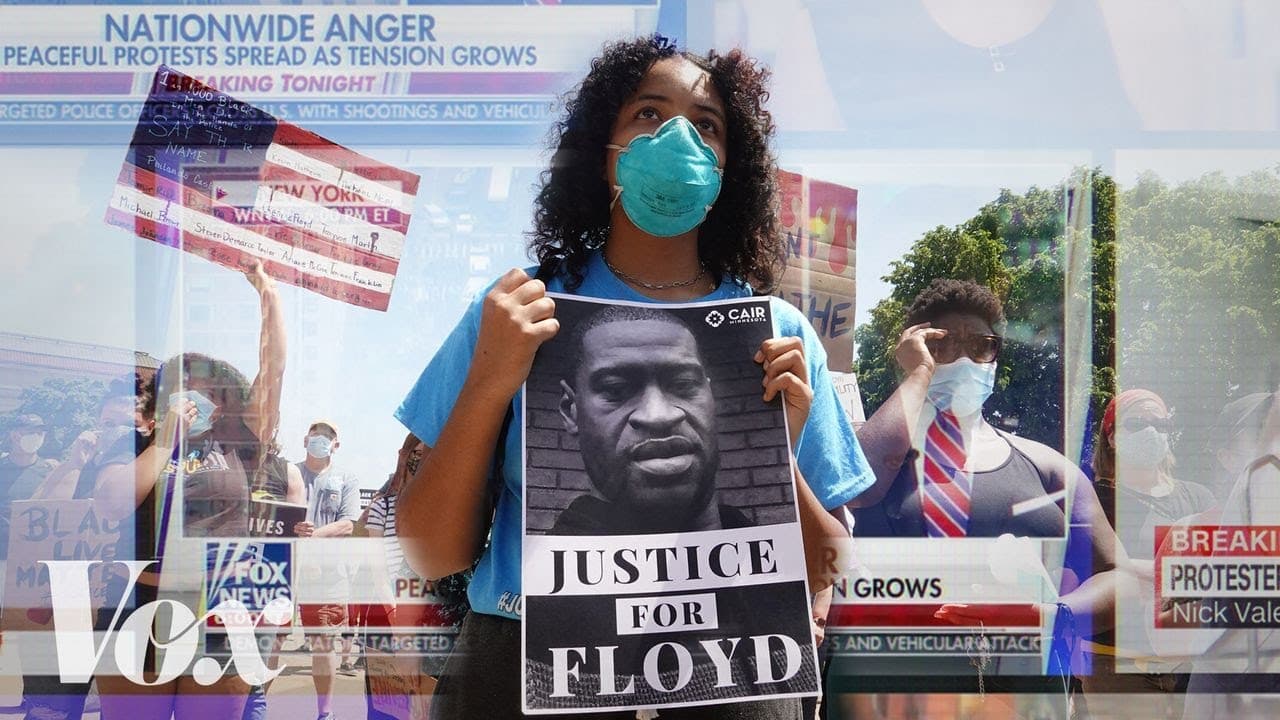
Protests often appear violent and chaotic in media coverage, overshadowing the peaceful intentions and historical context behind them. The focus on dramatic imagery drives viewership but fails to convey the complexities and roots of the demonstrations. Understanding protests requires recognizing these underlying factors and the different narratives shaped by race.
Transcript
"Minneapolis on fire." "This is getting serious." "Oh, oh, oh my goodness." You watch the TV news... "We've got a little bit of a fire breaking out on the left here." ...and you're like, oh my goodness, all the protests are riots. "...vandalizing..." "Fires have been started..." "Things got out of control..." We're not gonna pay attention to the p... Read More
Key Insights
- Media often highlights dramatic protest images to capture viewer attention, neglecting the peaceful aspects and underlying causes of protests.
- The coverage of protests lacks depth, often failing to provide the historical and social context that leads to such events.
- Mainstream media tends to portray protests as chaotic and violent, overshadowing the peaceful demonstrations and their true intentions.
- The portrayal of protests is influenced by racial biases, with different narratives for similar actions based on the race of the individuals involved.
- Protests are complex events influenced by a multitude of factors, including historical injustices and current socio-political climates, which are often overlooked in media coverage.
- The media's focus on dramatic visuals can distort public perception, leading to misunderstandings about the nature and purpose of protests.
- There is a need for more comprehensive coverage that includes conversations about the roots and reasons behind protests, rather than just the immediate actions.
- The current media narrative can lead to a skewed understanding of protests, emphasizing violence over the systemic issues being protested against.
Install to Summarize YouTube Videos and Get Transcripts
Explore YouTube Video Summarizer or Get YouTube Transcript Extractor
Questions & Answers
Q: Why does the media focus on dramatic protest images?
The media focuses on dramatic protest images because they capture viewer attention, leading to increased engagement and advertising revenue. These visuals are compelling and evoke strong emotional responses, which are effective for maintaining audience interest and driving traffic to news platforms.
Q: What is lacking in the media's coverage of protests?
The media's coverage of protests often lacks depth and context. It fails to provide the historical and social background that explains why these events occur, focusing instead on immediate, dramatic actions. This superficial approach can lead to misunderstandings about the protests' true nature and purpose.
Q: How does racial bias affect protest coverage?
Racial bias in protest coverage results in different narratives for similar actions based on the race of the individuals involved. For instance, white individuals may be portrayed as survivors, while black individuals are labeled as looters. This bias perpetuates stereotypes and distorts public perception of the protests.
Q: What are some factors influencing protests that media often overlooks?
Media often overlooks factors such as historical injustices, socio-political climates, and systemic issues that contribute to protests. These elements are crucial for understanding the complexity of protests, yet they are frequently overshadowed by the focus on dramatic and immediate events.
Q: How can media coverage of protests be improved?
Media coverage of protests can be improved by providing more comprehensive reporting that includes historical and social context. Engaging in conversations about the roots and reasons behind protests, rather than just focusing on immediate actions, would offer a more accurate and nuanced understanding of these events.
Q: What impact does the current media narrative have on public perception?
The current media narrative, which emphasizes violence and chaos, can lead to a skewed public perception of protests. This focus on dramatic visuals overshadows the peaceful aspects and systemic issues being protested against, resulting in misconceptions about the nature and purpose of the demonstrations.
Q: Why is it important to understand the context of protests?
Understanding the context of protests is important because it provides insight into the underlying causes and motivations behind these events. Without this context, the public may form opinions based on incomplete or misleading information, failing to grasp the complexities and significance of the protests.
Q: How do media portrayals affect the perception of protest participants?
Media portrayals can significantly affect the perception of protest participants by emphasizing negative stereotypes and overshadowing peaceful demonstrations. This can lead to public misconceptions, where participants are seen as violent or destructive, rather than individuals advocating for change and justice.
Summary & Key Takeaways
-
The media's portrayal of protests often emphasizes dramatic and violent imagery, which can mislead the public about the true nature and purpose of these events. This focus on sensational visuals is driven by the need for viewer engagement and advertising revenue.
-
The coverage of protests frequently lacks the necessary context, failing to address the historical and social factors that contribute to such demonstrations. This results in a superficial understanding of the events and their underlying causes.
-
Racial biases in media coverage can lead to different narratives for similar actions based on the race of the individuals involved. This perpetuates stereotypes and contributes to a skewed perception of protests and their participants.
Read in Other Languages (beta)
Share This Summary 📚
Summarize YouTube Videos and Get Video Transcripts with 1-Click
Try YouTube Summary with ChatGPT & Claude or YouTube Transcript Generator
Explore More Summaries from Vox 📚
Summarize YouTube Videos and Get Video Transcripts with 1-Click
Try YouTube Summary with ChatGPT & Claude or YouTube Transcript Generator